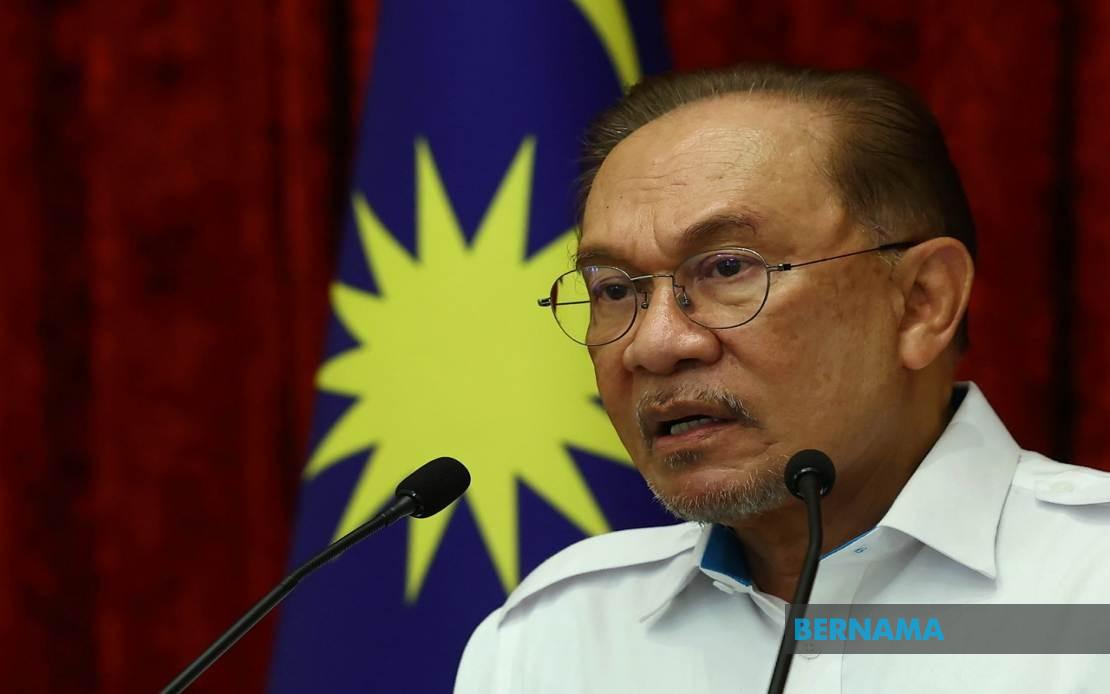
Prime Minister Datuk Seri Anwar Ibrahim was unable to attend a critical parliamentary session examining findings from the Royal Commission of Inquiry into the management of Tabung Haji, Malaysia's Islamic pilgrimage fund, as he continues his medical recovery following recent surgery. Through his senior press secretary Tunku Nashrul Abaidah, the Prime Minister conveyed his regrets over the absence and expressed confidence that parliament's proceedings would proceed without impediment, while pledging to maintain close oversight of the debate from his recovery location.
The Special Sitting of the Dewan Rakyat held in August represented a significant moment for public accountability, with lawmakers scheduled to discuss the RCI's comprehensive findings regarding the administration and financial management of Tabung Haji. The inquiry has been closely watched by the Malaysian Muslim community, given the fund's critical role in facilitating pilgrimages to Mecca and its substantial accumulated assets held in trust for millions of contributors nationwide.
Anwar's medical team confirmed that the Prime Minister had successfully undergone an elective laparoscopic surgical procedure to address a para-umbilical hernia, a minimally invasive intervention that typically requires a period of supervised recuperation. Laparoscopic techniques, which utilise small incisions and specialised instruments, generally permit faster recovery compared to traditional open surgery, though patients still require careful monitoring during the post-operative phase.
Tunku Nashrul elaborated that the Prime Minister's health trajectory showed positive indicators and that he was advancing through a structured physiotherapy programme administered by an assembled team of medical specialists. This medical supervision reflects the standard approach for patients of advanced age—Anwar had recently celebrated his 79th birthday—who undergo surgical procedures, particularly regarding prevention of complications and restoration of mobility.
The Prime Minister's commitment to tracking parliamentary proceedings remotely underscores the political sensitivity surrounding the Tabung Haji investigation. As Malaysia's chief executive and a prominent figure within the Muslim community, his expressed determination to safeguard institutional integrity signals that government attention remains concentrated on the matter, despite his physical absence from the legislative chamber. The sentiment carries particular weight given that Tabung Haji operates as a quasi-governmental body managing funds belonging to ordinary Malaysians undertaking one of Islam's Five Pillars.
Tabung Haji has experienced substantial scrutiny in recent years regarding its investment strategies, governance structures, and financial transparency. The Royal Commission of Inquiry was established to examine these matters comprehensively, and its findings hold implications not only for the fund's operational future but also for public confidence in how Malaysia's financial institutions safeguard citizen assets. Parliamentary debate on such conclusions represents an essential mechanism for legislative oversight and public discourse on institutional reform.
The timing of Anwar's recovery coinciding with the RCI debate discussion reflects the unpredictable nature of medical events in governance. While elective procedures can be scheduled, post-operative timelines remain variable, particularly when physiotherapy and specialist supervision form core components of the recovery protocol. The Prime Minister's decision to proceed with surgery despite parliamentary obligations demonstrates his prioritisation of personal health against broader governance responsibilities.
Public and institutional responses to Anwar's absence would naturally consider both the gravity of the Tabung Haji discussion and the legitimate medical circumstances preventing his attendance. His expressed intention to follow proceedings attentively from recovery settings attempted to balance these competing considerations, suggesting that despite physical absence, his engagement with the matter would continue through alternative channels.
The broader context for Malaysian governance involves managing transitions when senior leaders face temporary incapacity, whether through medical treatment or other circumstances. The Prime Minister's office provided regular updates regarding his condition, a practice that maintains public confidence in the continuity and transparency of leadership structures. Such communication becomes especially important when the head of government must temporarily step back from direct participation in major legislative proceedings.
For Southeast Asian observers, Malaysia's handling of this situation reflects institutional maturity in managing medical leave for senior officials while preserving operational governance. Unlike systems lacking clear succession protocols or transparency mechanisms, Malaysia demonstrated established procedures for communicating absences, maintaining continuity, and ensuring that parliamentary business proceeded despite the Prime Minister's unavailability. These mechanisms become increasingly significant as governments across the region grapple with ageing leadership cohorts and the logistical challenges of sustaining operations during medical events.
The Tabung Haji RCI debate itself carried weight extending beyond immediate governance questions. Public trust in Islamic financial institutions fundamentally depends on transparency and rigorous oversight. Parliamentary examination of inquiry findings, even in the Prime Minister's absence, reinforced that Malaysia's legislative branch functions independently to scrutinise executive-affiliated bodies and their management practices. Such institutional independence, demonstrated through continuation of scheduled debates regardless of executive attendance, strengthens rather than undermines faith in governance systems.

