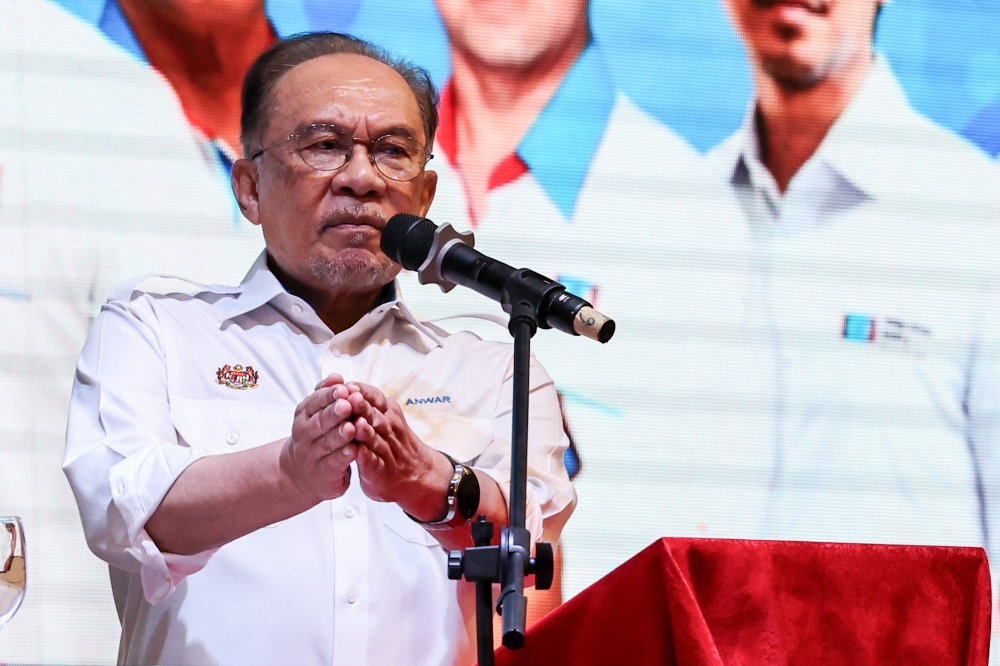
Prime Minister Datuk Seri Anwar Ibrahim has responded forcefully to findings by the Royal Commission of Inquiry into Tabung Haji, using colloquial language to describe the massive financial losses as straightforward siphoning of public funds. Speaking in Melaka on August 15, Anwar emphasised that when an organisation loses RM12 billion, the explanation cannot be dressed up as anything other than what it fundamentally is: theft of pilgrimage savings belonging to ordinary Malaysians.
The Prime Minister's blunt characterisation reflects growing frustration within government circles over the scale of mismanagement uncovered at the sovereign wealth fund that manages savings for Muslims undertaking the Hajj pilgrimage. The losses represent a significant portion of Tabung Haji's assets and have prompted serious questions about governance failures spanning multiple administrations. Anwar's choice of the word "sakau," a colloquial Malay term meaning to siphon or embezzle, signals his intention to frame the issue as criminal misconduct rather than mere administrative error or poor investment decisions.
The RCI investigation into Tabung Haji has become one of Malaysia's most significant financial accountability exercises in recent years. The commission's findings documented how funds intended to support millions of Muslim Malaysians preparing for the obligatory religious pilgrimage were depleted through questionable transactions, related-party dealings, and investments that lacked proper due diligence. For many Malaysians, their savings with Tabung Haji represent decades of accumulated deposits, making the alleged losses deeply personal and raising concerns about retirement security.
Anwar's public statements on the matter carry particular weight given his government's stated commitment to combating corruption and improving institutional transparency. Since taking office, the Prime Minister has prioritised accountability measures and has repeatedly pledged that no individual, regardless of status or political affiliation, would be protected from prosecution for financial crimes. His reaction to the RCI findings tests whether these commitments will translate into concrete action and whether the government can pursue accountability without the process becoming entangled in party politics.
The Tabung Haji situation also highlights broader concerns about the management of state-owned enterprises and sovereign funds across Southeast Asia. Malaysia's experience mirrors challenges faced by other regional economies in maintaining robust governance standards at institutions handling public money. The case demonstrates how institutional vulnerabilities can persist even within organisations with ostensibly sophisticated oversight structures, requiring constant vigilance and modernisation of regulatory frameworks.
For the millions of Malaysians with savings in Tabung Haji, the political response carries practical implications. Questions remain about whether the losses can be recovered, whether individual accounts will be fully protected, and what measures will prevent similar situations in future. The government faces pressure to articulate a clear recovery plan and to establish whether insurance or compensation mechanisms exist to shield depositors from permanent losses. These are not merely technical questions but matters affecting the financial security of ordinary families.
The timing of Anwar's comments also carries significance within Malaysia's political landscape. By publicly characterising the losses as criminal misconduct rather than mismanagement, the Prime Minister is establishing a clear moral and legal framework for subsequent action. This positioning creates expectations that prosecutorial authorities will pursue investigations with vigour, though such expectations must be balanced against the reality that proving criminal intent and securing convictions in complex financial cases requires careful preparation and gathering of detailed evidence.
Tabung Haji has long occupied a unique position in Malaysia's institutional ecosystem, combining religious significance, social function, and financial operations. The organisation manages not merely investment portfolios but sacred trust from the Muslim community. This cultural and spiritual dimension adds weight to demands for accountability and makes governance failures at the institution particularly damaging to public confidence in state institutions more broadly. Rebuild public trust requires not only accountability but also demonstrable improvements to governance and investment oversight systems.
The RCI findings will likely prompt regulatory reviews across Malaysia's financial sector, particularly regarding how sovereign funds and religious institutions managing public money are supervised. Policymakers will need to examine whether existing regulatory frameworks adequately capture risks at state-owned entities and whether oversight bodies possess sufficient independence and resources to identify and prevent misconduct. These are longer-term institutional reforms that transcend the immediate crisis at Tabung Haji.
Moving forward, Anwar's strong language suggests the government will pursue both individual accountability and systemic reforms. However, the effectiveness of any response will be measured not by rhetoric but by tangible outcomes: successful prosecutions, recovered funds, improved governance, and restored confidence among the millions of Malaysians who have entrusted their Hajj savings to the institution. The challenge facing the government is substantial, but so too is the obligation to deliver justice for those whose savings have been compromised.

