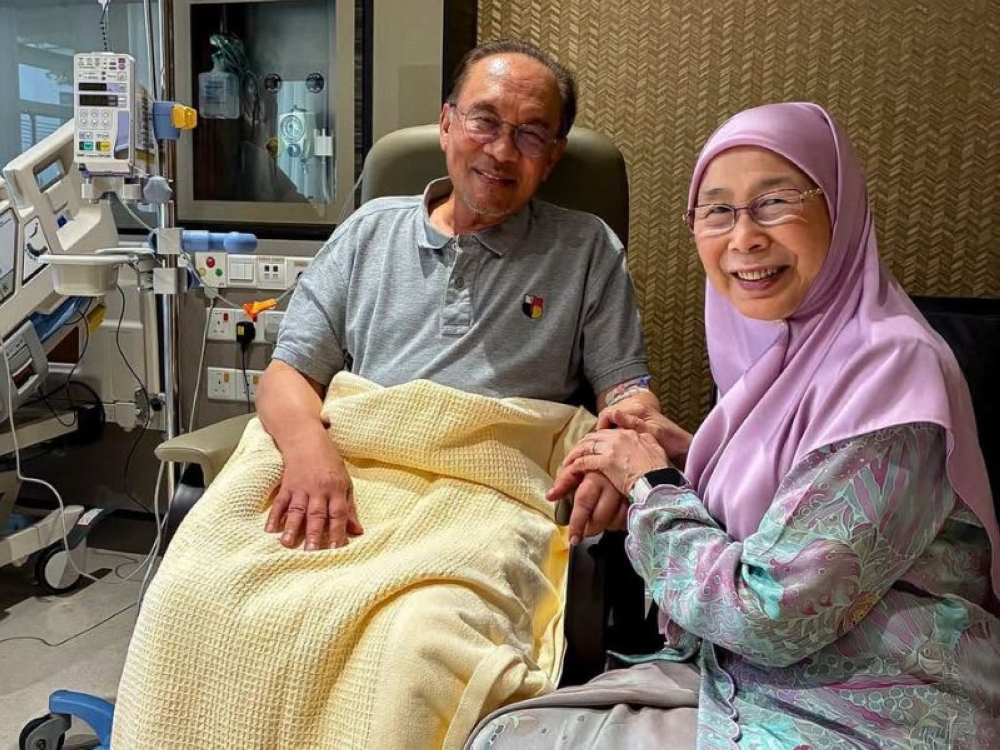
Prime Minister Datuk Seri Anwar Ibrahim is expected to return home today after undergoing hernia surgery, with his wife Datin Seri Dr Wan Azizah Wan Ismail confirming the anticipated discharge date. The surgical intervention, performed to address the hernia condition, proceeded smoothly according to reports from the Prime Minister's office and family members who have maintained regular communication with the medical team overseeing his care at the hospital.
The timing of the PM's hospitalisation reflects the demands on Malaysia's highest political office, with the government continuing regular operations during his medical absence. Datuk Seri Anwar's team has ensured continuity in governance, with ministerial portfolios maintaining their responsibilities and cabinet functions proceeding as scheduled despite the Prime Minister's temporary unavailability for certain in-person engagements.
Hernia repair constitutes a common surgical procedure, though one that requires careful post-operative management and recovery, particularly for individuals in demanding positions requiring sustained physical activity and extended working hours. The Prime Minister's medical team would have conducted thorough pre-operative assessments to determine the optimal timing for intervention, balancing the need to address the condition against maintaining governmental stability during the recovery period.
The disclosure of Datuk Seri Anwar's health matter reflects the standard practice of transparency regarding the health status of senior government officials, a principle increasingly recognised as important for public confidence in institutional continuity and leadership stability. Malaysian citizens and international observers alike monitor the health and availability of key political figures, as their well-being directly impacts decision-making capacity and the nation's ability to respond to emerging challenges in economic policy, regional diplomacy, and domestic governance.
Datin Seri Dr Wan Azizah's role in communicating the Prime Minister's medical progress underscores the importance of family support systems during significant health events. As a former Deputy Prime Minister and prominent political figure in her own right, she maintains substantial public presence and credibility, making her statements regarding her husband's condition particularly authoritative for reassuring the public and stakeholders about the continuity of leadership.
The discharge process involves comprehensive discharge protocols, including detailed instructions for post-operative care, medication management, and activity restrictions during the initial recovery phase. The medical team typically provides written guidance on wound care, dietary recommendations, and physical activity limitations to optimise healing and minimise complications during the critical early recovery period following surgical intervention.
Return to full ministerial duties following hernia surgery typically requires a phased approach, with the Prime Minister potentially handling urgent matters remotely or delegating certain functions initially while recovering physical stamina and ensuring the surgical site heals properly. This measured approach maintains governmental effectiveness while prioritising the PM's recovery and preventing complications that could extend the recovery timeline or necessitate additional intervention.
For Malaysia's political landscape, the swift recovery and discharge reflect confidence in both the medical facilities available domestically and the surgical expertise of the healthcare professionals involved in the procedure. The nation's healthcare infrastructure, particularly tertiary-level facilities capable of managing complex cases, demonstrates the quality of medical services accessible to senior government officials and the broader population.
The incident also highlights the reality that high-ranking political figures remain subject to the same health challenges as ordinary citizens, though they benefit from immediate access to premier medical facilities and specialists. This humanising aspect of political leadership can resonate with the public, who understand that governance continues regardless of personal health challenges and that institutional frameworks exist to maintain stability during temporary absences of key officials.
Looking ahead, Datuk Seri Anwar's full recovery and resumption of complete duties will likely proceed over several weeks as he follows medical guidance and gradually increases activity levels. The Prime Minister's office will coordinate his schedule to accommodate recovery requirements while maintaining engagement with crucial governmental matters, balancing health priorities against national responsibilities during the transitional period back to full operational capacity.

