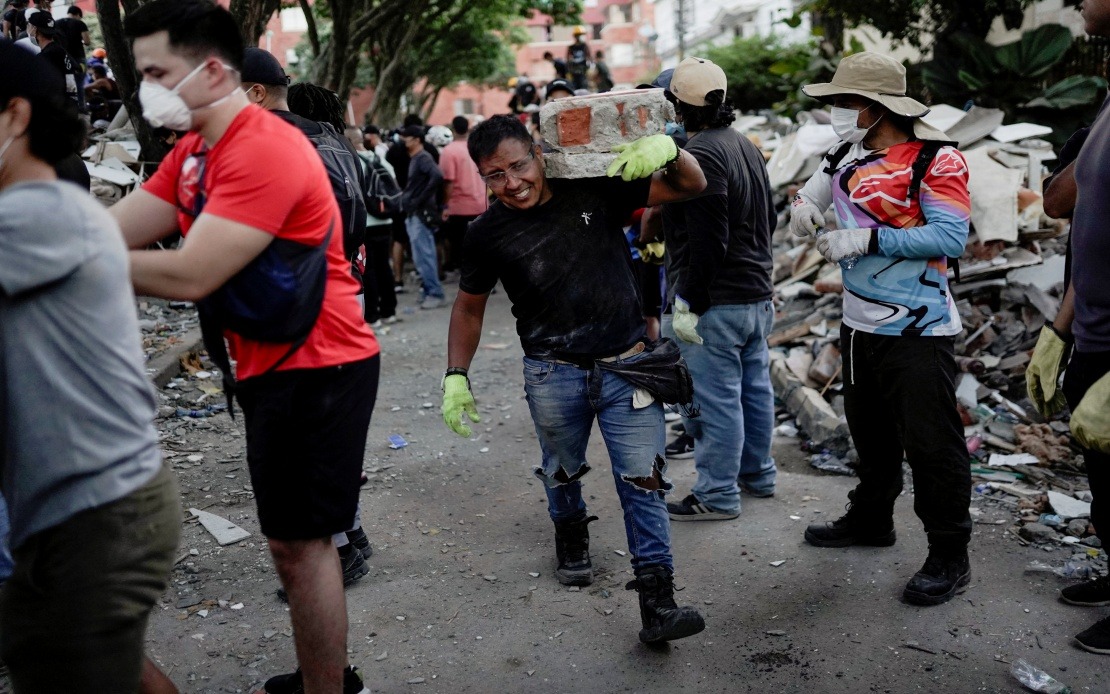
Prime Minister Datuk Seri Anwar Ibrahim has expressed Malaysia's heartfelt condolences to the Colombian people following a devastating earthquake that struck the South American nation's western region on Monday, leaving more than 100 people dead and causing widespread destruction across several municipalities. Through a Facebook statement, the Malaysian leader articulated the Government and people of Malaysia's solidarity with Colombia during this natural disaster crisis, acknowledging the scale and severity of what has been described as the most powerful seismic event to affect the country in recent decades.
The 7.4-magnitude earthquake, which was centred in the Chocó region, caused significant structural damage and loss of life across western Colombia's major urban centres. The affected areas included the cities of Cali, Pereira, and Manizales, where rescue and recovery operations have been mobilised to locate survivors and provide humanitarian assistance to displaced residents. The seismic activity has been followed by continuing aftershocks, complicating rescue efforts and posing ongoing safety risks to survivors and emergency responders working in damaged areas.
Anwar's diplomatic gesture reflects Malaysia's commitment to engaging with the international community during humanitarian crises. His public acknowledgment of Colombia's suffering demonstrates the nation's broader foreign policy approach, which emphasises multilateral cooperation and mutual support among nations facing natural disasters. Such expressions of solidarity are particularly significant in the context of Southeast Asian countries' own vulnerability to seismic and weather-related calamities, making disaster response and international cooperation matters of considerable strategic importance to the region.
The Prime Minister specifically paid tribute to the courage and dedication of rescue workers and volunteers who have been conducting search and rescue operations despite the hazardous conditions created by ongoing seismic aftershocks. These emergency personnel represent the frontline of disaster response, working tirelessly to identify survivors beneath collapsed structures and provide immediate medical attention to the injured. Anwar's recognition of their efforts underscores Malaysia's appreciation for the professionalism and humanitarian commitment demonstrated by first responders in crisis situations.
Malaysia's response to the Colombian earthquake reflects broader patterns of diplomatic engagement whereby nations extend support to affected countries through official statements and expressions of solidarity. Such communications serve multiple purposes, including demonstrating humanitarian concern, reinforcing bilateral relationships, and affirming commitment to international humanitarian principles. For Malaysia, which has experienced its own natural disasters and understands the complexity of post-disaster recovery, such expressions carry particular resonance and authenticity.
The earthquake's impact on Colombia's infrastructure and economy will likely require extensive reconstruction efforts and international assistance. The extensive damage across multiple urban centres suggests that recovery will be a long-term undertaking involving coordination between Colombian authorities, international aid organisations, and foreign governments. Malaysia's expression of support positions the nation as a participant in the global community's collective response to the disaster, potentially opening avenues for technical cooperation or humanitarian assistance sharing based on Malaysian experience with disaster management.
The timing of natural disasters such as this earthquake underscores the unpredictable nature of geological hazards and the importance of maintaining robust emergency preparedness systems. For Southeast Asian nations, including Malaysia, the Colombian earthquake serves as a reminder of the region's own seismic and meteorological risks, particularly in areas prone to earthquakes, floods, and typhoons. The lessons learned from international disaster responses contribute to the continuous improvement of regional disaster management frameworks and early warning systems.
International solidarity in the aftermath of natural disasters extends beyond symbolic gestures to encompass practical cooperation in areas such as medical expertise, search and rescue technology, and rebuilding assistance. By positioning Malaysia within the international community's response to Colombia's crisis, Anwar's statement signals openness to engagement with Colombian counterparts on disaster management issues. This approach aligns with Malaysia's participation in international forums addressing climate change, disaster resilience, and humanitarian cooperation.
The Colombian earthquake also highlights the vulnerability of urban centres in seismically active regions, where population density can amplify the human cost of natural disasters. Cities such as Cali, with populations in the millions, face particular challenges in emergency evacuation and post-disaster response. Malaysia's own experience managing urban vulnerabilities in regions prone to natural hazards provides a foundation for potential technical exchanges with Colombian authorities regarding urban resilience and disaster mitigation strategies.
As Colombia enters the recovery phase, international attention and support will play crucial roles in accelerating rebuilding efforts and restoring critical infrastructure. Malaysia's official acknowledgment of the disaster and expression of solidarity contribute to maintaining global awareness of Colombia's situation during what will inevitably be a lengthy reconstruction process. The Prime Minister's statement also reinforces Malaysia's identity as a responsible member of the international community, committed to engaging with other nations during periods of crisis and vulnerability.

