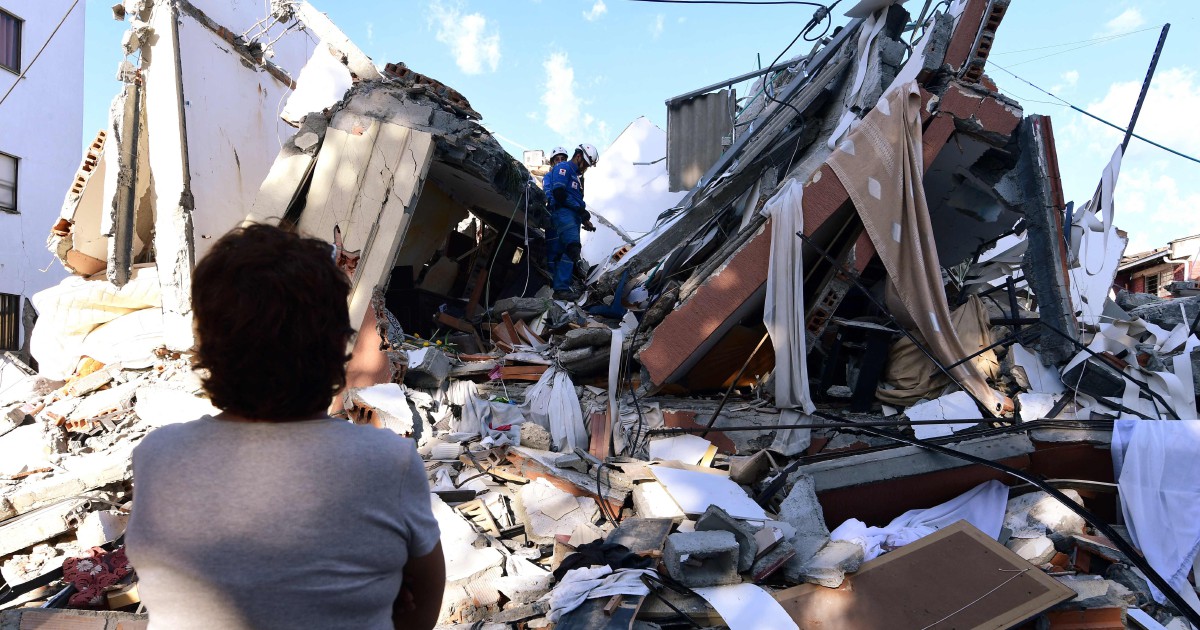
Prime Minister Datuk Seri Anwar Ibrahim has conveyed his sympathies to Colombia's government and the families of those affected by a powerful earthquake that ravaged the nation's western territories. The natural disaster, which struck yesterday, has caused considerable loss of life and widespread devastation across the impacted regions, prompting international expressions of support for the South American nation.
Anwar's message of condolence reflects Malaysia's commitment to demonstrating solidarity with countries facing humanitarian crises, regardless of geographical distance. Such diplomatic gestures underscore the importance of international cooperation and mutual support during times of natural calamity, when nations must unite to assist affected populations.
Earthquakes in the Pacific Ring of Fire, where Colombia is located, pose recurring challenges to the region's safety infrastructure and emergency response systems. The western part of Colombia, which has historically experienced seismic activity due to its position along tectonic fault lines, remains vulnerable to sudden geological shifts that can cause significant damage to buildings, infrastructure, and loss of human life.
The timing and scale of natural disasters often determine the extent of international diplomatic engagement. When earthquakes strike with substantial destructive force, they trigger immediate humanitarian concern from the global community, with nations offering both public sympathy and, in many cases, material assistance through aid organizations and development partners.
For Malaysian readers, Colombia's earthquake serves as a reminder that seismic events remain a serious threat in vulnerable regions worldwide. While Malaysia itself is situated in a relatively stable seismic zone compared to countries along major fault lines, the nation has experience with earthquake-related challenges, particularly through its awareness of regional geological patterns and international disaster management protocols.
The condolence message from Kuala Lumpur demonstrates Malaysia's active participation in the international diplomatic community, where acknowledgement of human suffering crosses cultural, religious, and geographical boundaries. This diplomatic engagement reflects the principles of the United Nations and various international humanitarian frameworks that emphasize collective responsibility toward affected nations.
Colombia's recovery from such disasters typically involves substantial reconstruction efforts, international aid coordination, and long-term support from development institutions. The immediate aftermath of earthquakes requires emergency rescue operations, medical assistance, and temporary shelter provisions, while reconstruction can take years and demands significant financial resources.
The relationship between Malaysia and Colombia, though not as prominent in regional headlines as Southeast Asian partnerships, represents part of the broader network of bilateral ties that characterize modern international relations. Such expressions of sympathy, though often brief, serve to maintain diplomatic goodwill and recognition of shared humanity across diverse nations.
For the international community, including Southeast Asian nations, earthquake disasters in distant regions underscore the importance of robust disaster preparedness and response mechanisms. Many developing nations, including those in the region, benefit from knowledge-sharing and technical cooperation regarding earthquake mitigation, early warning systems, and emergency management protocols that could potentially save lives.
The scale of Colombia's disaster will likely determine whether Malaysia considers providing material assistance through established humanitarian channels. International aid, whether financial contributions, medical supplies, or technical expertise, often follows formal expressions of condolence when circumstances warrant substantial support.
Anwar's message forms part of Malaysia's broader engagement with the Latin American region, where economic interests and cultural exchanges have gradually expanded in recent years. Colombian coffee, cultural exports, and growing bilateral trade discussions have placed the nation increasingly on Malaysia's diplomatic radar.
As details of the earthquake's full impact emerge in coming days, the international response will likely evolve accordingly. Malaysia's position as a stable Southeast Asian nation with growing global influence positions it to contribute meaningfully to international relief efforts when appropriate, reinforcing its standing in multilateral forums and humanitarian initiatives.

