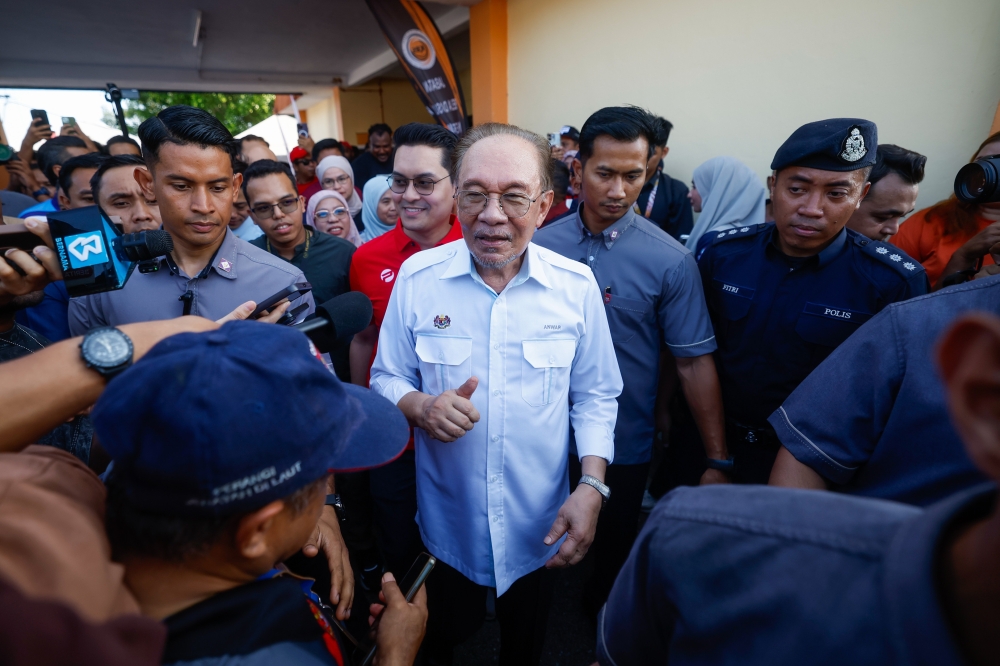
Prime Minister Datuk Seri Anwar Ibrahim has completed an elective laparoscopic surgical procedure as planned, with his medical team confirming the operation proceeded without complications. The procedure, conducted in Kuala Lumpur, marks a significant health development for Malaysia's sitting prime minister, prompting careful observation by attending physicians during the recovery phase. Medical professionals have put in place rigorous monitoring arrangements to track his condition and ensure optimal healing in the coming weeks.
The nature of the elective surgery underscores a proactive approach to healthcare management at the highest level of government. Unlike emergency interventions, elective procedures are scheduled in advance and allow comprehensive medical planning. This forward-thinking stance reflects modern best practices in preventive health management, even for those holding the nation's highest office. The decision to proceed with the surgery while in position demonstrates confidence from both the prime minister and his medical advisors regarding the expected recovery trajectory and the availability of necessary support systems.
Governance continuity during the prime minister's recovery period has been carefully considered within the government's administrative framework. Malaysia's institutional structures, refined through years of constitutional practice, provide mechanisms to ensure executive functions continue seamlessly during periods when the head of government requires medical attention. This institutional resilience remains a cornerstone of stable democratic governance in Southeast Asia, particularly important given Malaysia's complex political landscape and the need for uninterrupted policy implementation.
The medical team's decision to implement strict observation protocols reflects international standards for post-operative care. Laparoscopic surgery, a minimally invasive technique using small incisions and specialized instruments, typically allows for faster recovery compared to traditional open surgery. However, comprehensive monitoring remains essential during the immediate post-operative period to identify any unforeseen complications and optimize the healing process. The attending physicians have established clear benchmarks and timelines for recovery milestones.
Public transparency regarding the prime minister's health status carries significant weight in maintaining public confidence and political stability. Democratic societies benefit when leadership is forthright about medical matters affecting their ability to discharge official duties. The confirmation of successful surgery and structured recovery monitoring provides clarity to Malaysian citizens and international observers alike about the continuity of executive authority and the government's operational capacity during this period.
The timing of the elective procedure may have strategic implications for government scheduling and policy initiatives. Major legislation, cabinet meetings, and diplomatic engagements are typically coordinated with the prime minister's availability and capacity. The government's commitment to these monitoring protocols suggests a realistic assessment of recovery timelines and a determination to maintain momentum on critical national agenda items. This balancing act between personal health requirements and national responsibilities exemplifies the unique pressures facing heads of government.
Political observers note that health incidents involving sitting leaders can trigger speculative discussions about succession planning and ministerial authority. In Malaysia's context, such matters carry particular resonance given the nation's experience with leadership transitions and coalition dynamics. The clear medical confirmation of successful surgery and the establishment of transparent monitoring protocols serve to minimize uncertainty and reassure both coalition partners and opposition groups about the stability of the current administration.
The broader healthcare implications merit consideration for Malaysia's medical system more widely. The successful execution of complex elective surgery demonstrates the capabilities of Malaysia's surgical infrastructure and skilled medical professionals. The country's healthcare system, combining public and private sector excellence, has earned regional recognition for delivering advanced surgical interventions safely and effectively. This case adds to Malaysia's record of medical competence at all levels of health provision.
International precedent for leaders undergoing elective surgery during office illustrates that such procedures need not disrupt effective governance. Numerous democratic leaders worldwide have managed similar health situations while maintaining full executive authority, provided appropriate protocols and support structures are in place. The situation reinforces that modern medical care enables continued effective leadership even when health maintenance becomes necessary during a political tenure.
The recovery period will likely involve gradual resumption of the prime minister's public-facing duties alongside ongoing medical assessment. Senior government officials will continue managing routine matters while ensuring the prime minister has adequate time for recuperation. This phased return to full activity represents standard medical practice and reflects careful coordination between the prime minister's office, medical team, and relevant government departments.
Looking ahead, the successful completion of this elective procedure establishes a framework for addressing any future health matters with similar transparency and medical rigor. The public confirmation of successful surgery and commitment to strict monitoring demonstrate institutional confidence and procedural maturity. For Malaysia's political system and its international standing, clear evidence of effective governance continuity during the prime minister's recovery period reinforces the country's stability and the resilience of its democratic institutions.

