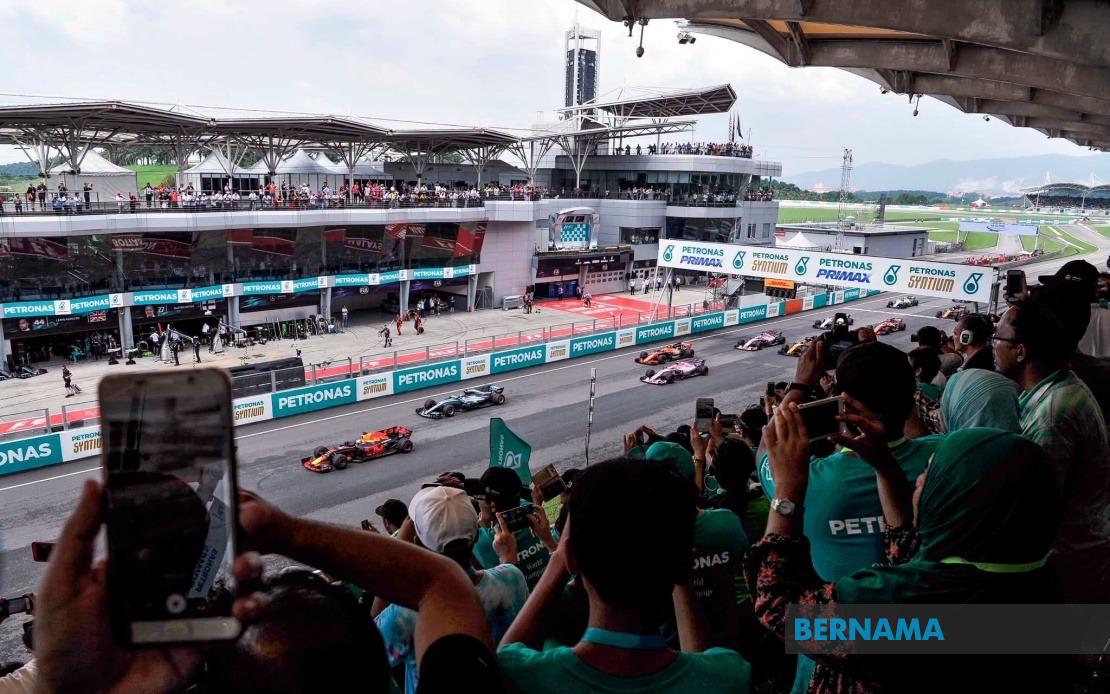
Prime Minister Datuk Seri Anwar Ibrahim has unveiled a ticketing initiative aimed at bringing Formula 1 racing within reach of ordinary Malaysians, announcing MADANI Tickets priced from as low as RM200 for holders of the Malaysian identity card. The subsidised tickets provide access to the entire three-day Gulf Air Bahrain Grand Prix event scheduled for October 2-4, 2026, at the Sepang International Circuit, representing a significant step towards democratising access to one of motorsport's most prestigious competitions.
The announcement emerged following weeks of governmental deliberation and successful negotiations between Malaysian and Bahraini authorities. Anwar conveyed the decision through a Facebook post, emphasising the government's commitment to enabling more citizens to experience the pinnacle of motorsport. The initiative reflects broader policy objectives to make major sporting events accessible beyond elite circles, a consideration that gained particular urgency as discussions progressed regarding the circuit's hosting arrangements.
Sepang International Circuit will oversee distribution and further particulars regarding the MADANI Ticket programme, with additional details anticipated in the coming weeks. The scheme targets MyKad holders exclusively, aligning with the government's preference to prioritise Malaysian citizens. This targeting mechanism ensures that subsidies reach intended beneficiaries whilst maintaining administrative clarity around eligibility criteria.
The return of Formula 1 to Malaysia carries symbolic significance in the nation's sporting landscape. Sepang hosted the Malaysian Grand Prix consecutively from 1999 through 2017, a nineteen-year tenure that established the circuit as a major Asian motorsport venue. The race was ultimately withdrawn from the F1 calendar owing to escalating hosting expenses and licensing fee structures that the promoters deemed unsustainable under prevailing economic conditions. A nine-year hiatus followed, during which the circuit hosted various international racing championships but lacked the glamour and global profile associated with Formula 1.
The 2026 Bahrain Grand Prix represents a distinctive collaboration, with the internationally recognised Bahrain Grand Prix relocating from its conventional venue at the Bahrain International Circuit in the Gulf kingdom to Malaysia for this singular occasion. This arrangement emerged partly due to geopolitical considerations affecting the Middle Eastern region, with the original April schedule proving impracticable. By repositioning the event to October and shifting its venue westward to Southeast Asia, the Formula 1 World Championship and the Fédération Internationale de l'Automobile secured alternative hosting arrangements whilst maintaining competitive calendar integrity.
For Malaysian motorsport enthusiasts and casual observers alike, the subsidised ticket pricing fundamentally alters accessibility economics. Premium Grand Prix experiences ordinarily command substantially higher prices at international circuits, with general admission typically exceeding several hundred ringgit at minimum. The RM200 entry point, particularly for three-day festival pass arrangements, represents an exceptional commercial proposition that widens the constituency of potential attendees beyond traditional F1 audiences comprised predominantly of affluent spectators.
The initiative holds broader implications for Malaysia's positioning within regional sporting infrastructure. Establishing the nation as a credible, cost-competitive venue for globally significant sporting spectacles supports long-term tourism and infrastructure development objectives. Major events generate multiplier effects throughout accommodation, hospitality, transport, and retail sectors, benefiting regional economies extending considerably beyond the circuit gates. The 2026 event thus constitutes investment in Malaysia's event-hosting capability and competitive standing against rival regional venues.
From a diplomatic standpoint, the Malaysia-Bahrain arrangement demonstrates practical cooperation on sporting matters despite regional complexities. The partnership reflects mutual recognition that international sporting events transcend geographical and political boundaries when structured around shared commercial and competitive interests. Successfully hosting a globally televised Grand Prix elevates Malaysian hosting credentials whilst showcasing the nation's capacity to deliver world-class event management and infrastructure standards.
The affordability component merits particular examination within Malaysian economic contexts. Whilst RM200 remains substantial for lower-income households, the pricing deliberately avoids prohibitive levels that would exclude working-class Malaysians entirely. This calibration suggests governmental understanding that sporting event accessibility functions as both equity consideration and soft power initiative, fostering national pride and inclusive participation in signature global competitions.
Operational planning for October 2026 necessarily commences immediately, encompassing circuit renovation, security arrangements, hospitality infrastructure, and ticketing systems capable of managing anticipated demand surges. Sepang's previous Formula 1 experience furnishes institutional knowledge and established relationships with international motorsport governance bodies, facilitating smoother implementation compared to venues entirely unfamiliar with championship-level protocols.
The announcement also reflects shifting attitudes towards public sporting investment in Malaysia. Rather than exclusively premium-priced ticketing models that concentrate attendance amongst elite demographics, the government has embraced inclusive pricing that emphasises widespread participation and national engagement. This orientation potentially influences future major event hosting decisions, signalling commitment to structuring sporting occasions around accessible, broadly representative attendance rather than exclusionary consumption models.
As further particulars emerge through official Sepang International Circuit communications, Malaysian citizens anticipating the 2026 Bahrain Grand Prix will have clearer visibility regarding ticket acquisition procedures, pricing tiers, and access entitlements. The MADANI Ticket programme represents a meaningful gesture toward democratising Formula 1 viewership and ensuring that Malaysia's return to the global motorsport calendar benefits diverse population segments rather than narrow privileged constituencies.

