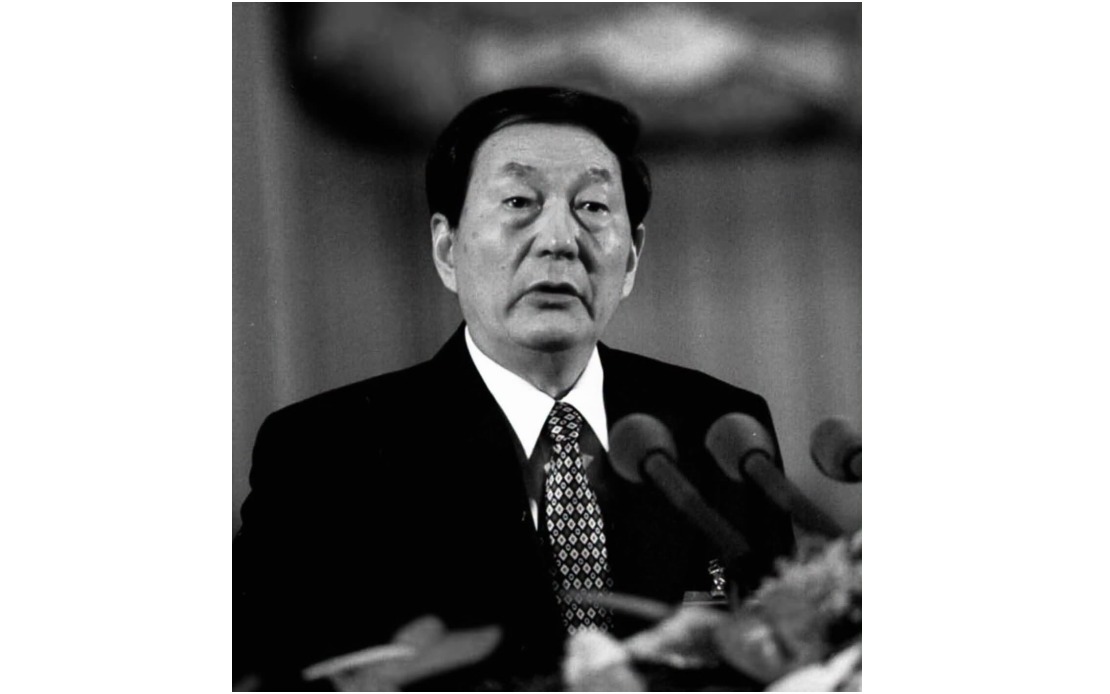
Prime Minister Datuk Seri Anwar Ibrahim has paid tribute to former Chinese Premier Zhu Rongji, who passed away at the age of 97, describing him as one of the most consequential architects of modern China's economic emergence. In a Facebook post on August 12, Anwar extended his condolences to Zhu's family whilst reflecting on the late statesman's transformative influence on global economics and his personal relationship with the Malaysian leader.
Zhu's tenure as China's Premier between 1998 and 2003 proved pivotal in reshaping the world's most populous nation into an economic powerhouse. During his five years in office, he orchestrated sweeping market-oriented reforms that fundamentally altered how China's state-owned enterprises operated, introducing competitive mechanisms that would catalyse decades of sustained growth. His most enduring legacy perhaps lies in navigating China's entry into the World Trade Organisation, a landmark achievement that opened global markets to Chinese goods and services whilst binding Beijing into the international economic system.
Anwar's tribute carries particular weight given his own direct collaboration with Zhu during the pivotal 1990s, a decade when Malaysia and China were actively recalibrating their economic partnership. The Prime Minister recalled working alongside the former Chinese Premier to strengthen financial and commercial linkages between the two nations, establishing frameworks and relationships that have proven remarkably durable. This foundational work from three decades ago continues to shape how Malaysia and China interact commercially, with many institutional arrangements and business networks traceable to initiatives conceived during that era of cooperation.
Beyond the realm of statecraft and economics, Anwar's remarks reveal the depth of personal connection he shared with Zhu. The Malaysian leader reminisced about cultural journeys they undertook together, including visits to Confucius' ancestral village and Tai Shan, one of China's most sacred mountains. These excursions underscore how bilateral relationships at the highest levels often transcend formal diplomacy, with leaders developing genuine personal bonds that humanise international relations. Anwar also recalled a particularly touching moment when Zhu invited him to his personal library and presented him with carefully selected classical Chinese texts, a gesture reflecting Zhu's intellectual sophistication and his desire to share Chinese civilisational heritage with a trusted colleague.
For Southeast Asian observers, Zhu Rongji's passing represents the departure of a figure who understood the region's economic importance to China's development trajectory. His era witnessed the beginning of Beijing's strategic engagement with ASEAN economies, setting patterns of trade, investment, and diplomatic cooperation that would intensify in subsequent decades. Malaysia, as a significant regional economy and a bridge between the Islamic world and China, benefited considerably from the institutional frameworks Zhu helped establish during his premiership.
The economic reforms championed by Zhu reflected a pragmatic approach to socialist economics that contrasted sharply with earlier ideological rigidity. His willingness to embrace market mechanisms whilst maintaining state control over strategic sectors created a hybrid model that proved extraordinarily successful in generating growth and employment. This balancing act required considerable political skill and intellectual flexibility, qualities Anwar identified as central to Zhu's character and effectiveness.
Zhu's role in WTO accession deserves particular emphasis for Malaysian audiences, as this decision fundamentally reshaped global trade patterns. By integrating China into the rules-based international trading system, Zhu created both opportunities and competitive pressures that continue to reverberate through Southeast Asian economies. Malaysian manufacturers, traders, and investors have had to adapt repeatedly to China's evolving position in global value chains, a process set in motion during Zhu's tenure.
Anwar's characterisation of Zhu as driven by an unwavering sense of duty to his nation provides insight into how the Prime Minister himself views the obligations of leadership. The tribute suggests that Anwar recognises in Zhu's legacy a model of stewardship focused on long-term national benefit rather than short-term political convenience. This perspective carries relevance for Malaysia's own policy debates, as the country continues navigating complex economic challenges requiring sustained commitment to structural reform.
The passing of Zhu Rongji marks the end of an era in Chinese politics when a cadre of technocratic reformers wielded considerable influence over Beijing's trajectory. Subsequent generations of Chinese leaders have pursued more centralised decision-making, making Zhu's collaborative approach to economic governance feel increasingly distinctive. For regional leaders like Anwar who worked with that generation, the loss carries personal and professional dimensions that extend beyond ceremonial condolence.
Zhu's contributions to China's economic architecture remain visible across the region through infrastructure projects, manufacturing investments, and financial flows that trace their origins to the framework he established. Malaysian policymakers continue to engage with institutional arrangements rooted in cooperation patterns Zhu helped pioneer, making his influence on regional economics more than historical curiosity. The memorial statements from regional leaders reflect recognition that Zhu's decisions decades ago continue shaping opportunities and challenges for contemporary Southeast Asian nations.

