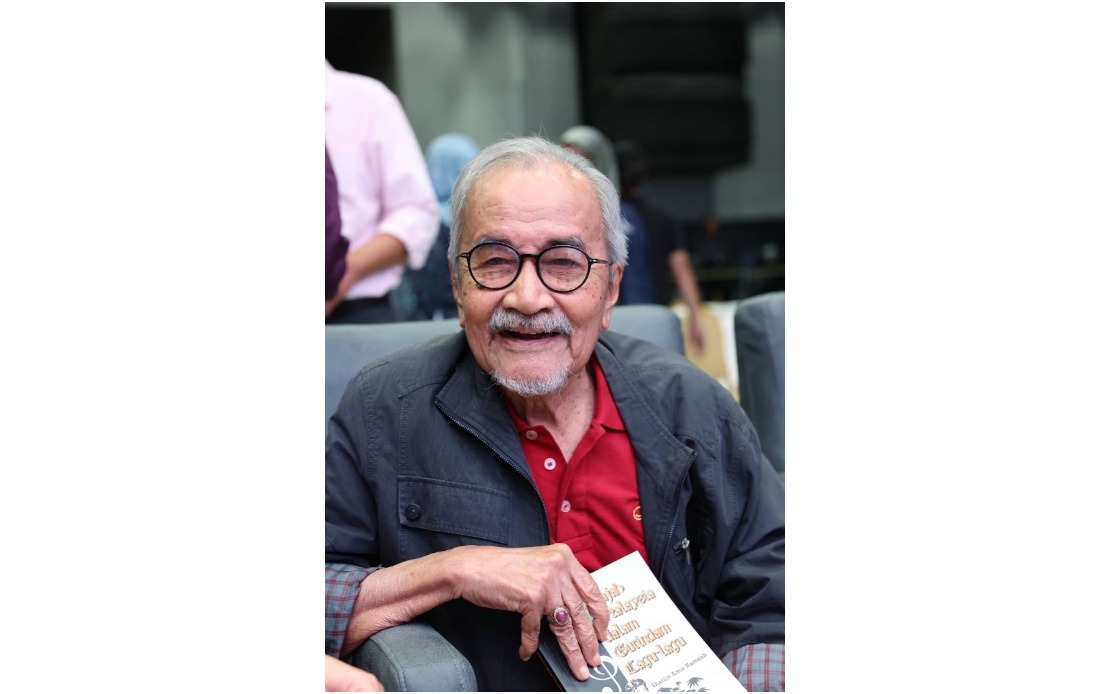
Prime Minister Datuk Seri Anwar Ibrahim marked the 87th birthday of Datuk Rahim Razali with a public tribute, acknowledging the veteran filmmaker's profound influence on Malaysia's cultural landscape. The birthday greeting, shared via social media on July 5, underscores the government's continued recognition of senior creative figures who have shaped the nation's artistic identity over decades.
Anwar characterised Rahim as an instrumental force in developing Malaysia's local arts ecosystem, having contributed significantly through productions that authentically reflect human values, cultural heritage, and national pride. The Prime Minister's recognition comes at a time when Malaysian policymakers increasingly emphasise the importance of preserving and promoting homegrown creative talent as a cornerstone of national soft power. By publicly honouring a figure of Rahim's stature, Anwar's gesture signals government support for the creative industries as essential to Malaysia's cultural diplomacy.
Born on July 3, 1939, in Batu Gajah, Perak, Rahim Razali has spent more than six decades working across multiple disciplines within the entertainment and media sectors. His career trajectory illustrates the versatility once common among Malaysian creative professionals, spanning acting, directing, scriptwriting, sports journalism, and broadcasting. This multifaceted approach to the arts represents a particular era of Malaysian cultural production when individual artists often mastered several complementary crafts.
Throughout his extensive career, Rahim has both directed and performed in numerous films that have become benchmarks in Malaysian cinema. His body of work has garnered significant industry recognition, including multiple awards at the Malaysian Film Festival, among them Best Director and Best Male Actor honours. These accolades reflect peer acknowledgment of his contributions during a formative period for Malaysian film when the industry was establishing its creative and technical standards.
Among his notable works is Matinya Seorang Patriot, a film that exemplifies the kind of culturally conscious production for which Rahim became known. Such projects typically explored themes of nationalism, identity, and social responsibility, resonating with audiences seeking authentic Malaysian narratives during periods of national development and consolidation.
Anwar's prayer that Rahim continue to enjoy good health and longevity, coupled with his expression of confidence in the enduring influence of his works, reflects a broader appreciation for legacy artists whose contributions extend beyond their lifetimes. The Prime Minister's comments suggest recognition that Rahim's films and performances continue to educate and inspire successive generations of Malaysian artists and cultural consumers.
The public acknowledgment also carries implicit messaging about governmental values regarding arts and culture. At a time when creative industries compete for funding and policy attention alongside sectors like technology and manufacturing, high-level political recognition of senior artists can reinforce their societal importance. This is particularly relevant for Malaysia, where the creative economy represents an increasingly significant contributor to GDP and employment, yet sometimes receives less policy emphasis than more established sectors.
Rahim's career trajectory offers valuable perspective on the evolution of Malaysian cinema and broadcasting over six decades. His work predates the digital era and spans the transition from film to television to contemporary media platforms. This historical sweep makes him a living repository of knowledge about how Malaysian cultural production has adapted and transformed, a role that extends beyond his direct artistic contributions.
The birthday tribute also reflects a broader Malaysian cultural practice of publicly honouring elders, particularly those with distinguished service records. In this context, Anwar's message functions both as personal respect and as a statement about institutional memory and the value placed on long-term contributions to national development.
For Malaysia's cultural sector, Rahim's continued recognition by political leadership suggests ongoing government interest in celebrating domestic artistic achievement and encouraging younger creatives to pursue similar trajectories of sustained excellence. The acknowledgment of his influence on future generations indicates awareness that contemporary artists draw inspiration from established figures like Rahim, creating a connective thread across different eras of Malaysian cultural production.

