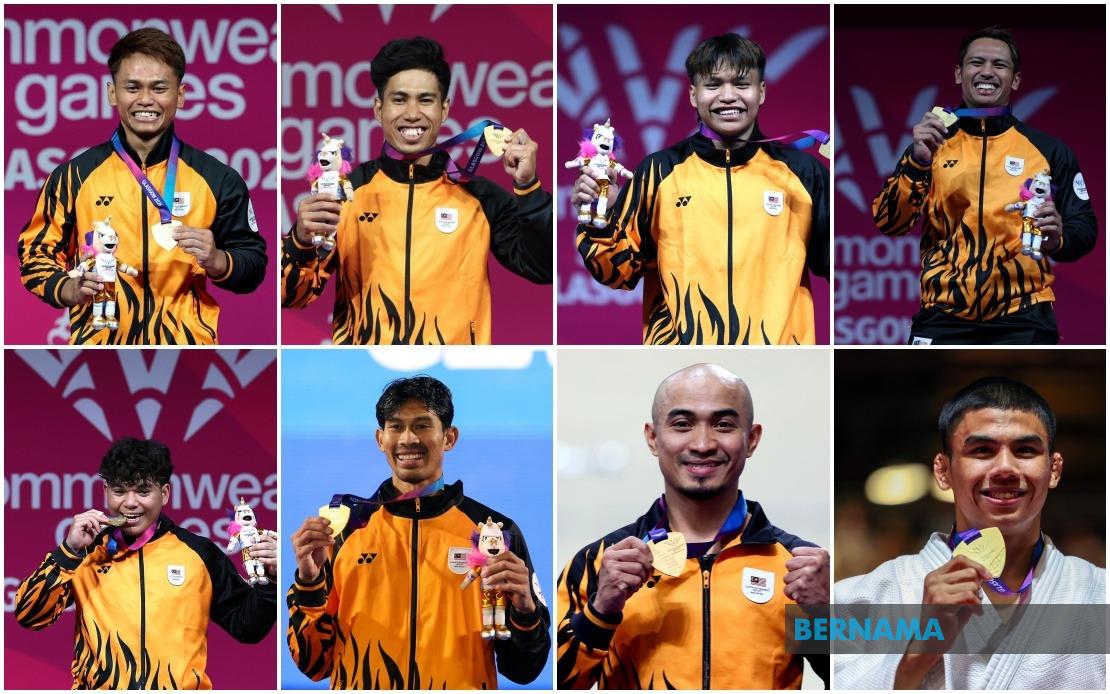
Prime Minister Datuk Seri Anwar Ibrahim has extended his congratulations to Malaysia's entire contingent at the 2026 Glasgow Commonwealth Games, recognising their commitment and exceptional performances across the sporting arena. In remarks posted to social media on Wednesday evening, the premier acknowledged the determination displayed by the national team throughout the competition held in Scotland.
Beyond the athletes themselves, Anwar also expressed gratitude toward the extensive support network that enabled Malaysia's participation. He specifically mentioned the dedication of coaching staff, administrative officials, and supplementary personnel who worked behind the scenes to facilitate the team's preparations and competition efforts. This recognition underscores the reality that international sporting success depends heavily on collaborative efforts extending well beyond the competition venues themselves.
The Prime Minister's message additionally highlighted the role played by Malaysian citizens in supporting their athletes, noting that prayers and well-wishes from the broader population contributed to the team's morale and determination. Such public backing reflects the cultural significance of sporting achievement within Malaysian society, where national teams often serve as sources of pride and unity across diverse communities.
Malaysia concluded its campaign at the Glasgow Games in respectable standing, finishing in 10th position overall among participating nations. The delegation secured a combined haul of 16 medals across various sporting disciplines, a result that reflects substantial investment in athletic development programs and grassroots sports infrastructure. While the medal count provides numerical measurement of success, Anwar's emphasis on "fighting spirit" suggests recognition that competitive effort and perseverance carry value beyond simple medal tallies.
The Commonwealth Games format carries particular significance for Malaysian athletes and policymakers. As a member of the Commonwealth, Malaysia participates in these quadrennial competitions alongside fellow former British colonies and current Commonwealth nations. The Games provide a platform for smaller sporting nations to compete at elite levels without the overwhelming resource disparities sometimes evident at the Olympic Games, making the event strategically important for emerging athletic programs seeking international exposure and experience.
Glasgow's hosting of the 2026 Commonwealth Games represents a return to British territory for the competition, following its previous Australian staging. The Scottish venue offers geographic proximity to European competitors while maintaining the traditional Commonwealth sporting fellowship. For Malaysian athletes, competing in such settings provides valuable experience competing against international-standard opposition and develops the kind of mental resilience that Anwar referenced in his remarks.
The official acknowledgment from Malaysia's highest political office underscores the government's investment in sports development as a national priority. Such high-level recognition signals that athletic achievement aligns with broader governmental objectives around health promotion, national prestige, and fostering positive international relationships through sporting competition. In Southeast Asian context, where sporting prowess often enhances regional diplomatic standing, such backing carries implications extending beyond pure athletics.
Malaysia's 10th-place finish positions the nation firmly within the upper tier of Commonwealth Games competitors, suggesting that the country's sporting infrastructure and talent development systems function at respectable international standards. This standing reflects decades of investment in athletics facilities, coaching expertise, and talent identification programs across multiple sports disciplines. However, such mid-range positioning also indicates areas where further development could yield improved results in future iterations of the Games.
The particular mention of coaches and support staff in Anwar's message acknowledges an often-overlooked dimension of sporting success. Elite athletic performance requires investment in expertise, training methodologies, sports science, and psychological support—elements that remain underfunded in many developing nations. Malaysia's ability to deploy such comprehensive support systems reflects the resource commitment underlying apparently spontaneous athletic achievements. For Malaysian sports administrators and potential future funding discussions, such government-level recognition provides valuable political justification for sustained investment in these essential but sometimes underappreciated roles.
Looking forward, Malaysia's performance at Glasgow establishes a baseline for future Commonwealth Games participation. The 10th-place ranking and medal total provide targets against which future contingents will be measured. Whether the nation can improve upon this result in subsequent Games will depend on sustained commitment to talent development, coaching improvement, and strategic focus on sports where Malaysia demonstrates competitive advantage. Anwar's public recognition of effort rather than purely quantitative results may also signal a government philosophy that emphasises continuous improvement and athlete welfare over medal obsession.

