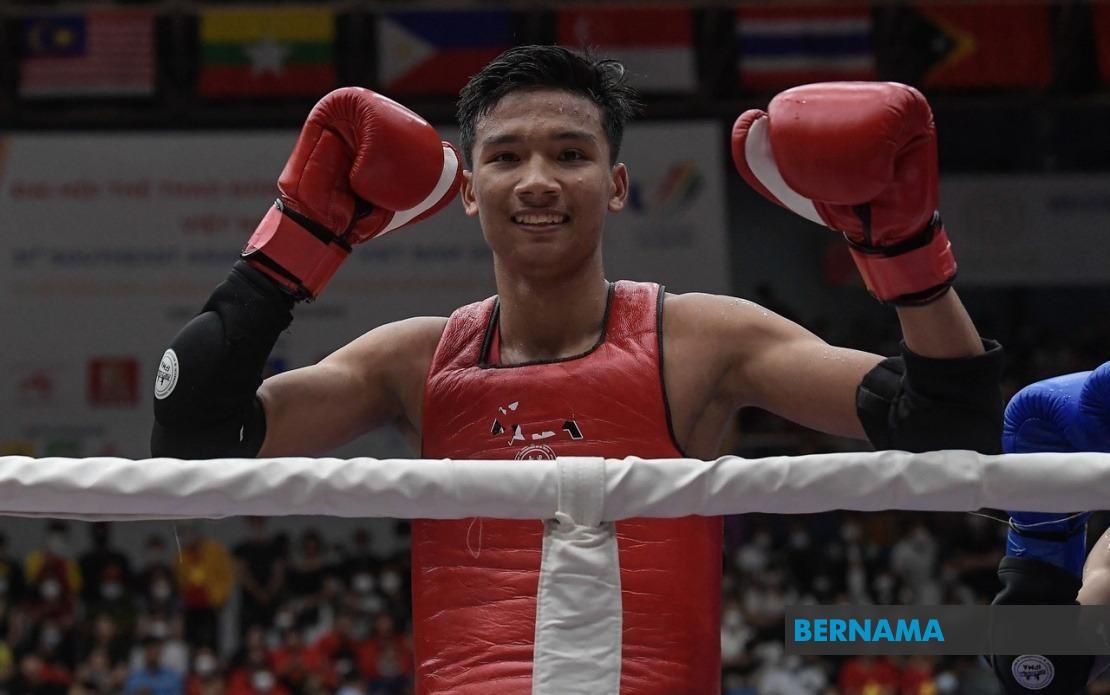
Prime Minister Datuk Seri Anwar Ibrahim has issued a public call for Malaysians to stand behind combat sports athlete Ahmad Nor Iman Aliff Rakib as the country's Muay Thai prospect pursues what could be a landmark achievement in the sport. The premier's appeal, made through a social media post, underscores the broader significance of the fighter's upcoming competition on Friday, where he will face off against one of Thailand's most accomplished practitioners in the ring.
Ahmad Nor Iman Aliff's scheduled bout against Sam-A Gaiyanghadao for the ONE Interim Strawweight Muay Thai World Championship at Lumpinee Stadium in Bangkok represents uncharted territory for Malaysian combat athletics. Should the local athlete prevail, he would become the first Malaysian-based competitor to secure a world title opportunity in professional Muay Thai under the ONE Championship banner, an organization that has become the premier promotional platform for the sport across Asia. This distinction carries particular weight given Malaysia's growing presence in international combat sports, though the country has historically been overshadowed by Thailand, Cambodia, and Myanmar in Muay Thai circles.
Anwar's intervention on the political stage reveals how sporting achievements have become woven into national pride narratives within Malaysian governance. The prime minister's Facebook statement framed Ahmad Nor Iman Aliff's participation not merely as an athletic contest but as an opportunity for the nation to project strength and capability onto the global arena. Such high-level political backing reflects a strategic recognition that success in internationally recognized sporting domains enhances soft power and provides tangible symbols of national competitiveness that resonate beyond the immediate sporting community.
The significance of facing Sam-A Gaiyanghadao cannot be understated. The Thai fighter carries decades of experience and represents the technical mastery traditionally associated with Thailand's dominance in Muay Thai. His record and reputation mean that any competitive showing by Ahmad Nor Iman Aliff would elevate Malaysia's standing in combat sports conversations, while a victory would fundamentally alter the perception of Malaysian athletic capabilities in this discipline. The Lumpinee Stadium venue itself carries historical prestige within Muay Thai culture, making the setting a formidable stage for an emerging talent.
From a Southeast Asian perspective, Malaysia's development of homegrown combat sports talent serves broader regional interests in diversifying excellence beyond traditional powerhouses. The emergence of Malaysian competitors in premium international events encourages investment in grassroots training infrastructure and athlete development pathways across the country. Anwar's public support signals that governmental resources and institutional backing increasingly recognize combat sports as legitimate pathways for national representation and medal accumulation in ways previously reserved for Olympic disciplines.
The political dimension of sporting endorsement also reflects contemporary Malaysian governance approaches that seek tangible achievements to demonstrate competence across multiple national development domains. By visibly supporting Ahmad Nor Iman Aliff, the prime minister positions the government as invested in enabling Malaysian talent at the highest levels of international competition. This connects to broader narrative strategies within Malaysian politics that emphasize national capability, unity, and forward momentum.
Ahmad Nor Iman Aliff's trajectory, meanwhile, represents the professionalization of Muay Thai within Malaysia. The athlete's qualification for a world title opportunity suggests that structured training systems, financial investment, and international exposure have matured sufficiently to produce competitive fighters capable of challenging established international standards. This evolution parallels similar developments in other Southeast Asian nations where Muay Thai infrastructure has expanded considerably over the past decade.
The timing of Anwar's public statement also demonstrates how contemporary political leaders leverage digital platforms to mobilize public sentiment around sporting events. Rather than merely private encouragement, the prime ministerial endorsement becomes a public call to action that extends throughout Malaysian society. This approach recognizes that public backing translates into psychological support for athletes operating in high-pressure international environments, potentially influencing their performance through bolstered confidence and national morale.
For Malaysian sports administrators and combat sports federations, Ahmad Nor Iman Aliff's world title opportunity validates investment strategies focused on individual athlete development in niche international disciplines. Success in securing and converting such opportunities could influence future funding allocations and strategic planning, potentially encouraging greater investment in Muay Thai academies, coaching expertise, and athlete support systems throughout the country. The establishment of a Malaysian world champion in a martial art would create precedent and inspiration for emerging competitors.
Looking forward, the outcome of Friday's championship bout carries implications extending well beyond the individual athlete. Success would position Malaysia more prominently within international Muay Thai hierarchies and could accelerate the country's emergence as a regional training and competition hub. Conversely, even a competitive loss against an established champion like Sam-A Gaiyanghadao would demonstrate that Malaysian athletes can perform credibly on the highest stages, laying groundwork for future title challenges and attracting greater international recognition to the country's combat sports ecosystem.

