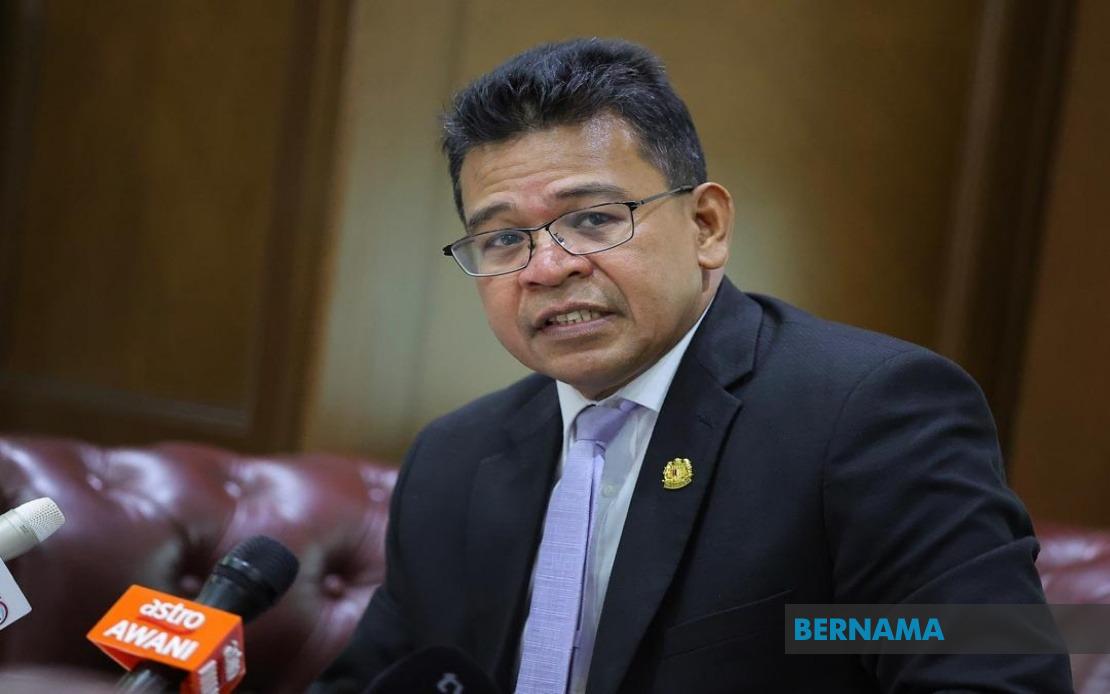
Prime Minister Datuk Seri Anwar Ibrahim is set to travel to Brunei tomorrow for a two-day working engagement centred on the 27th Annual Leaders' Consultation between the two neighbouring nations. The high-level bilateral meeting represents the most significant diplomatic mechanism available to Malaysia and Brunei for reviewing and strengthening their multifaceted partnership, according to Malaysian High Commissioner to Brunei Datuk Mohd Aini Atan.
The consultation will bring together Anwar and Sultan of Brunei Sultan Hassanal Bolkiah to assess the current state of bilateral relations and identify new areas for cooperation. As close neighbours within the Association of Southeast Asian Nations framework, both leaders will also deliberate on pressing regional and international matters that affect their mutual interests, providing an opportunity to align their diplomatic positions on key issues affecting Southeast Asia.
The relationship between Malaysia and Brunei has evolved substantially since formal diplomatic ties were established in 1984, developing into what officials characterise as a particularly close and enduring partnership. This foundation of longstanding collaboration will inform discussions during ALC-27, with both nations expected to build upon existing frameworks and explore innovative approaches to deepening engagement across economic, security, and social dimensions.
One tangible outcome anticipated from the consultation involves the signing of a Memorandum of Understanding focused on disaster management cooperation. This agreement, to be formalised by relevant ministers from both countries, reflects growing recognition that natural disasters and climate-related emergencies require coordinated regional responses. Given Southeast Asia's vulnerability to typhoons, floods, and other environmental hazards, such bilateral frameworks increasingly serve as building blocks for broader disaster preparedness networks across ASEAN.
Anwar's delegation underscores the significance Malaysia attaches to this engagement. Accompanying the Prime Minister will be Foreign Minister Datuk Seri Mohamad Hasan, Sarawak Premier Tan Sri Abang Johari Tun Openg, Sabah Chief Minister Datuk Seri Hajiji Noor, and Minister of Investment, Trade and Industry Datuk Seri Johari Abdul Ghani. The inclusion of both state leaders and the trade minister signals that discussions will span not only foreign policy but also economic development and investment opportunities benefiting Malaysia's diverse regions.
Preceding the main consultation, Foreign Minister Mohamad Hasan will chair the 27th Malaysia-Brunei Exchange of Letters Implementation Meeting on August 21 in coordination with Brunei's Second Minister of Foreign Affairs, Datuk Seri Setia Erywan Mohd Yusof. This preparatory session will monitor progress across various bilateral cooperation initiatives and review the implementation status of agreements concluded during the previous leaders' consultation held in Putrajaya last year, ensuring continuity in bilateral programming.
Trade between the two nations demonstrates the economic interdependence underpinning their political relationship. In 2025, bilateral commerce totalled RM5.86 billion, with Malaysian exports to Brunei valued at RM4.20 billion and imports from Brunei reaching RM1.66 billion. These figures illustrate Malaysia's trade surplus with its neighbour, reflecting the country's role as a significant supplier of manufactured goods and services to the sultanate.
The first half of 2026 has already generated RM2.38 billion in total trade between the nations, indicating a steady pace of economic exchange despite global economic uncertainties. For Malaysia, Brunei represents an important market for manufactured products, while Brunei's energy resources contribute meaningfully to Malaysia's import profile. This complementary trade structure provides economic incentives for both governments to maintain stable diplomatic relations and remove barriers to commerce.
The timing of this visit reflects Malaysia's strategic priority of nurturing relationships with immediate neighbours. As regional geopolitical dynamics continue to shift, bilateral engagement through structured forums like the Annual Leaders' Consultation helps ensure that Malaysia and Brunei can coordinate responses to shared challenges ranging from maritime security to trade facilitation. The visit also demonstrates Malaysia's commitment to ASEAN solidarity, with both nations working to strengthen the regional bloc's cohesion amid external pressures.
For Malaysian policymakers, the consultation offers an opportunity to explore how bilateral cooperation can support the nation's broader economic and social objectives. Discussions may encompass labour mobility, investment promotion, and sectoral collaboration that benefits businesses and workers in both countries. Given that many Malaysian citizens reside in Brunei and vice versa, consular and social welfare matters often feature in bilateral deliberations.
The disaster management agreement expected to be signed demonstrates how bilateral relationships increasingly address non-traditional security concerns. Climate change and environmental degradation pose mounting challenges to Southeast Asian nations, and formalised cooperation mechanisms enable faster, more effective responses during emergencies. Such agreements typically establish information-sharing protocols, joint training exercises, and coordination frameworks that enhance both nations' resilience.
Looking ahead, this consultation may also set the trajectory for Malaysia-Brunei relations throughout 2026 and beyond. With regional economic integration deepening through mechanisms like the ASEAN Comprehensive Investment Agreement, bilateral relationships serve as the foundation upon which regional frameworks are built. The outcomes of ALC-27 will likely influence how Malaysia and Brunei position themselves within broader ASEAN initiatives and how effectively they can coordinate positions on issues ranging from climate action to digital economy development.
The working visit ultimately reflects the pragmatic, consistent approach both nations have maintained toward bilateral relations. Despite their different political systems and economic profiles, Malaysia and Brunei have constructed a partnership characterised by respect, regular consultation, and incremental cooperation. The August visit represents another chapter in this ongoing dialogue, demonstrating that sustained engagement and institutional mechanisms remain vital for maintaining stable, productive relations between neighbouring states in an increasingly complex regional environment.

