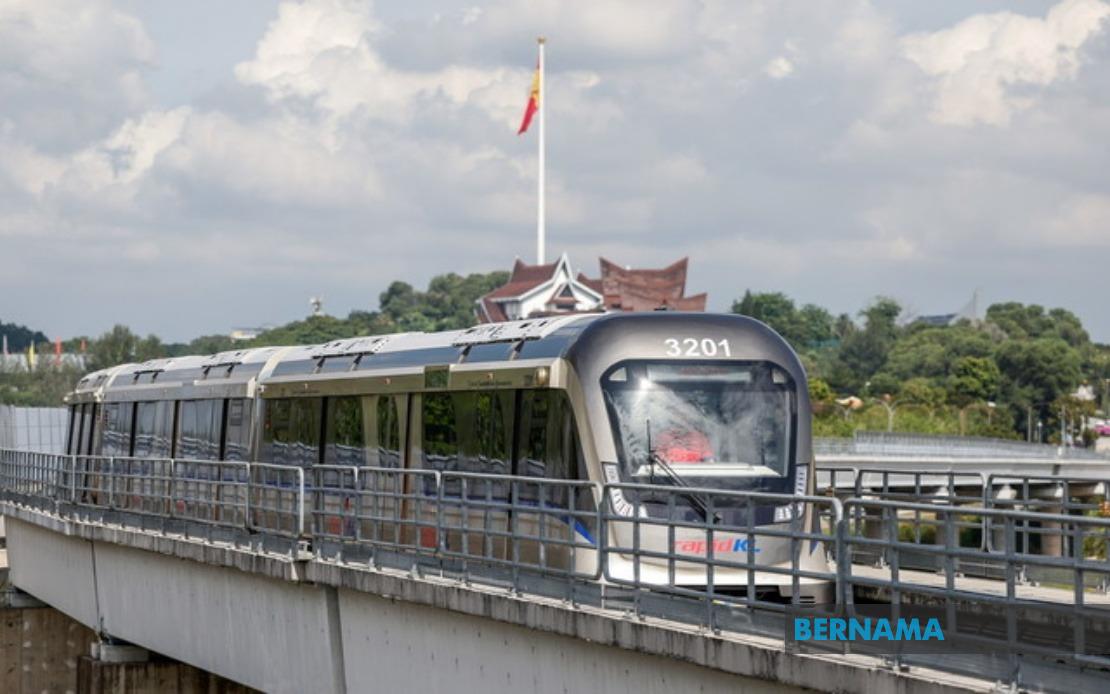
The Light Rail Transit 3 Shah Alam Line, a major addition to the Klang Valley's public transport network, has completed construction and stands ready to commence operations following its official launch this Sunday. Prime Minister Datuk Seri Anwar Ibrahim will preside over the ceremony, where he is anticipated to reveal the commercial opening date and passenger service commencement time. The 37.8-kilometre corridor represents a significant investment in regional connectivity, stretching from Bandar Utama in the north to Johan Setia in the south, and is projected to transform commuting patterns for approximately two million people living along its pathway.
The new railway line incorporates 20 stations strategically positioned to serve diverse communities and commercial centres throughout the Shah Alam metropolitan area. The northern section includes Bandar Utama, Kayu Ara, BU 11, Damansara Idaman, Subang, Glenmarie 2, Kerjaya, Stadium Shah Alam, Dato' Menteri, and UiTM Shah Alam. Southwards, the route continues through Seksyen 7 Shah Alam, Bandar Baru Klang, Pasar Klang, Jalan Meru, Jambatan Kota, Taman Selatan, Seri Andalas, Klang Jaya, Bandar Bukit Tinggi, and terminates at Johan Setia. This distribution ensures coverage of residential zones, educational institutions, sports facilities, and commercial precincts, making the line accessible to diverse commuter demographics.
Integration with the existing rapid transit network forms a cornerstone of the LRT3 Shah Alam Line's design philosophy. Passengers can transfer seamlessly to the Kajang Line at Bandar Utama station, providing direct access to communities in the south and east. The Glenmarie 2 station functions as a connection point to the Kelana Jaya Line, linking northbound commuters to the central business district and Kuala Lumpur's core areas. These interchange arrangements eliminate the need for time-consuming surface transfers and enhance the overall utility of the expanded network for multi-destination journeys.
Recognising that rail infrastructure alone cannot solve the final-mile connectivity challenge, Prasarana has deployed an extensive feeder bus network comprising 40 buses operating across 13 routes with 323 designated stops. This complementary service operates from six in the morning until 11:30 at night, with fares capped at RM1 per journey, making it an affordable extension of the rapid transit system. For those preferring more direct routing, Rapid On-Demand van services offer an alternative, with 44 vehicles covering 20 zones at RM2 per trip during the same operating window. Shah Alam line management has indicated that these supporting services will be continuously refined based on observed passenger demand patterns and actual travel behaviour once commercial operations commence.
Parking infrastructure addresses the needs of motorists who prefer to drive to transit stations. Six locations—Kayu Ara, Damansara Idaman, Pasar Besar Klang, Sri Andalas, Bandar Bukit Tinggi, and Johan Setia—offer dedicated parking facilities totalling 2,300 bays. This park-and-ride capability caters to commuters from outlying areas who find it more convenient to drive partway and complete their journeys via rail, potentially capturing additional ridership from beyond the line's immediate walking catchment area.
Projections for passenger demand indicate anticipated growth trajectories that signal confidence in the line's viability and appeal. Prasarana Malaysia Berhad targets 67,000 daily passengers during the initial operational year, with expectations that this figure will escalate to 117,708 daily travellers within five years. These forecasts likely account for an initial adjustment period as commuters become familiar with the service, discover optimal routes, and integrate rail travel into their routines. The trajectory suggests growing acceptance of the LRT3 Shah Alam Line as a preferred mode of transport as its benefits become apparent to residents and employers operating along the corridor.
Sustainability considerations permeate the infrastructure design and operational systems. Rolling stock specifications include inverter-based air conditioning units that reduce energy consumption compared to conventional systems, while stations incorporate smart cooling mechanisms that respond to usage patterns and environmental conditions. Architectural planning has prioritised natural ventilation and daylighting at stations, minimising reliance on artificial climate control and electrical lighting throughout operating hours. These environmental considerations reflect evolving expectations that modern transport infrastructure should balance growth imperatives with ecological responsibility.
Accessibility provisions ensure that the LRT3 Shah Alam Line serves the entire spectrum of the travelling public, including persons with disabilities and elderly commuters. Every station includes wheelchair-accessible ramps that facilitate independent movement for mobility-impaired users, whilst disability-compliant toilet facilities are available throughout the network. Within each rail carriage, designated seating areas provide reserved spaces for individuals with disabilities, elderly passengers, and pregnant women, reinforcing a design philosophy that prioritises equitable access to public services.
Aspects of the project remain under ongoing refinement. Five stations—Tropicana, Raja Muda, Temasya, Bukit Raja, and Bandar Botanik—require reconstruction work that is scheduled to commence by the conclusion of 2024. This phased approach allows the primary 20-station route to commence operations while engineering teams prepare these additional facilities for subsequent integration. The staged implementation reflects practical project management constraints while ensuring that the majority of the corridor benefits from improved connectivity at the earliest opportunity.
The LRT3 Shah Alam Line's completion represents a notable expansion of rapid transit capacity in the Klang Valley, addressing longstanding transportation challenges in this densely populated region. By connecting established communities, emerging residential developments, and employment centres through a modern, integrated transit system, the line aspires to reduce traffic congestion, lower transportation costs for commuters, and support sustainable urban development patterns. The projected passenger numbers and comprehensive feeder network suggest that planners have considered the practical realities of transport behaviour and sought to maximise accessibility beyond those living immediately adjacent to stations. As Prime Minister Anwar Ibrahim prepares to formally launch this infrastructure, the LRT3 Shah Alam Line enters a critical phase where theoretical capacity meets real-world utilisation patterns and commuter responses will ultimately determine whether projections prove conservative or optimistic.

