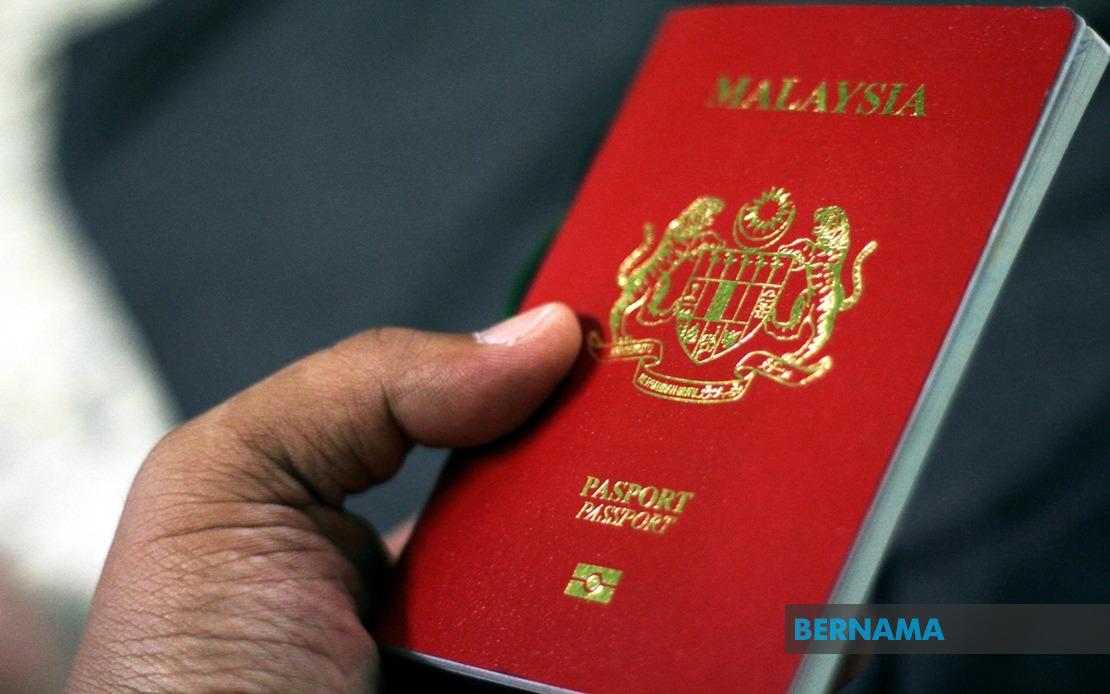
Prime Minister Datuk Seri Anwar Ibrahim will launch an extensively upgraded Malaysian International Passport at the Parliament lobby on Tuesday, marking a significant step forward in the country's document security infrastructure. The new travel document incorporates 94 distinct security features, representing a substantial leap from the 49 safeguards present in the existing version.
This modernisation effort reflects the government's commitment to maintaining Malaysia's standing as a custodian of one of the world's most reliable travel documents. The enhancement addresses evolving global threats to document integrity while positioning Malaysia competitively within the international travel ecosystem. By nearly doubling the number of security features, the new passport aims to make counterfeiting exponentially more difficult and economically unfeasible for potential fraudsters.
The technological upgrades incorporated into the new design encompass multiple layers of protection across different security domains. Holographic elements have been integrated throughout the document, creating visual markers that change appearance when viewed from different angles—a technique that proves particularly challenging to replicate without specialised equipment. Ultraviolet printing technology has also been embedded, with hidden patterns and text visible only under UV light, adding another barrier that requires specific detection apparatus to verify authenticity.
Beyond surface-level features, the passport includes specialised forensic security measures designed for advanced verification purposes. These elements enable border control officials and security agencies to authenticate documents using sophisticated scanning and analytical tools. The hidden visual elements woven throughout the document serve as additional markers that authenticate personnel can cross-reference against databases, creating a multi-point verification system.
The binding thread that holds the passport booklet together has itself undergone significant enhancement. Rather than serving merely as a structural component, this thread now incorporates security features that make tampering immediately apparent. Additionally, each page within the new passport has been assigned a unique layout and design scheme, preventing the straightforward reproduction of pages that might otherwise be substituted or modified in fraudulent documents.
Home Minister Datuk Seri Saifuddin Nasution Ismail had previously signalled the government's broader intentions to strengthen identity documentation across multiple platforms. Earlier this year, he announced plans to introduce redesigned versions of both the Malaysian International Passport and MyKad, indicating a comprehensive overhaul of the country's identity security infrastructure. This coordinated approach suggests that the government recognises identity document security as an interconnected challenge requiring simultaneous attention across multiple documents.
Malaysia's standing in international passport rankings underscores the relevance of this upgrade. According to the 2025 Passport Index, the Malaysian International Passport holds the position as the world's third most powerful travel document, a ranking that takes into account visa-free access to other countries and overall document prestige. Maintaining and enhancing this status requires consistent investment in document security, as other nations continuously improve their own travel documents. The introduction of 94 security features positions Malaysia to remain competitive and reinforces confidence among both domestic citizens and international authorities in the authenticity of Malaysian passports.
The timing of this launch carries practical implications for Malaysian travellers. As the government processes applications for the new passport, citizens may notice transition periods where both old and new versions remain in circulation. Immigration authorities domestically and internationally will need to familiarise staff with the new security features to effectively verify documents during travel. This transitional period presents an opportunity for enhanced training of border control personnel, ensuring that the significant investment in document security translates into effective authentication at ports of entry.
For the business travel and tourism sectors, the enhanced security measures could streamline processing at border checkpoints once authentication systems are updated. The reduced risk of fraudulent documents circulating under the Malaysian flag enhances the brand integrity of Malaysian travel documents, potentially facilitating smoother passage through international airports and border crossings. This benefit extends beyond individual travellers to encompass Malaysia's broader reputation as a secure and professionally administered nation.
The sophisticated nature of the security features employed also reflects Malaysia's capabilities in document production and security printing technology. The incorporation of holographic elements, UV-reactive inks, and embedded forensic markers requires access to specialised manufacturing expertise and equipment. By developing these capabilities domestically or through trusted international partners, Malaysia demonstrates technical sophistication in identity document production, positioning the country as a credible issuer of travel documents on the global stage.
From a security standpoint, the expansion of protective features addresses vulnerabilities that may have emerged in the current passport design. Counterfeiting techniques continuously evolve, with fraudsters investing substantial resources into replicating security features. By substantially increasing the number of safeguards and employing multiple layers of protection across different technological domains, the new passport makes the effort required to produce convincing counterfeits economically prohibitive for most potential forgers. This approach demonstrates a forward-thinking security posture rather than a reactive response to identified threats.
The launch event at Parliament signals the government's emphasis on this initiative, elevating the announcement beyond a routine administrative implementation. By having the Prime Minister personally oversee the launch, the government underscores the importance of identity document security within its broader governance agenda. This messaging reinforces to international partners that Malaysia takes document integrity seriously and has invested in comprehensive solutions to protect its citizens and maintain the integrity of its travel document system.

