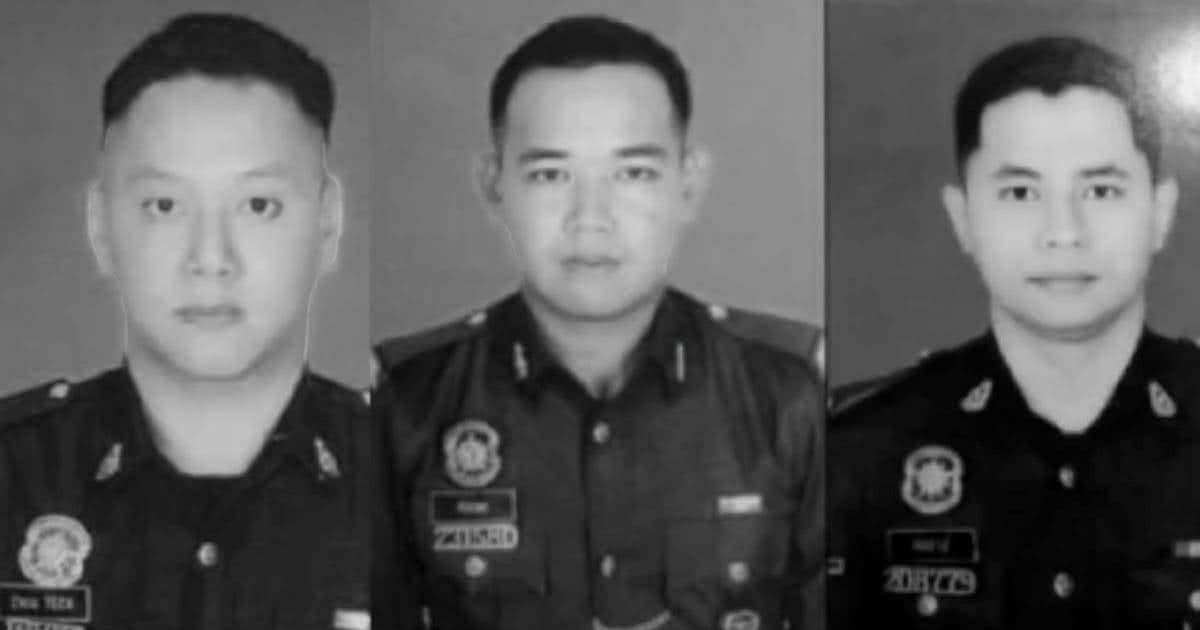
Prime Minister Datuk Seri Anwar Ibrahim has stepped in to oversee the investigation into a fatal electrocution incident that claimed the lives of three police officers in Kampung Weston, Beaufort, Sabah. The deaths mark a significant loss for Malaysia's law enforcement community and have raised urgent questions about occupational safety protocols during emergency responses. Anwar's direct intervention signals the gravity with which the federal government is treating the matter, underscoring the need for swift and comprehensive fact-finding.
The incident, which occurred in Beaufort in eastern Malaysian Borneo, appears to have involved electrical contact in circumstances that remain under examination. The loss of three uniformed personnel in a single incident is comparatively rare in Malaysia and has prompted immediate high-level attention. Anwar's directive calls for the investigation to be conducted with full transparency and without delay, reflecting growing public concern about the safety risks faced by frontline emergency responders across the nation.
Electrocution remains a persistent occupational hazard in law enforcement work, particularly in field conditions where emergency personnel encounter uncontrolled electrical sources during rescue operations or incident response. The incident in Beaufort underscores broader questions about training, equipment standards, and safety briefings for officers deployed to potentially dangerous environments. Malaysian authorities will likely examine whether standard protocols for electrical hazards were properly followed and communicated to the officers involved.
The police force's operational readiness depends partly on rigorous safety frameworks. This tragedy provides an opportunity to audit existing procedures, particularly in Sabah and Sarawak where terrain, weather patterns, and infrastructure conditions can create unique occupational risks. The Royal Malaysia Police will need to demonstrate that personnel receive adequate training in hazard identification and safe practices when dealing with electrical infrastructure during emergency calls.
Anwar's emphasis on transparency reflects broader governance trends in Malaysia. Public confidence in institutional investigations depends on openness about findings, timelines, and corrective measures implemented following serious incidents. The three officers' families and the wider police community will expect detailed explanations of what occurred and what systemic changes result from this inquiry. This approach also models accountability in crisis response that applies to all government agencies handling critical incidents.
The Beaufort incident also highlights regional safety disparities across Malaysia. Infrastructure in some areas, particularly in rural Sabah, may present unique electrical hazards that differ from urban settings. The investigation should determine whether location-specific risk factors contributed to the tragedy and whether officers deployed to such areas require specialised training or equipment. This may inform resource allocation decisions affecting law enforcement operations throughout Malaysian Borneo.
International best practices in emergency services typically emphasise hazard assessment protocols before personnel are deployed to scenes involving utilities. The investigation will likely examine whether preliminary checks were conducted and what communication breakdowns, if any, occurred. Such inquiries often reveal systemic gaps that can be remedied through policy refinement, equipment upgrades, or enhanced coordination between police and utility companies.
The incident's impact extends beyond the immediate tragedy. Colleagues of the deceased officers may experience psychological distress, and public morale within the police service requires careful management during investigations. The government's response, including how Anwar's directive translates into concrete investigative steps and public updates, will influence wider perceptions of institutional care for personnel and commitment to preventing future incidents.
Sabah, with its geographic challenges and dispersed population centres, has historically presented distinctive operational demands for police and emergency services. The proximity to the Sulu and Sulawesi Seas, the scale of territory relative to available resources, and the region's infrastructure limitations mean officers often respond to incidents in conditions that may lack the safety infrastructure available in Peninsular Malaysia. This incident reinforces the argument for region-specific operational protocols and resource deployment strategies.
The investigation's findings will likely inform policy discussions at the Inspector-General of Police's office and potentially within the Ministry of Home Affairs. Recommendations may encompass equipment standards, training curricula, inter-agency coordination procedures, or infrastructure partnerships with utility providers. How thoroughly and rapidly these recommendations are implemented will demonstrate whether the government translates incident investigations into meaningful operational improvements.
As the investigation unfolds, Malaysian law enforcement and families of the deceased will look to the government to explain the circumstances with clarity. Anwar's order for thorough examination creates accountability mechanisms that must produce credible findings. The three officers' service to the nation deserves more than procedural compliance; it requires institutional commitment to preventing similar tragedies and ensuring that personnel safety remains central to operational planning across all states and federal territories.

