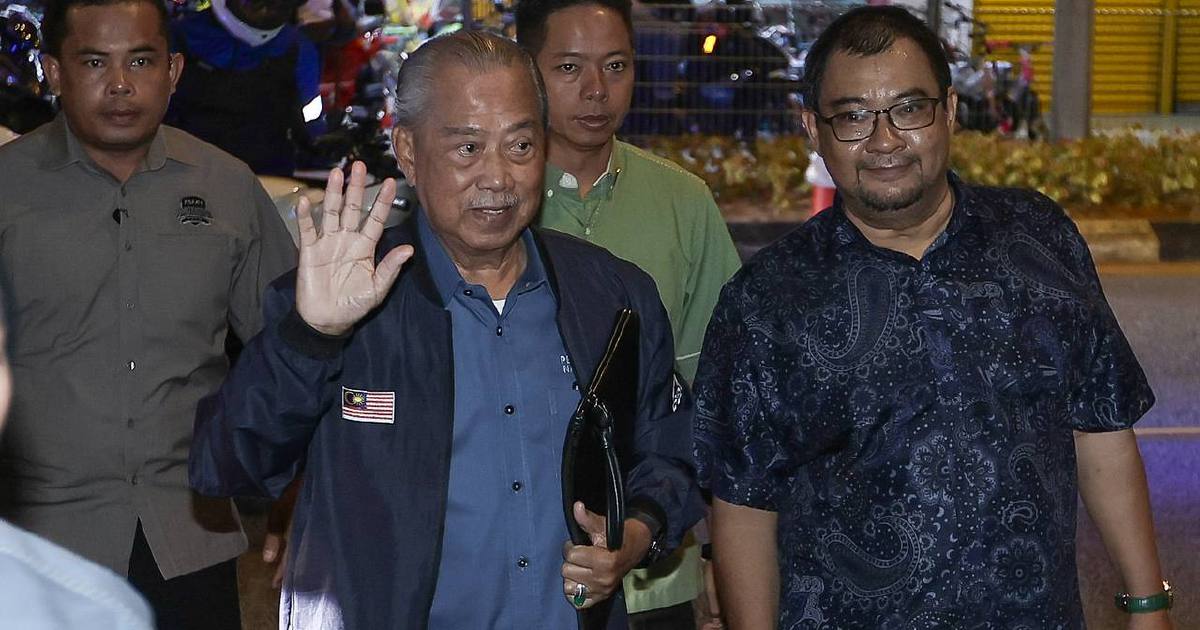
The Perikatan Nasional coalition convened an emergency Supreme Council gathering in Kuala Lumpur, with leadership subsequently clarifying the scope and substance of deliberations conducted at the session. According to Muhyiddin, the meeting maintained its focus on overarching coalition-related matters rather than zeroing in on the standing of any individual member party within the broader opposition structure.
Emergency summits of this nature typically signal heightened internal tensions or urgent strategic recalibrations within a political bloc. The Perikatan Nasional, comprising several opposition parties aligned against the governing coalition, has periodically encountered friction regarding member parties' roles and influence within the broader alliance. Such gatherings allow leadership to address pending partnership challenges and consider expansions that could strengthen the coalition's electoral reach and parliamentary representation.
The distinction drawn by Muhyiddin between general coalition deliberations and specific membership discussions carries significant political weight. By explicitly stating that Bersatu's position remained off the table during the meeting, leadership signaled an intention to sidestep potentially divisive conversations that could further strain relationships already tested by previous disagreements. This strategic omission suggests a measured approach designed to preserve coalition unity during what appears to be a period of internal recalibration.
Bersatu's relationship with other components of Perikatan Nasional has remained a subject of speculation among political observers, particularly given the party's former role within the ruling coalition and its subsequent repositioning within opposition ranks. The absence of explicit discussion regarding its membership status during an emergency session implies either that existing arrangements remain sufficiently stable to warrant continued focus elsewhere, or that leadership elected to defer resolution of contentious issues until circumstances permit more thorough deliberation.
Coalition-building in Malaysia's fragmented political landscape demands constant negotiation and recalibration, especially as parties maneuver to maximize influence within their chosen blocs. The Perikatan Nasional's consideration of potential new membership represents the bloc's ongoing efforts to broaden its appeal and strengthen its competitive position against rival coalitions. Such expansion carries implications for resource distribution, leadership hierarchies, and policy coordination among existing partners.
For Malaysian readers closely monitoring opposition politics, these developments underscore the complex dynamics shaping the country's political trajectory beyond the Putrajaya-based government. The Perikatan Nasional continues positioning itself as a significant counterweight to the ruling coalition, but internal cohesion remains paramount to maintaining credibility with both its constituent members and the broader electorate considering alternative political arrangements.
The timing of this emergency session, coinciding with apparent pressures on coalition unity and membership composition, suggests that senior Perikatan Nasional figures sought to address mounting strategic questions without opening wider conversations that could prove destabilizing. This approach reflects political pragmatism—acknowledging the need for urgent discussion while carefully constraining the scope to manageable parameters that avoid reigniting existing grievances.
Muhyiddin's public clarification regarding what did not feature in the meeting deserves particular attention, as political leaders often employ strategic communication to frame public understanding of internal proceedings. By emphasizing what remained off the agenda, he simultaneously reassured other component parties about their standing while signaling to external observers that despite emergency conditions, core coalition architecture remained stable enough to avoid wholesale reconsideration of membership arrangements.
The opposition landscape in Southeast Asia's largest English-speaking nation remains in constant flux, with parties repeatedly adjusting alliances in pursuit of electoral advantage and policy influence. The Perikatan Nasional's recent actions demonstrate the ongoing tension between maintaining coalition cohesion and accommodating member parties' evolving interests and ambitions. How the bloc navigates these pressures will substantially influence Malaysian politics heading toward subsequent electoral cycles and parliamentary sessions.
Looking ahead, observers should monitor whether future coalition gatherings prove more explicit in addressing membership-related questions or continue following the measured approach evidenced during this emergency session. The resolution of such matters, even if deferred, will ultimately shape the Perikatan Nasional's institutional stability and competitive effectiveness within Malaysia's broader political environment.