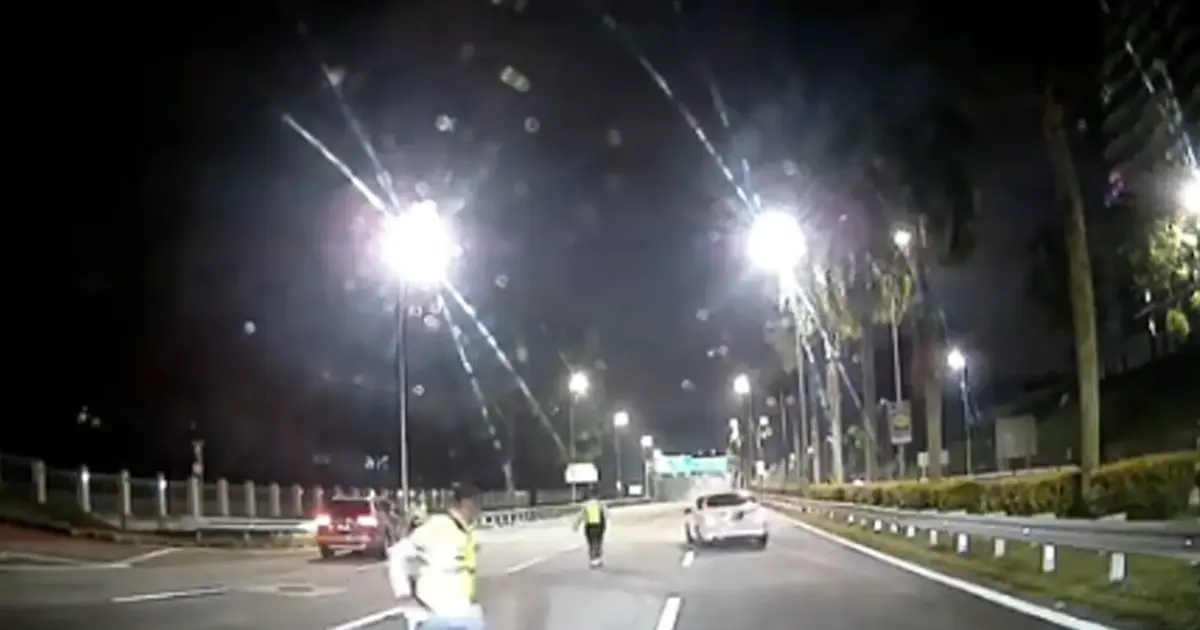
A 20-year-old motorist has been taken into custody following an incident in which he allegedly drove through a police roadblock while appearing visibly anxious, refusing to halt when signalled by law enforcement officers. The arrest underscores the seriousness with which authorities treat attempts to circumvent road safety checkpoints, a persistent challenge for police conducting traffic and security operations across the country.
The driver's apparent nervousness during the encounter has raised questions about what might have prompted such a high-risk decision. While police have not disclosed further details about the vehicle's condition or the occupants involved, the incident reflects a pattern of motorists attempting to evade routine inspections. Such breaches create dangerous situations for both officers stationed at checkpoints and other road users in the vicinity.
Roadblocks and checkpoints serve multiple law enforcement functions in Malaysia, ranging from combating drunk driving and vehicle-related offences to identifying vehicles involved in criminal investigations. When drivers refuse to stop, they force officers to make split-second decisions that could result in injury. The incident also demonstrates that police will pursue legal action against those who flout these essential safety measures, sending a deterrent message to the driving public.
The arrest was made under provisions governing non-compliance with police orders, a charge that carries serious implications for the offender's driving record and legal standing. Courts have consistently upheld convictions in such cases, viewing them as threats to public safety and police authority. The specific circumstances of why the driver chose to breach the checkpoint remain unclear, but investigators will likely examine vehicle records, licensing status, and whether there were any outstanding matters requiring the driver's attention.
For Malaysian motorists, the message is straightforward: roadblocks are lawful operations conducted with clear public interest objectives. Attempting to bypass them not only exposes drivers to criminal charges but also raises suspicions that might not otherwise have existed. Even drivers with legitimate concerns about delays should comply with officers' instructions and address issues through proper legal channels afterward if necessary.
The incident occurs against a backdrop of ongoing police efforts to maintain road discipline and reduce traffic-related incidents. Malaysian authorities have intensified checkpoint operations in recent years, particularly during festive seasons and along highways prone to accidents. These measures, while sometimes inconvenient for law-abiding drivers, have contributed to improved road safety statistics in certain regions.
From a procedural standpoint, police officers at roadblocks are trained to request documents, inspect vehicles, and conduct questioning within their legal authority. Drivers who feel treated unfairly during such encounters have recourse through complaints mechanisms and the courts, but the appropriate response during the checkpoint itself is compliance. Resistance or attempted evasion can transform a routine check into a more serious legal matter, as this case demonstrates.
The young age of the arrested driver may also factor into investigations and potential sentencing recommendations. If this represents a first serious traffic offence, authorities may balance accountability with rehabilitation opportunities available through the judicial system. However, the severity of forcing through a checkpoint—particularly if the vehicle was travelling at speed or posed immediate danger to officers—could result in more serious charges beyond simple non-compliance.
Neighbouring Southeast Asian countries face similar challenges with roadblock evasion, suggesting this is a regional issue rather than an isolated Malaysian phenomenon. Shared best practices among ASEAN police forces indicate that consistent enforcement and public awareness campaigns have proven effective in reducing such incidents. Malaysia's approach of pursuing legal consequences sends important signals about the non-negotiable nature of checkpoint compliance.
The incident also raises operational considerations for police departments. Officers manning roadblocks must balance the need to maintain order and safety with the practical challenge of handling vehicles that refuse to stop. Enhanced training, improved visibility at checkpoint locations, and coordination with traffic cameras and license plate recognition systems can all contribute to managing these situations more effectively.
Looking forward, this arrest may prompt broader public education initiatives reminding drivers of the legal and safety imperatives surrounding roadblock compliance. For Malaysian motoring organisations and safety advocates, such incidents provide teachable moments about responsible driving behaviour. The consequences faced by this 20-year-old driver serve as a real-world example of the serious outcomes that can flow from momentary decisions to evade police authority.
Courts will now determine the appropriate penalties based on evidence presented during proceedings. Beyond the immediate legal outcome, the case reinforces that Malaysian law enforcement takes checkpoint security and driver compliance seriously. For the broader driving community, it represents an important reminder that cooperation with police at roadblocks remains both a legal obligation and a practical necessity.

