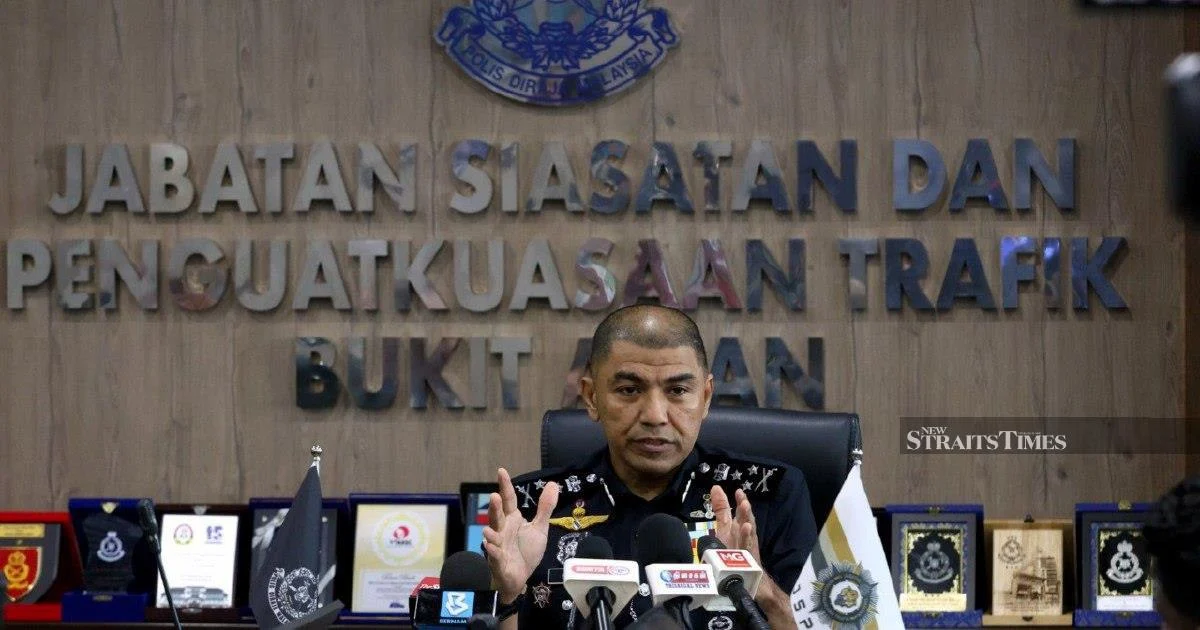
Malaysian law enforcement has taken decisive action against a troubling trend threatening road safety, arresting 121 commercial vehicle drivers allegedly operating under the influence of drugs during an intensive three-month nationwide enforcement drive. The large number of apprehensions signals what police regard as a significant and escalating problem affecting the country's road transport sector, where operators of heavy vehicles and public conveyances are positioned to pose outsized risks to themselves and other road users.
The scale of the operation underscores police commitment to tackling substance abuse among professional drivers, a category whose impairment can have catastrophic consequences given the size and weight of vehicles they control. Commercial vehicle operations—encompassing long-haul trucking, bus services, and freight transport—represent critical infrastructure supporting Malaysia's economy and regional supply chains. When operators succumb to drug use, they jeopardise not only their own safety but that of passengers, other motorists, and pedestrians sharing the road.
Drug-impaired driving presents a distinct challenge compared to alcohol-related offences, as it is often harder to detect at routine traffic stops. Drivers under the influence of stimulants such as methamphetamine or amphetamines may exhibit erratic behaviour, poor concentration, and dangerous risk-taking, whilst those using depressants show drowsiness and slowed reflexes. Both scenarios dramatically elevate accident risk, yet identifying impairment requires trained observation, roadside testing, or laboratory confirmation—steps that exceed the capabilities of standard traffic enforcement.
The concentration of arrests among commercial drivers rather than private motorists raises questions about what factors drive substance abuse within the transport sector. Long working hours, pressure to meet delivery schedules, and the fatigue that accumulates during extended shifts may incentivise some operators to seek stimulants to maintain alertness, creating a vicious cycle where substance dependence becomes intertwined with employment pressures. Economic desperation, competitive rate-cutting among operators, and insufficient rest-day enforcement may all contribute to an environment where drug use becomes perceived as a functional necessity rather than a dangerous indulgence.
The three-month duration of the enforcement operation suggests a sustained and methodical approach rather than a one-off enforcement blitz. Such extended campaigns allow police to build intelligence networks, coordinate with transport companies and industry associations, and establish checkpoints across major routes and trucking hubs. The geographic scope of the nationwide operation indicates that drug-impaired driving among commercial operators is not confined to particular regions but represents a distributed problem requiring coordinated action across all states.
Malaysia's approach aligns with road safety efforts across Southeast Asia, where several countries grapple with similar challenges in monitoring and deterring substance abuse among professional drivers. Thailand, Indonesia, and the Philippines have also launched campaigns targeting impaired driving, reflecting a regional consensus that transport sector safety requires focused attention. International best practice suggests that effective intervention combines enforcement with industry engagement, driver education, and workplace policies that discourage drug use.
The implications for Malaysia's transport and logistics industry are substantial. Commercial operators, freight companies, and bus service providers may face increased regulatory scrutiny and pressure to implement stricter screening and monitoring programmes for their drivers. Some operators already conduct regular drug testing of staff; the enforcement crackdown will likely accelerate adoption of such measures across the sector. Conversely, heightened enforcement may impose procedural burdens and operational delays at checkpoints, though these costs must be weighed against the immense human and economic costs of road accidents.
For the logistics and transport sectors that depend on commercial vehicles, the crackdown presents both a challenge and an opportunity. Companies that invest in driver welfare—adequate pay, manageable schedules, mental health support, and fatigue management systems—may find themselves better positioned to attract reliable operators and avoid regulatory sanctions. Those cutting corners with unrealistic schedules and minimal support risk not only criminal liability but severe reputational damage and operational disruption should their drivers be implicated in accidents or enforcement actions.
The arrest figures also prompt reflection on drug availability and demand within Malaysia more broadly. The sizeable number of commercial drivers caught using drugs suggests either that substance abuse is more prevalent than previously recognised or that law enforcement's detection capabilities have improved. Either interpretation warrants serious consideration by health and social authorities responsible for drug prevention and treatment programmes. Establishing rehabilitation services specifically tailored to transport workers may help address the problem at source rather than simply cycling offenders through the criminal justice system.
Moving forward, the sustainability of road safety improvements will depend on whether enforcement is accompanied by complementary measures. Industry bodies representing transport operators should collaborate with police to develop best-practice standards for driver screening, fatigue management, and workplace drug policies. Insurance companies might offer premium incentives for operators demonstrating robust safety cultures. Training programmes can educate drivers about the dangers of impaired driving and the resources available for those struggling with substance abuse.
The arrest of 121 commercial vehicle drivers represents a concrete intervention in a critical safety challenge, yet it also signals the beginning rather than the conclusion of a broader effort. Maintaining pressure through continued enforcement, whilst building sustainable industry change through partnership and support, offers the most promising path toward reducing drug-impaired driving and protecting Malaysia's roads.

