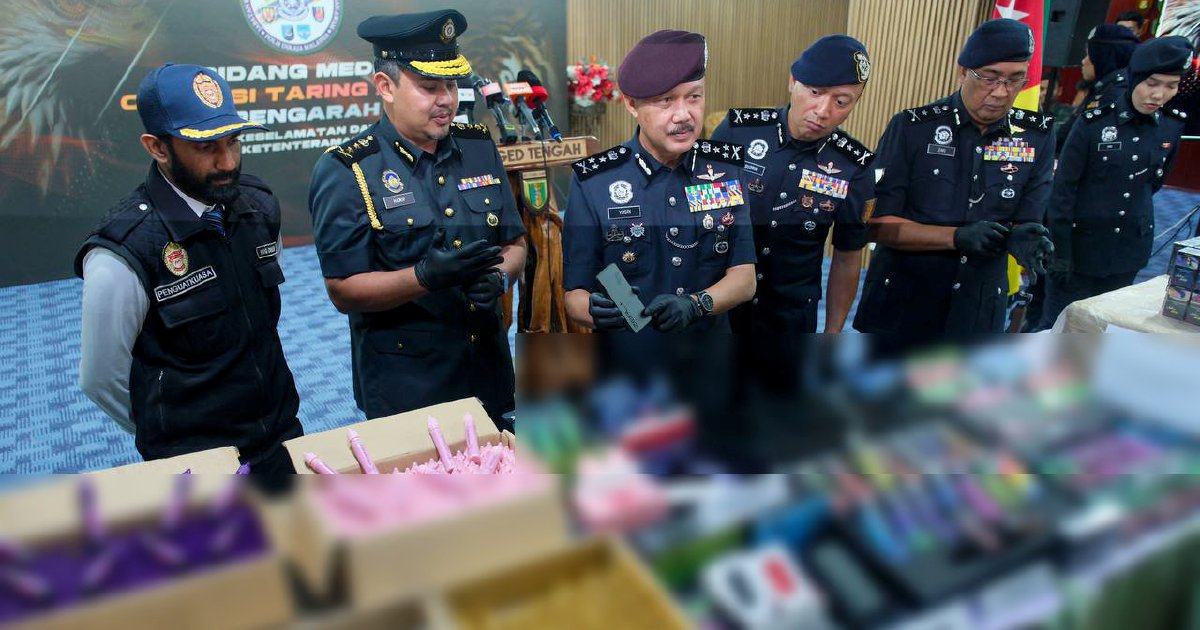
Malaysian police have dealt a substantial blow to smuggling networks in Selangor, recovering contraband cigarettes and vaping products valued at over RM15.5 million during two enforcement operations conducted in late last month. The seizures represent one of the more significant busts targeting illicit tobacco and nicotine products in the state, reflecting intensified efforts by authorities to combat organised trafficking of these commodities.
The raids underscore the scale of contraband activity flowing through Malaysia's most economically developed state, where proximity to ports and major transportation hubs creates ideal conditions for smuggling operations. Selangor has long served as a crucial distribution point for illegally imported goods destined for markets across the peninsula, making it a focal area for police and customs agencies tasked with disrupting supply chains that undermine government revenues and regulatory frameworks.
The confiscated vaping products represent a particularly concerning category for authorities, as the vaping market has expanded substantially across Southeast Asia despite regulatory restrictions in many jurisdictions. Malaysia maintains strict controls on vape products, yet demand persists, creating lucrative opportunities for criminal syndicates capable of sourcing these items from overseas suppliers and distributing them through underground networks. The scale of vape seizures in recent operations suggests smugglers have significantly scaled up importation efforts to capitalise on this market demand.
Contraband cigarettes constitute the other major component of these seizures, highlighting the persistent challenge of illegal tobacco commerce in Malaysia. Tax differentials between jurisdictions create strong incentives for smugglers to source cigarettes from countries with lower excise duties and transport them across borders for sale in higher-tax markets like Malaysia. These illicit products undercut legitimate retailers, distorting market competition while depriving the government of substantial customs and excise revenues that fund public services.
The twin focus on vaping and cigarette contraband reflects evolving smuggling patterns in the region. Where authorities previously concentrated enforcement efforts almost exclusively on traditional tobacco products, criminals have increasingly diversified their portfolios to include vaping devices and nicotine-containing liquids. This diversification strategy allows smuggling organisations to spread risk across multiple product categories while maximising profit margins by servicing different consumer segments simultaneously.
For Malaysian consumers and public health authorities, the proliferation of illicit vaping and cigarette products presents complex challenges beyond simple law enforcement concerns. Contraband items typically lack quality controls, regulatory oversight, and authenticity verification, exposing users to potentially hazardous substances. Products may contain undisclosed ingredients, incorrect nicotine concentrations, or harmful additives that legitimate manufacturers are legally prohibited from including. This underground commerce thus poses direct health risks to end consumers who lack information about product composition or safety standards.
The economic implications extend far beyond individual consumer purchases. The vaping and tobacco smuggling sector represents a substantial revenue leakage for government coffers at a time when public finances face pressures from development spending and social commitments. Excise taxes on tobacco and nicotine products constitute meaningful revenue streams that fund healthcare initiatives, education programmes, and infrastructure development. Every ringgit lost to contraband represents reduced capacity for such public investments across Malaysian communities.
Organised smuggling networks typically operate with sophisticated logistics infrastructure, leveraging free trade zones, port facilities, and transportation networks to move large volumes of goods with minimal detection risk. The RM15.5 million valuation of these seized items suggests operations of considerable scale, likely involving multiple supply sources, warehousing facilities, and distribution points across the state. Such networks typically employ compartmentalisation strategies that insulate higher-level organisers from direct involvement in street-level transactions, complicating police investigations and prosecutions.
The enforcement actions in Selangor align with broader Southeast Asian trends as police forces across the region escalate operations targeting contraband tobacco and vaping products. Thailand, Indonesia, and Vietnam have similarly reported significant seizures in recent years, suggesting coordinated trafficking networks operating across multiple jurisdictions. Intelligence sharing and cross-border cooperation between Malaysian and neighbouring authorities may enhance effectiveness in disrupting these operations at source points and transit locations.
Looking forward, authorities face the challenge of sustaining enforcement momentum against well-resourced criminal organisations that continually adapt distribution methods to evade detection. Enhanced port security measures, improved intelligence capabilities, and stricter penalties for trafficking organisers could raise the operational costs of smuggling beyond acceptable thresholds for criminal enterprises. Community reporting mechanisms and private sector engagement with customs agencies may also strengthen detection capabilities across supply chains.
The Selangor operations demonstrate that significant contraband seizures remain achievable through coordinated enforcement efforts, yet the persistence of such large-scale operations suggests smuggling networks continue finding effective workarounds to established detection measures. Sustainable progress against organised smuggling likely requires sustained resource commitment, strategic intelligence gathering, and continuous refinement of interdiction techniques as traffickers develop sophisticated methods to exploit vulnerabilities in border security and supply chain monitoring systems.

