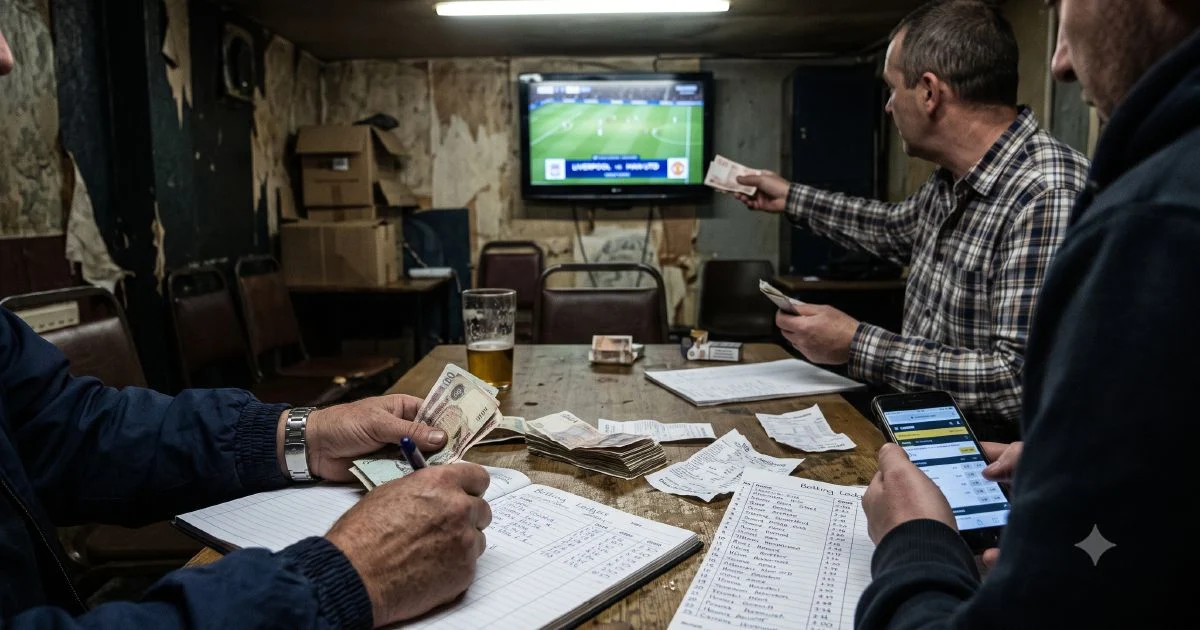
Malaysia's law enforcement agencies have intensified efforts to combat illegal gambling networks, with police announcing the arrest of 331 individuals and the uncovering of betting transactions exceeding RM2.63 million during Op Soga XI. The nationwide operation, which targeted unlicensed sports betting and online gambling operations capitalising on excitement surrounding the FIFA World Cup 2026, represents a significant blow to underground betting syndicates operating across the country.
The operation, coordinated by multiple police units across Malaysia, demonstrates the scope and scale of illegal gambling activity that thrives during major international sporting events. Football betting during World Cup tournaments has historically attracted substantial underground wagers, with criminal networks leveraging digital platforms and informal channels to circumvent Malaysia's gambling regulations. The substantial transaction value recovered—exceeding RM2.63 million—underscores both the profitability of these illicit operations and the financial stakes involved for individuals caught in the betting ecosystem.
Unlicensed sports betting represents a persistent challenge for Malaysian authorities, as digital connectivity and cross-border payment systems enable operators to conduct business with minimal physical presence. Unlike regulated betting through licensed platforms such as Sports Toto, illegal operations offer higher odds and greater anonymity, attracting bettors seeking to avoid regulatory oversight and taxation. The timing of Op Soga XI ahead of the 2026 World Cup reflects proactive police strategy to disrupt betting networks before major tournaments when demand for wagers traditionally accelerates.
The arrest figure of 331 individuals likely encompasses operators, bookmakers, agents, and gamblers at various levels of the betting supply chain. Higher-level organisers and those managing financial transactions typically face more serious charges than individual bettors, though Malaysia's gambling laws impose criminal penalties on all participants in unlicensed betting schemes. The breadth of arrests suggests the operation captured targets across different geographic regions and operational tiers, potentially dismantling organised syndicates rather than simply addressing street-level betting activity.
Worldwide sporting events, particularly the FIFA World Cup, create seasonal spikes in illegal gambling activity. The four-year interval between tournaments means betting syndicates operate with heightened intensity during these periods, recruiting new participants and expanding distribution networks. Malaysia's diverse population and significant diaspora connections provide potential channels for transnational gambling operations, with some networks potentially linked to international organised crime groups. The scale of the RM2.63 million transaction recovery suggests these operations achieved meaningful market penetration and customer engagement.
Online platforms have fundamentally transformed illegal betting operations, enabling operators to reach customers without traditional brick-and-mortar infrastructure. Mobile apps, encrypted messaging systems, and cryptocurrency transactions complicate detection and enforcement. Police efforts increasingly require specialised digital forensics capabilities and inter-agency coordination to trace financial flows and identify operational hierarchies. Op Soga XI's success likely depended on intelligence gathering, financial tracking, and coordination between federal and state police units.
The regulatory landscape in Malaysia distinguishes between licensed operators permitted to accept sports wagers through authorised channels and unlicensed operators operating outside legal frameworks. Sports Toto and similar licensed entities contribute tax revenue and operate under regulatory oversight, whereas illegal betting generates no government revenue while creating social externalities including problem gambling, financial distress, and potential links to organised crime. This distinction shapes enforcement priorities and the framing of illegal gambling as both a criminal and social policy issue.
World Cup tournaments attract unprecedented global attention, with matches broadcast across multiple time zones creating continuous betting opportunities. The frequency of matches and availability of diverse betting markets—beyond simple match outcomes to include goal scorers, corner counts, and other granular betting options—sustains interest among bettors. Illegal operators capitalising on this demand provide market responsiveness that regulated platforms sometimes cannot match due to compliance requirements and operational constraints.
The enforcement action carries implications beyond immediate arrests and asset seizure. Successful operations strengthen deterrence messaging, though their temporary impact on overall illegal gambling volumes remains contested among researchers. However, dismantling specific syndicates disrupts established customer relationships and operational networks, forcing reorganisation and potentially raising operational costs for remaining illegal operators. Repeat enforcement actions cumulatively pressure underground betting markets, though demand substitution—where gamblers shift to different operators or platforms—remains an ongoing challenge.
Police announcements of major gambling enforcement operations typically serve dual purposes: demonstrating governmental commitment to regulatory compliance while communicating risks to potential participants. Malaysian authorities have progressively enhanced focus on illegal gambling amid concerns about social impacts including debt-driven crime, family breakdown, and vulnerability to loan shark activities. The Op Soga XI action signals escalating enforcement intensity approaching the 2026 World Cup, suggesting authorities anticipate substantial illegal betting activity surrounding the tournament.
Looking beyond immediate enforcement outcomes, addressing illegal gambling requires sustained multi-agency approaches combining police operations with financial intelligence, telecommunications monitoring, and public education campaigns. Collaboration between Malaysia's police, Financial Intelligence Unit, and communications regulators enables comprehensive targeting of operational infrastructure. Meanwhile, addressing demand-side factors—including gambling addiction prevalence and financial literacy—requires parallel public health and education interventions alongside criminal enforcement.
The operation's announcement occurs within Malaysia's broader regulatory evolution around gambling and gaming. Emerging technologies including online betting platforms, esports betting, and cryptocurrency-based gambling create novel enforcement challenges. Authorities must balance protection of consumers from predatory illegal operators against accommodating legitimate entertainment preferences and gaming innovation. Op Soga XI demonstrates police capability to detect and disrupt unlicensed gambling, though the persistence of substantial illegal betting markets suggests enforcement remains locked in ongoing competition with adaptable criminal networks.

