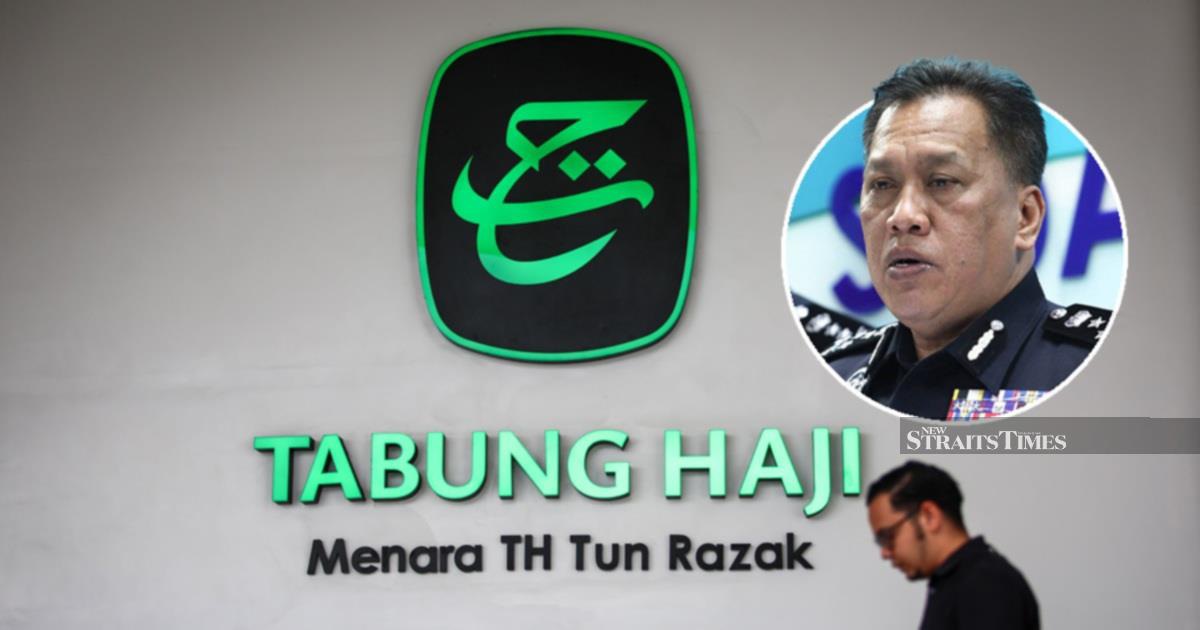
The Royal Malaysian Police have deepened their investigation into Lembaga Tabung Haji by recording statements from 134 witnesses, with efforts accelerating recently through the addition of ten new interviewees. The expanded inquiry reflects the seriousness with which authorities are treating the failings uncovered by the Royal Commission of Inquiry into Malaysia's largest hajj pilgrimage fund manager, whose mismanagement has become a cause of widespread concern among pilgrims and the public.
Tabung Haji serves as the custodian of savings for approximately 1.8 million Malaysian pilgrims preparing for their sacred journey to Mecca. The institution's cardinal responsibility is safeguarding these deposits with meticulous care, yet the RCI investigation exposed significant governance gaps and investment decisions that left the fund substantially depleted. The commission's report painted a troubling picture of institutional oversight failures that reverberated across Malaysia's Muslim community, triggering urgent calls for accountability and systemic reform.
The police inquiry has now transcended the preliminary stages, moving into intensive interrogation of individuals connected to Tabung Haji's operations, decision-making processes, and financial management. Among the 134 witnesses already providing statements are former and current board members, senior management officials, investment advisors, and other personnel whose actions or inactions may have contributed to the fund's deterioration. Each statement adds layers of detail to the emerging narrative of what transpired within the organisation's corridors.
The recent recruitment of ten additional witnesses signals that investigators have identified fresh leads or determined that certain individuals not initially prioritised require formal questioning. This expansion suggests the investigation remains fluid, with police following documentary evidence and cross-referencing earlier testimonies to identify gaps or inconsistencies. Such methodical approaches are standard in complex white-collar crime investigations where establishing a clear chain of responsibility often requires extensive witness corroboration.
For Malaysian pilgrims who have entrusted their funds to Tabung Haji for decades, this investigation carries profound personal significance. Many view their hajj savings as sacred deposits held in trust by a public institution, making the apparent mismanagement particularly painful. The police inquiry therefore serves not merely as a legal procedure but as a mechanism for restoring public confidence in one of Malaysia's most culturally significant financial institutions.
The RCI's findings have already illuminated various concerning patterns, from questionable property investments and share purchases to governance structures that concentrated decision-making authority without adequate checks. These findings now form the investigative roadmap for police, who must translate the commission's conclusions into potential criminal charges. The difference between administrative failings identified by the RCI and prosecutable criminal offences lies in establishing intent, knowledge, and breach of fiduciary duty—elements that witness statements help establish.
From a legal standpoint, the investigation must navigate complex questions around personal accountability. Whether individual decision-makers acted with deliberate misconduct, gross negligence, or merely exercised poor judgment becomes crucial in determining whether charges merit the criminal courts. Simultaneously, investigators must establish corporate responsibility and whether the institution itself failed in its duties to pilgrims whose savings it held.
The significance of this inquiry extends beyond Tabung Haji itself, resonating across Malaysia's regulatory landscape. The case has prompted serious reflection on oversight mechanisms for state-linked institutions managing public funds. Other government-linked companies and statutory bodies are likely watching this investigation closely, recognising that inadequate governance now carries tangible legal consequences for their executives.
Investigators face considerable complexity in mapping financial flows across Tabung Haji's various investment portfolios and understanding the rationale, approval processes, and outcomes of significant decisions. Witness statements provide human context to documentary evidence, helping establish whether decisions were informed by proper due diligence or reflected recklessness regarding fiduciary obligations. The accumulation of 134 statements represents months of painstaking investigative labour.
The police investigation also maintains the momentum of public accountability that the RCI investigation initiated. While the commission's work has concluded, the police inquiry extends the process of justice and restitution, offering potential remedies for the institution and its account holders. Public attention remains heightened, ensuring that the investigation proceeds without the quiet stagnation that sometimes characterises delayed follow-up inquiries.
Looking ahead, these witness statements will likely form the foundation for prosecutorial decisions regarding which individuals face formal charges. The police must then prepare comprehensive case files for submission to the Attorney General's Chambers, which will determine whether criminal proceedings are warranted. For Malaysia's hajj fund participants, the completion of this investigative phase represents a critical juncture toward formal justice.

