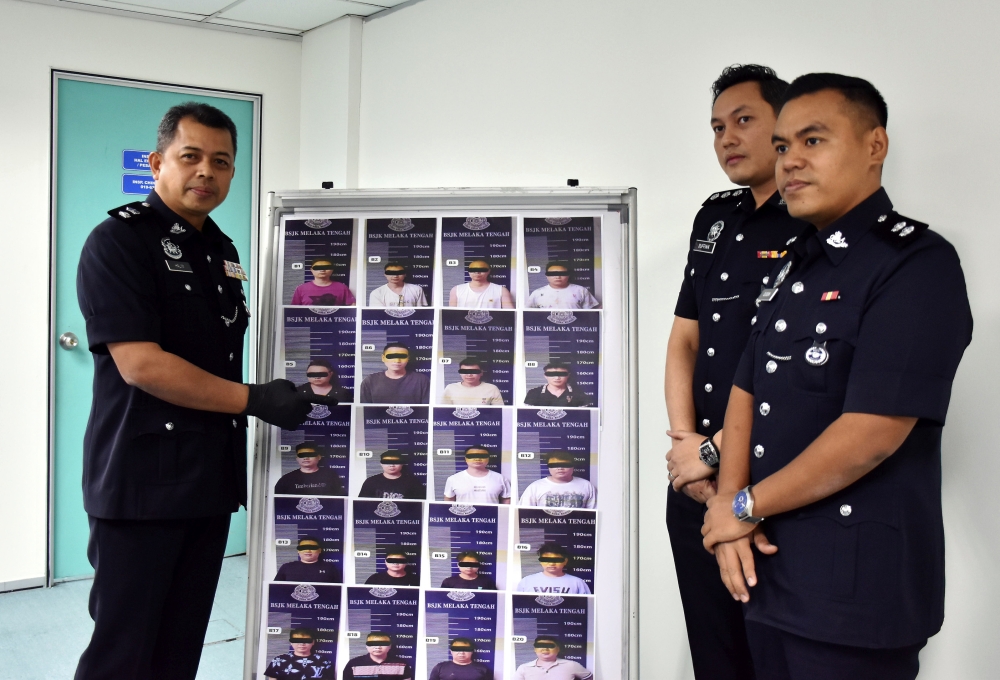
Law enforcement in Melaka has successfully dismantled what investigators describe as a well-organised fraudulent investment operation, with police arresting 21 Chinese nationals implicated in the scheme. The bust represents the latest in a series of significant crackdowns on cross-border financial crime rings that have increasingly targeted Malaysian consumers in recent months.
The alleged syndicate operated by luring potential investors with promises of substantial returns on investment products that did not exist. Authorities believe the network exploited the growing appetite for alternative investment opportunities among middle-class Malaysians seeking higher yields than those offered by conventional banking institutions. The deception operated across multiple communication channels, utilising social media platforms and messaging applications to build false credibility and maintain contact with their targets.
Investigators revealed that the operation employed sophisticated tactics commonly associated with international fraud networks. Members of the group assumed false identities and presented fabricated credentials to establish trust with victims. They provided counterfeit documentation purporting to prove the legitimacy of their investment vehicles, complete with professional-looking prospectuses and falsified regulatory approvals that mimicked genuine financial authority endorsements.
The scale of financial loss incurred by victims has not yet been fully quantified, though preliminary investigations suggest that hundreds of thousands of ringgit may have been fraudulently transferred to accounts controlled by the syndicate. The actual number of victims likely extends beyond what police have currently identified, as many individuals may not yet have realised the extent of their financial loss or may fear reporting crimes they feel embarrassed to have fallen victim to.
This case reflects a broader regional challenge facing Malaysian authorities as cross-border criminal networks continue to exploit inadequate coordination between law enforcement agencies in neighbouring countries. China-based fraud operations targeting Southeast Asian nationals have proliferated in recent years, taking advantage of language familiarity and cultural understanding to build credibility. Malaysian authorities have previously expressed concern about the difficulty in pursuing legal action against foreign nationals once they return to their home countries.
The timing of this operation underscores the heightened scrutiny Malaysian law enforcement has placed on investment fraud following several high-profile cases that damaged public confidence in informal investment channels. The Royal Malaysia Police have allocated additional resources to financial crime units, recognising that as digital literacy increases, so too does the sophistication of schemes designed to exploit it. The arrest of such a large coordinated group suggests authorities have developed improved intelligence capabilities in tracking organised fraud networks.
For Malaysian investors, the incident serves as a cautionary reminder about the dangers of investment opportunities offering unusually high returns without transparent underlying assets or verified regulatory oversight. Many victims of such schemes report that they were influenced by testimonials from apparent previous investors and pressure tactics suggesting limited availability of the investment opportunity. These psychological manipulation techniques prove highly effective, particularly among individuals lacking sophisticated financial knowledge or those desperate to supplement their retirement savings.
The investigation process will likely involve extensive cooperation with Chinese authorities and Interpol to trace the movement of funds through banking channels and to identify the ultimate beneficiaries of the fraud. Malaysian financial institutions have implemented enhanced monitoring systems to detect suspicious transaction patterns that might indicate investment fraud schemes, though the adaptation of criminal methodologies continues to outpace regulatory responses.
Moving forward, this case will inform ongoing discussions between Malaysian regulatory authorities and the Securities Commission regarding how to better protect retail investors from fraudulent schemes whilst maintaining a competitive environment for legitimate investment products. Public education campaigns about recognising investment fraud indicators remain insufficient, with many Malaysians still vulnerable to social engineering tactics employed by sophisticated criminal organisations.
The successful dismantling of this syndicate demonstrates the capacity of Malaysian law enforcement to identify and arrest organised fraud networks, though sustained success will require continued investment in financial investigation resources and closer international cooperation mechanisms. As international fraud operations continue to evolve, Malaysia's position as a hub for regional commerce makes it both an attractive target for criminal networks and a critical battleground in efforts to combat transnational financial crime affecting Southeast Asian populations.

