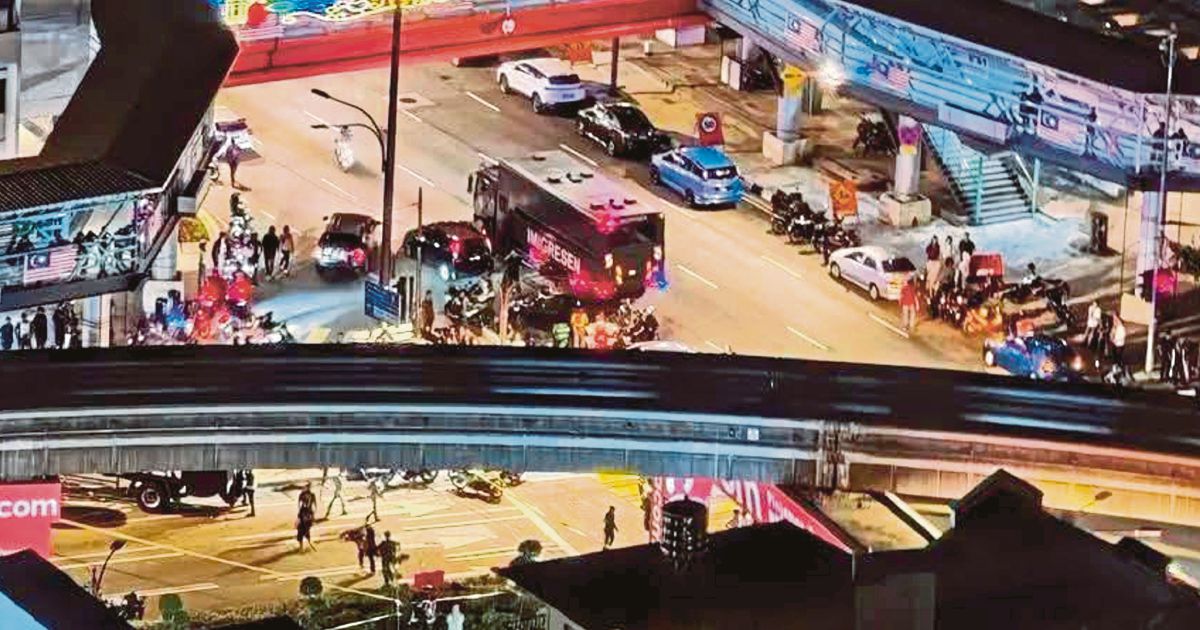
Authorities in Kuala Lumpur have launched a detailed forensic examination of video evidence captured at the scene of a devastating road accident that claimed three lives, including two young children, after a lorry operated by the Immigration Department struck their vehicle on Jalan Sultan Ismail in the early hours of yesterday morning. The investigation represents a significant undertaking for police investigators, who are methodically reviewing both dashcam recordings and footage from fixed surveillance cameras installed along the busy corridor to piece together the sequence of events that preceded the collision.
The tragedy has highlighted the continuing dangers posed by heavy vehicles navigating congested urban areas, particularly during the early morning hours when visibility and driver alertness can be compromised. The fact that the vehicle involved belonged to a government department has also drawn considerable public attention to the incident, raising questions about vehicle maintenance standards, driver training protocols, and operational procedures within government transport divisions. Such high-profile accidents involving state-owned vehicles invariably prompt scrutiny of departmental safety practices and accountability measures.
Investigators are paying particular attention to the video evidence in their efforts to establish the precise circumstances leading to the fatal impact. Dashcam footage, which would provide a perspective from other vehicles on the road at the time, is considered especially valuable in determining factors such as vehicle speed, warning signs, and the actions of other motorists immediately before and during the collision. Fixed CCTV systems along Jalan Sultan Ismail, a major arterial route through the capital, are expected to provide additional temporal context and multiple viewing angles of the incident.
The use of multiple video sources is a standard investigative approach in Malaysia's road accident cases, enabling authorities to cross-reference timelines and identify contributing factors with greater precision than would be possible from eyewitness accounts alone. Video evidence also provides courts with objective data should the matter proceed to litigation, making it an essential component of both the investigation and any subsequent legal proceedings. The meticulous analysis of such footage can take weeks or even months, particularly when multiple video sources must be synchronised and examined frame by frame.
The loss of a parent and two dependent children in a single incident represents an exceptionally tragic outcome that will resonate deeply within affected communities and among road safety advocates across Malaysia. Such fatalities underscore the vulnerability of private vehicles when involved in collisions with substantially larger and heavier commercial or government transport vehicles. The disparity in mass and protective design between passenger cars and heavy trucks means that occupants of smaller vehicles face disproportionate injury and fatality risks in such accidents, a well-documented phenomenon in traffic safety studies.
For the Immigration Department, this incident is likely to trigger broader institutional reviews of its vehicle fleet operations, maintenance schedules, and driver accountability systems. Government agencies operating heavy vehicles face heightened public and media scrutiny following fatal accidents, with stakeholders increasingly demanding transparent explanations and confirmation that appropriate measures will be implemented to prevent recurrence. The department may face calls for third-party audits of its transport management practices, particularly regarding driver rest period compliance and vehicle condition inspections.
Road safety experts in Malaysia have consistently flagged the risks associated with heavy vehicle operations in urban areas, particularly regarding driver fatigue, inadequate vehicle spacing, and the absence of advanced safety systems that might prevent collisions through automatic braking or collision avoidance technology. Many commercial and government vehicles operating in Malaysia lack modern safety equipment now standard in developed countries, a situation exacerbated by varying regulations across states and the typically high costs of retrofitting existing fleets with advanced technology.
As police continue their analytical work on the video evidence, families and communities affected by this tragedy will await answers about how such a preventable loss could occur on one of the country's busiest urban corridors. The investigation's findings will likely inform discussions within government transport agencies, the Road Transport Department, and relevant parliamentary oversight committees about whether current safety standards are adequate and what legislative or operational changes might be necessary.
The detailed examination of dashcam and CCTV footage represents the most objective way forward in understanding what happened on Jalan Sultan Ismail, and police have appropriately prioritised this methodical video analysis over rushed conclusions. Once the investigation concludes, the evidence will help provide the affected families with some understanding of the circumstances surrounding this tragedy, while potentially contributing to broader road safety improvements that might help prevent similar incidents in the future. Until then, authorities and the public await the findings of what promises to be a thorough and technically sophisticated investigation into this devastating collision.

