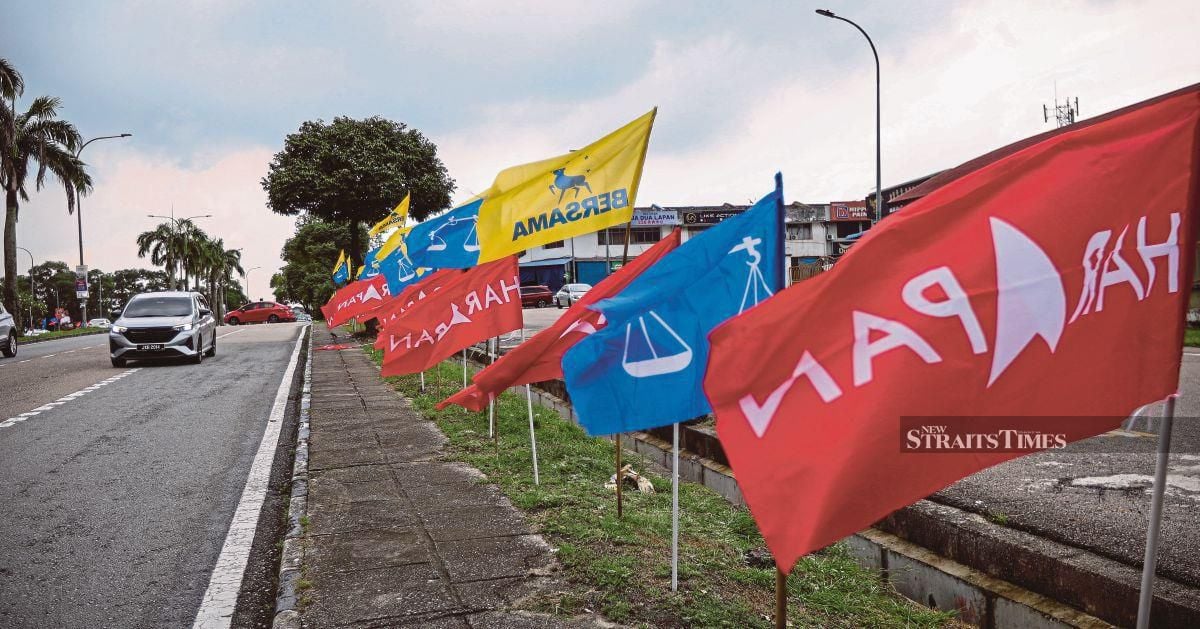
Law enforcement authorities in Johor have opened 18 investigation papers following allegations of election violations that emerged during the campaign phase of the state's 16th general election. The police received a total of 56 reports relating to potential breaches of electoral regulations throughout the campaign period, which spanned from July 27 through to the eve of polling day. This action underscores the heightened scrutiny that Malaysian elections continue to face as authorities attempt to safeguard the integrity of the democratic process at the state level.
The decision to formally investigate less than one-third of reported incidents suggests that law enforcement personnel conducted preliminary assessments of the complaints received, filtering out cases that may have lacked sufficient evidence or fell outside the jurisdiction of electoral offence statutes. The disparity between the total number of reports and the number of investigation papers opened reflects standard police procedures, wherein officers evaluate the credibility and substantive merit of allegations before committing resources to full-scale inquiries. This proportional response indicates a measured approach to addressing electoral misconduct rather than a blanket investigation of every complaint lodged by the public or election monitors.
Election offences in Malaysia can encompass a wide range of prohibited activities, including unlawful campaigning in designated zones, distribution of misleading campaign materials, bribery of voters, intimidation at polling stations, and violations of campaign spending limits. The variety of alleged transgressions captured in these 56 reports likely reflects the complex terrain of modern electoral campaigns, where digital communication, grassroots mobilisation, and traditional outreach methods intersect. For Malaysian voters and political observers, the enforcement of these regulations remains crucial to ensuring that electoral outcomes reflect genuine public preference rather than being distorted by rule-breaking by any political faction.
Johor's 16th state election represents a significant political event within Malaysia's federal structure, as the state has long been a bastion of political influence and economic importance. The conduct of elections in Johor therefore carries implications that extend beyond state boundaries, potentially affecting the political dynamics of the wider nation. Election observers and civil society groups have increasingly scrutinised campaign practices across Malaysia, and the formal investigation of electoral offences in Johor aligns with growing institutional attention to maintaining democratic standards. The opening of 18 investigation papers signals that police took substantive allegations seriously, though the eventual outcomes of these probes remain to be determined.
The timing of these investigations falls within a broader pattern of Malaysian electoral management, where regulatory agencies and law enforcement bodies attempt to balance the protection of fair competition with respect for political parties' rights to campaign. The Election Commission and police coordination on such matters has evolved in recent years as Malaysia's democracy has matured and stakeholder expectations for transparency and accountability have risen. For Southeast Asian observers, Malaysia's approach to monitoring election conduct offers a case study in how democratic institutions can enforce electoral rules amid the pressures and complexities of modern political contests.
The investigation papers opened by police will likely involve interviews with complainants, examination of documentary evidence, and potentially statements from individuals or representatives of political parties accused of violations. Depending on the nature and severity of alleged offences, some cases may result in formal charges being filed with the courts, while others may conclude with advisory warnings or be closed without further action. This investigative process typically unfolds over weeks or months, meaning that the eventual accountability measures will emerge well after the election results have been officially declared and new state representatives have assumed office.
For political parties contesting the Johor election, the existence of these investigations serves as a reminder that campaign conduct remains subject to legal constraints and official scrutiny. While campaigns are inherently competitive and sometimes contentious affairs, the regulatory framework seeks to prevent activities deemed to undermine electoral fairness. Malaysian voters, meanwhile, may view the opening of investigation papers as evidence that authorities are taking their concerns about electoral integrity seriously, though sceptics might question whether enforcement mechanisms adequately deter or punish violations committed by well-resourced political organisations.
The 56 reports received by police encompass complaints that may have originated from multiple sources: political rivals, election monitors, members of the public who witnessed alleged violations, or formal complaints lodged by the Election Commission itself. The diversity of complaint sources reflects the distributed nature of election monitoring in Malaysia, where no single body possesses complete visibility into all campaign activities occurring across a large state simultaneously. Public vigilance and whistleblowing therefore remain important components of the electoral oversight ecosystem, complementing official regulatory mechanisms.
As investigations proceed, the eventual outcomes will contribute to a record of enforcement actions taken during the 16th Johor election campaign. This record may inform discussions about the effectiveness of current electoral regulations and whether amendments to laws or enforcement procedures are warranted. Malaysian policymakers and election administrators regularly review the functioning of the electoral system, and actual cases of alleged violations and their resolution provide valuable data for such deliberations. The results of these 18 investigations could therefore carry implications for how elections are conducted and regulated in Johor and potentially across Malaysia in future electoral cycles.

