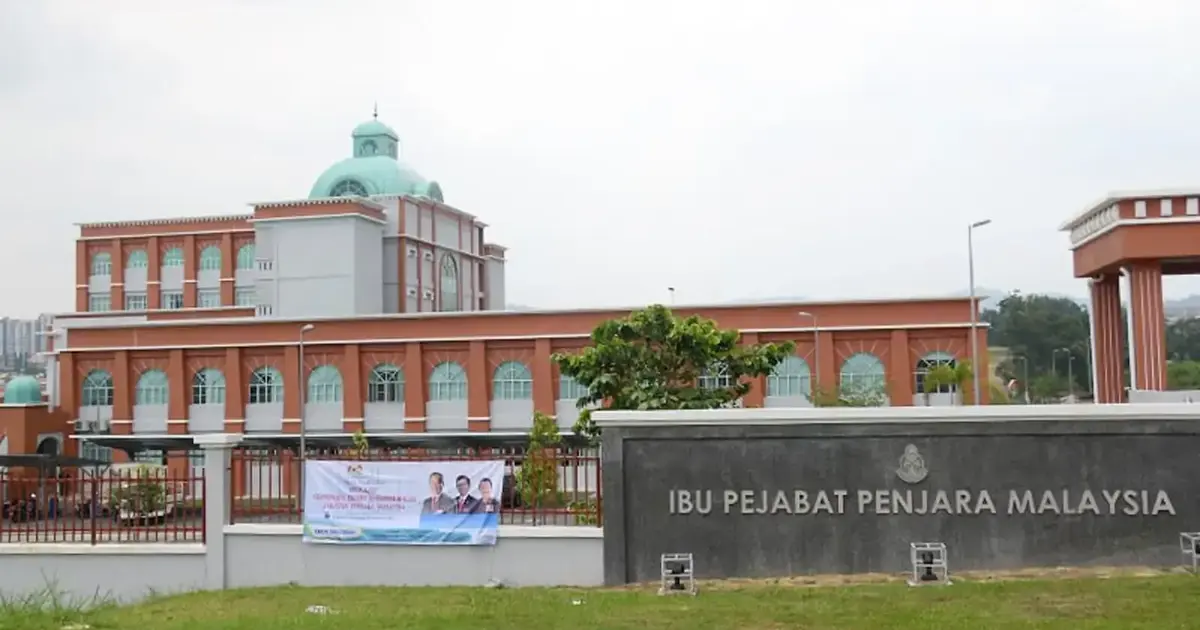
Law enforcement authorities have initiated an investigation into the circumstances surrounding a death that occurred while a person was in custody, as well as accompanying claims of abuse that have been brought to public attention by Suaram, a prominent human rights monitoring organisation. The development represents a significant moment for transparency in Malaysia's custodial system, with the enquiry potentially illuminating conditions and practices within detention facilities that have long attracted scrutiny from civil society organisations.
Suaram's involvement in highlighting these allegations underscores the ongoing role played by independent watchdog groups in documenting concerns about treatment within Malaysian detention centres. The organisation, which has established itself over decades as a persistent voice advocating for detainee welfare and accountability, has consistently pressed for greater oversight of law enforcement and correctional procedures. The timing and nature of these particular allegations suggest systemic questions about safeguards that extend beyond a single incident.
The prisons department has moved to reassure stakeholders by publicly announcing its complete cooperation with the investigative process. This statement reflects an institutional commitment to transparency, at least in formal terms, and signals that custodial authorities recognise the gravity of the allegations and the imperative for impartial examination. The department's readiness to facilitate inquiries may also reflect awareness that public confidence in detention facilities depends significantly on demonstrable willingness to submit to external scrutiny when serious allegations arise.
In-custody deaths invariably raise profound questions about adequacy of medical care, security protocols, and the physical conditions to which detainees are subjected. Each such incident carries potential implications for broader systemic review, as investigators typically examine not merely the immediate circumstances of a particular death but also underlying practices and oversight mechanisms. For Malaysia's detention infrastructure, such investigations can serve as catalysts for policy evaluation and operational adjustments.
The conjunction of a death allegation with separate abuse claims adds layers of complexity to the enquiry. While deaths in custody may sometimes result from medical conditions or accidents, accompanying abuse allegations suggest a pattern of concern that warrants comprehensive examination rather than isolated incident management. This combination has historically prompted human rights bodies to call for wider institutional reform beyond the specific case at hand.
For Malaysian citizens and regional observers, such investigations represent critical moments in assessing the quality of governance and the state's capacity for self-correction. Public interest in how authorities handle allegations of this nature reflects legitimate concerns about due process, detainee protection, and institutional accountability. The manner in which these investigations proceed and conclude will inevitably shape perceptions of Malaysia's commitment to human rights standards.
The prisons department's explicit caution against public speculation, while understandable from an investigative standpoint, also reflects sensitivity about the reputational dimensions of such cases. Detention facilities operate as spaces largely removed from public view, and allegations emerging from these environments often generate significant public concern and media attention. Managing the narrative while facts are being established presents a delicate balance between transparency and investigative integrity.
Suaram's role in bringing these matters forward continues a longstanding Malaysian tradition of civil society advocacy in human rights domains. The organisation's willingness to raise custody-related concerns publicly demonstrates the functioning of democratic space for activist engagement, even as it reflects underlying structural concerns about detention environments that prompted the investigation in the first place. This dynamic—where independent groups identify issues and authorities respond through formal investigation—represents one established mechanism through which governance accountability operates.
The investigation's outcomes will carry implications extending beyond the immediate case. Findings regarding medical care standards, security practices, or investigative procedures in detention facilities could influence policy discussions within the prisons department and broader law enforcement agencies. Additionally, depending on investigative conclusions, the case may prompt discussion within civil rights circles, media commentary, and parliamentary oversight forums about systemic improvements to safeguarding detainee welfare.
Regionally, Malaysia's handling of in-custody death investigations and abuse allegations is watched by counterpart nations and international human rights monitoring bodies. ASEAN countries face varied levels of international and domestic scrutiny regarding custodial practices, and Malaysia's responsiveness to these specific allegations contributes to its human rights standing within the region. Thoroughness and transparency in investigating serious allegations serve to reinforce institutional credibility across Southeast Asia's governance landscape.
As the investigation progresses, the extent to which findings are made public, the comprehensiveness of the enquiry, and any subsequent institutional responses will indicate how seriously authorities regard the allegations and their commitment to preventing similar incidents. For Suaram and other watchdog organisations, these investigations represent opportunities to advocate for concrete improvements in detention standards and oversight mechanisms that extend beyond individual case resolution to systemic strengthening.

