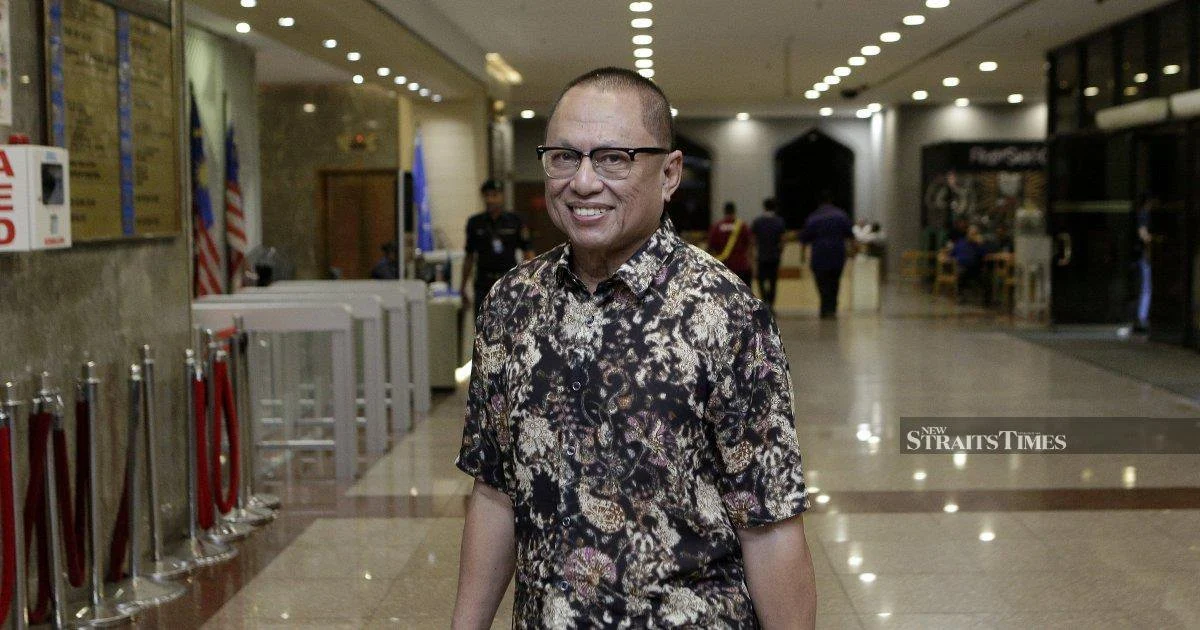
A formal police investigation has been triggered following an unprecedented wave of 153 complaints filed nationwide against former Umno veteran Datuk Dr Mohd Puad Zarkashi, centring on remarks he reportedly made across social media platforms. The investigation, which commenced in response to the widespread filing of reports, signals the gravity with which authorities are treating the matter and underscores growing public concern over the nature of the allegations involved.
The filing of such a large volume of reports in a single day reflects a coordinated public response or grassroots movement against the former Umno figure. Puad Zarkashi, a prominent figure within the United Malays National Organisation and a respected voice in Malaysian political circles, now finds himself at the centre of a controversy that has captured nationwide attention. The sheer scale of the complaints suggests the statements in question have triggered significant reaction across diverse communities and demographic groups throughout the country.
While specific details about the precise content of the alleged remarks remain subject to the ongoing investigation, the reports appear to relate to statements made through digital channels where public discourse increasingly takes place. In Malaysia's contemporary political landscape, social media has become a critical battleground for opinion-shaping and narrative-building, making statements posted on such platforms particularly consequential. The decision to lodge formal police complaints indicates that individuals believed the remarks crossed legal or ethical thresholds warranting official action.
The investigation represents another chapter in the broader scrutiny that Malaysian political figures face regarding their public statements and online conduct. As political divisions within Umno have grown more pronounced in recent years, statements by veteran party members have attracted heightened attention from supporters and critics alike. Puad Zarkashi's position as a respected elder statesman within the party meant his comments carried particular weight and potential influence over party members and sympathetic voters.
For Malaysian governance and public discourse, this case underscores the tension between freedom of expression and safeguarding societal harmony. The police investigation will need to determine whether the alleged statements constituted protected political speech or crossed boundaries set by Malaysian law. This distinction has proven contentious in other recent cases involving political figures, where courts and authorities have grappled with delineating appropriate boundaries in an increasingly polarized political environment.
The widespread filing of complaints also reflects growing public engagement with accountability mechanisms. Citizens are increasingly willing to utilise formal reporting channels to challenge statements by public figures that they perceive as problematic. This represents both a positive development in terms of civic participation and a potential source of concern regarding coordinated campaigns that may not reflect genuine grassroots concern but rather organized political activity by rival factions.
Umno's internal dynamics add another layer of complexity to this situation. The party has experienced significant fractures in recent years, with various factions competing for influence and direction. Statements by senior party figures thus carry implications beyond their immediate content, potentially signalling broader factional positions within the party machinery. The investigation may reveal divisions within Umno's ranks regarding acceptable discourse and political strategy going forward.
From a Southeast Asian perspective, Malaysia's handling of this case will be observed closely by neighbouring countries grappling with similar questions about online political speech and social media governance. The region has witnessed escalating tensions surrounding digital political discourse, making how Malaysian authorities navigate this investigation potentially instructive for the broader region. The outcome could influence how political actors across Southeast Asia approach social media communication and public statements.
The investigation also carries implications for Malaysian political discourse more broadly. How authorities handle this case will signal the boundaries of acceptable political speech in the current environment and may influence whether other political figures feel emboldened or constrained in their public expressions. This has downstream effects on the quality and tenor of political debate during an era when Malaysia faces significant policy challenges requiring robust democratic engagement.
For Puad Zarkashi personally, the investigation represents a significant challenge to his political legacy and reputation. As a respected party elder and intellectual voice within Umno, being subject to such widespread complaints and police investigation may affect his influence within party councils and public standing. The manner in which he responds to the investigation and any legal proceedings that follow could shape perceptions of his role in Malaysian politics going forward.
The coming weeks will be critical as police conduct their inquiry and prosecutors determine whether charges are warranted. The investigation's progress will likely continue generating public commentary and factional debate within Umno. Ultimately, how this situation concludes will contribute to evolving understandings of political accountability, free speech boundaries, and the role of law enforcement in mediating political disputes within Malaysian society.

