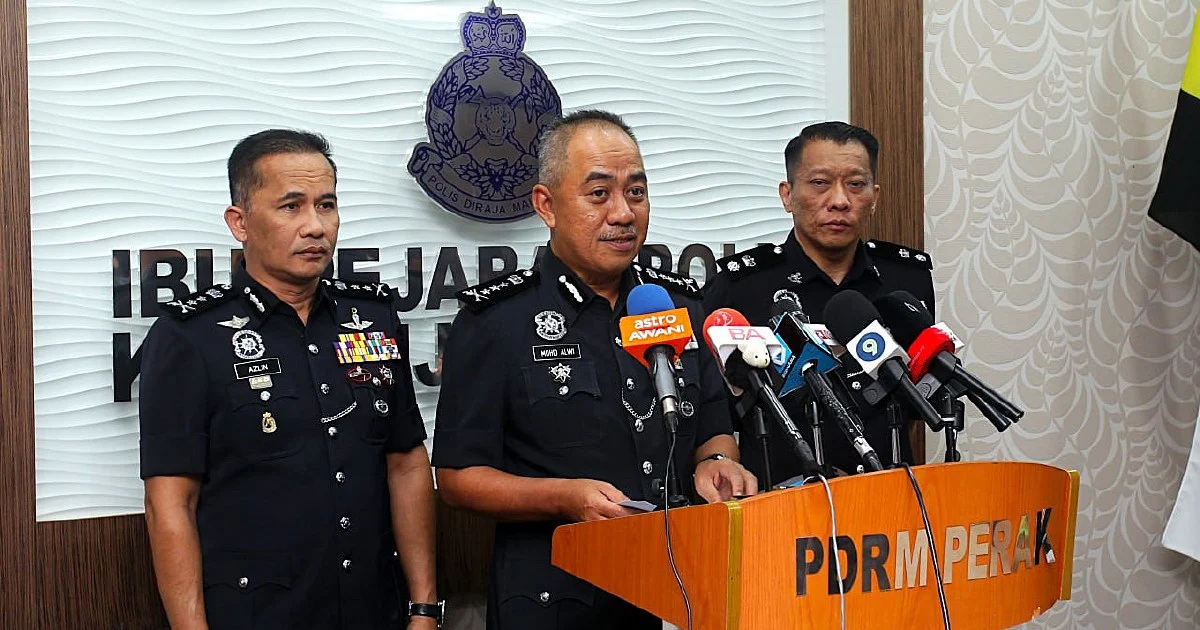
Police in Ipoh have made five arrests in connection with an organised fraud operation that exploited elderly residents through counterfeit scratch-and-win lottery schemes. The syndicate allegedly extracted more than RM77,000 in combined valuables from two senior women in separate schemes conducted across Ipoh and Taiping, marking another chapter in the troubling pattern of age-targeted financial crimes plaguing Malaysian communities.
The nature of scratch-and-win scams has evolved considerably in recent years, morphing from simple street-level confidence tricks into sophisticated, coordinated operations involving multiple perpetrators and elaborate backstories designed to bypass the natural caution of older victims. These schemes typically begin innocuously, with targets receiving notification that they have won a prize in a lottery or lucky draw they may not have entered, creating an unexpected windfall narrative that triggers emotional decision-making rather than rational scrutiny.
Victims of such schemes are frequently persuaded to provide what perpetrators frame as "processing fees" or "tax payments" required to claim their supposed winnings. The criminals maintain pressure through a series of escalating demands, each justified by false explanations about administrative costs, guarantee deposits, or government levies. What distinguishes these operations from individual con artists is their systematic approach: multiple operators play different roles, from the initial contact person to the authority figure who validates the legitimacy of the prize claim, each performing a rehearsed part in the deception.
The targeting of elderly individuals in this case reflects a calculated strategy by organised crime groups, who recognise that seniors often possess accumulated savings, jewellery collections, and real estate equity that younger demographics might lack. Beyond financial vulnerability, older persons may have reduced familiarity with modern digital fraud tactics and communications methods, placing them at heightened risk. The emotional appeal of unexpected good fortune can also override the scepticism that might otherwise surface during interactions with strangers requesting money or valuables.
The Perak Police Criminal Investigation Department's success in identifying and apprehending five individuals suggests that this was not an opportunistic operation by casual fraudsters, but rather an established network with defined membership and operational protocols. The geographic spread across Ipoh and Taiping indicates either a mobile operation or members stationed at different locations to maintain distance from their victims and complicate investigative efforts. Such structural arrangements are typical of syndicates that operate across multiple districts, allowing them to expand their victim base while minimising detection risks through geographic displacement.
Cases of this magnitude carry broader implications for community safety and social cohesion in Malaysia. When elderly residents become targets of coordinated fraud operations, the downstream effects extend beyond individual financial loss. Affected seniors may experience trauma, damaged family relationships as relatives discover the financial exposure, and reduced trust in institutions that should protect them. The psychological impact often exceeds the monetary loss, as victims grapple with embarrassment and fear of repeated victimisation.
Authorities have consistently flagged lottery and lucky draw scams as among the most prevalent financial crimes affecting vulnerable populations nationwide. The Bukit Aman Fraud and Scam Investigation Division reports increasing sophistication in these schemes, with criminals leveraging WhatsApp, SMS messaging, and phone calls to create a veneer of legitimacy. Some variants incorporate seemingly official documentation bearing government logos or bank identifiers, further convincing victims of the legitimacy of their supposed prize.
The arrests in Perak provide a timely reminder of the importance of protective education targeting seniors themselves, their family members, and community organisations serving older populations. Awareness campaigns emphasising that legitimate prize draws never demand payment before prize collection, and that unsolicited notifications of winnings should trigger immediate suspicion, have proven effective in reducing victimisation rates in other jurisdictions. Banking institutions and telecommunications companies operating in Malaysia have roles to play through transaction monitoring systems designed to flag unusual cash withdrawals or fund transfers by elderly account holders that might indicate fraud.
The investigation now moves into the prosecution phase, where evidence will be examined and charges formalised. Authorities will likely pursue charges under the Penal Code provisions addressing cheating and fraud, possibly enhanced by charges related to organised crime activities if the syndicate structure is substantiated. Sentencing outcomes in such cases frequently draw considerable public attention, as they signal the courts' approach to protecting vulnerable populations from coordinated criminal enterprises.
Malaysian police have been progressively enhancing their capacity to address scam networks through dedicated fraud units and inter-agency coordination with banking regulators and telecommunications authorities. However, the continued emergence of new schemes and the adaptability of criminals suggest that law enforcement alone cannot solve this challenge. A comprehensive approach combining investigation, prosecution, community education, institutional safeguards, and family vigilance remains essential to protect Malaysia's growing elderly population from sophisticated financial predation.