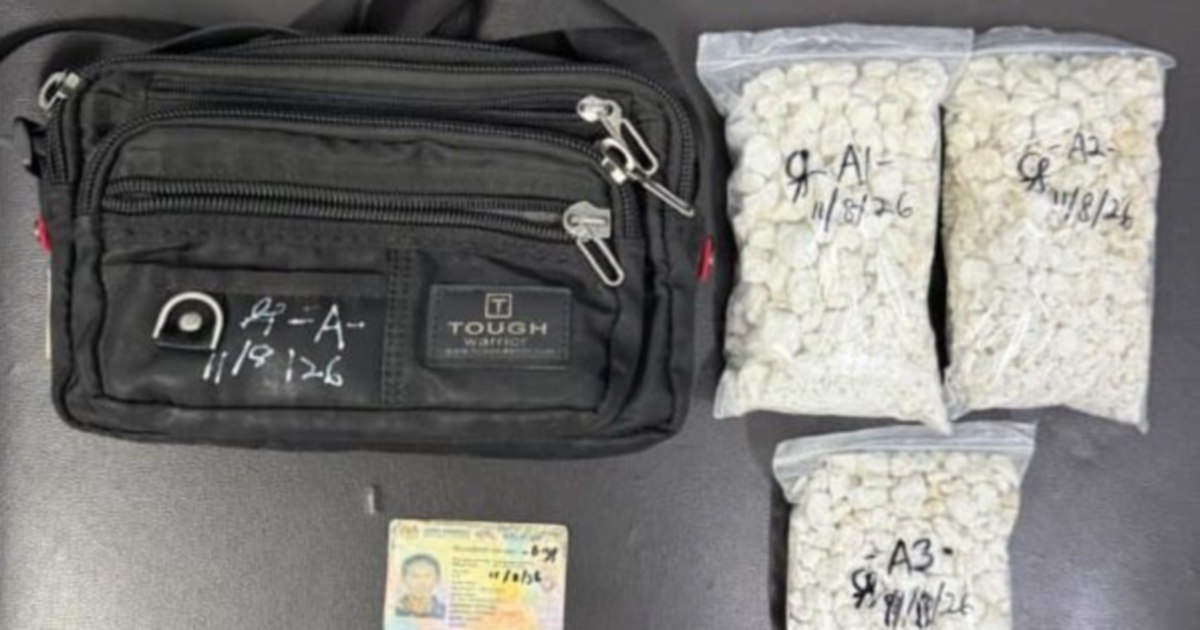
Law enforcement officials in Kluang district have dismantled a significant drug cache after executing a pre-dawn narcotics operation that culminated in the arrest of a middle-aged suspect in Simpang Renggam. The seized substance, weighing 1.055 kilogrammes and believed to be heroin, carries an estimated street value of RM10,128. The apprehension of the 42-year-old man represents another chapter in ongoing efforts by police to curb the distribution of hard drugs across Johor's communities.
The timing of the raid, conducted in the early hours, reflects a deliberate tactical approach commonly employed by narcotics teams to maximize the element of surprise and minimise resistance. Early-morning operations have proven particularly effective in drug interdiction work, as they typically catch suspects at their most vulnerable and least prepared to dispose of evidence or flee. This particular operation's success underscores the value of sustained intelligence work and coordinated planning within the state's drug enforcement divisions.
Simpang Renggam, a locality in the Kluang district, has been the focus of heightened police attention in recent years as authorities work to address drug trafficking networks operating throughout Johor. The state, strategically positioned along major transportation corridors linking Peninsular Malaysia with Singapore and broader regional markets, remains a critical battleground in the nation's broader war against narcotics. Criminal syndicates have historically exploited the area's geographic advantages and logistical infrastructure, making targeted operations such as this one essential components of law enforcement strategy.
The street value assigned to the seized heroin provides context for understanding the scale of this particular trafficking operation. At RM10,128, the haul represents a meaningful volume of drugs that would have circulated within local communities, potentially affecting dozens or even hundreds of users and perpetuating broader cycles of addiction and associated crime. Each kilogramme of heroin seized represents prevention of numerous smaller transactions that sustain street-level drug markets and their attendant social harms.
The 42-year-old detainee now faces investigation and potential prosecution under Malaysia's strict drug laws, which impose severe penalties for possession with intent to distribute. The nation's narcotics legislation, among the world's most stringent, reflects the government's zero-tolerance stance toward drug trafficking and its recognition of how narcotics undermine social stability, drain healthcare resources, and create cycles of poverty and criminal behaviour. Depending on the quantity involved and evidence of intent to supply, such charges can carry sentences ranging from imprisonment to more severe penalties.
Police investigations into the case will likely examine whether the arrested individual was operating independently or as part of a larger distribution network. The quantity and packaging of seized drugs often provide valuable intelligence about the sophistication of an operation, whether it represents street-level activity or higher-level trafficking involvement. Understanding the connection between this arrest and broader criminal enterprises remains a priority for narcotics investigators seeking to map supply chains and identify upstream suppliers.
This operation reflects the Royal Malaysia Police's continued commitment to drug enforcement, an area that consumes considerable resources and personnel across the country's police forces. The Johor contingent, operating within the jurisdiction of the Bukit Aman headquarters structure, manages multiple concurrent investigations and interdiction efforts across a state that encompasses critical transport nodes and urban centres. Success stories such as the Simpang Renggam seizure provide public evidence of these efforts, though law enforcement agencies acknowledge that even significant operations represent merely portions of the broader narcotics trade.
The implications of this bust extend beyond the immediate arrest and seizure to encompass broader public health and community safety considerations. Heroin remains one of Malaysia's most destructive drugs, fuelling addiction, overdose deaths, and transmission of blood-borne diseases within vulnerable populations. Every seizure removes drugs from circulation and, theoretically, reduces availability and accessibility to potential users within the community. Community-based rehabilitation programmes complement enforcement operations, recognising that long-term solutions to drug problems require multi-faceted approaches combining interdiction, treatment, and prevention.
For Malaysian readers and regional observers, this operation illustrates the continued vigilance required to manage transnational drug trafficking that leverages Southeast Asia's porous borders and sophisticated logistics networks. The region remains a critical nexus within global narcotics supply chains, with sophisticated criminal organisations exploiting weak points in regulatory frameworks and enforcement capabilities across multiple jurisdictions. Individual successes such as the Simpang Renggam seizure contribute incrementally to broader law enforcement efforts, though the scale of drug trade activity suggests that even large operations address only a fraction of actual trafficking volumes.

