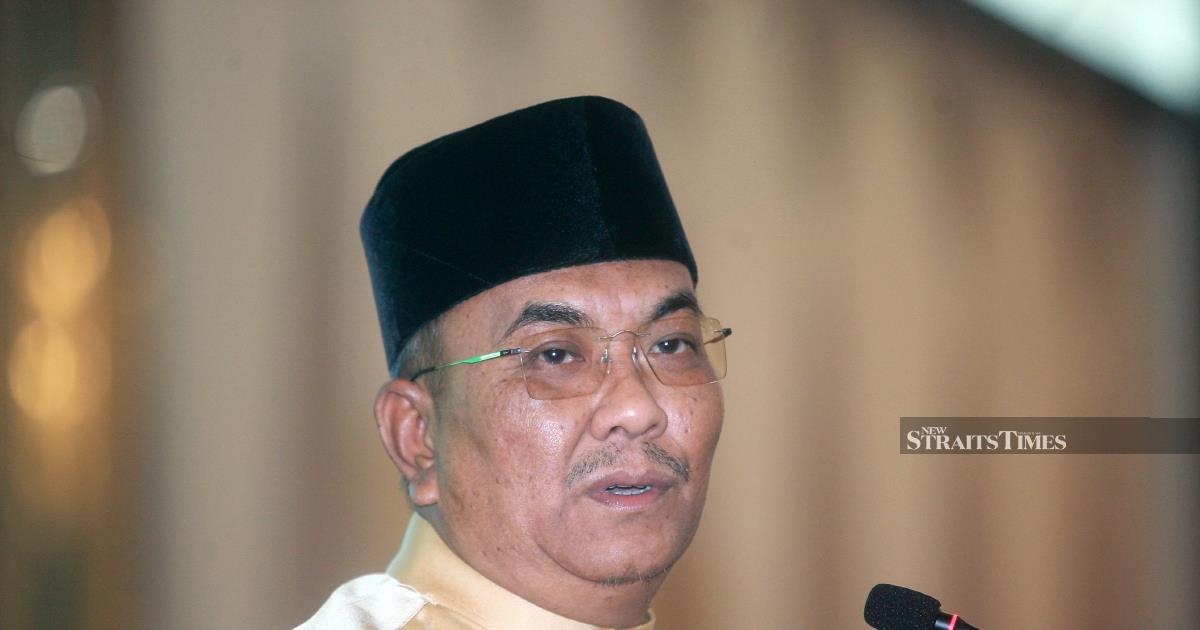
The Royal Malaysia Police have announced plans to summon Kedah Menteri Besar Datuk Seri Muhammad Sanusi Md Nor alongside a senior Umno figure from Rembau to provide statements concerning remarks each made while campaigning for the Negri Sembilan state election. The police action underscores the heightened sensitivity surrounding campaign conduct during state-level electoral contests in Malaysia, where authorities remain vigilant about potentially inflammatory or rule-breaking political messaging.
The decision to question both individuals reflects law enforcement's commitment to ensuring compliance with electoral regulations and guidelines that govern the conduct of political campaigns across the country. While specific details about the nature of the contested remarks were not immediately disclosed, such police actions typically relate to statements that may violate election commission guidelines, contain incitement, or cross boundaries established under Malaysia's election laws. The move suggests that complaints were filed with the authorities regarding the campaign utterances in question.
Muhammad Sanusi Md Nor, who leads the state government in Kedah as Menteri Besar, brings considerable political prominence to the situation given his position as head of a major state administration. His involvement in campaigning for Negri Sembilan reflects the conventional practice of prominent political leaders lending their profile and influence to assist campaign efforts in other states, particularly during closely contested elections where party support networks are mobilised nationally. The Kedah leader's presence on the campaign trail would have significantly amplified messaging efforts for his party.
The Rembau Umno representative's involvement similarly demonstrates how party machinery extends across constituency lines during state elections. Rembau, located in Negri Sembilan, is traditionally an important Umno stronghold, making party leaders from that area natural participants in state-level campaigning. The fact that both individuals face separate summonses suggests distinct statements or incidents rather than a coordinated campaign approach that transgressed regulations.
Police involvement in electoral matters operates within a framework designed to maintain public order and ensure compliance with statutory requirements governing elections in Malaysia. The Elections Commission establishes detailed guidelines covering campaign conduct, acceptable messaging, restrictions on certain types of political speech, and regulations around campaigning activities. When complaints are lodged suggesting violations, law enforcement becomes involved to investigate and determine whether guidelines have been breached.
The timing of police summonses relative to electoral periods carries particular significance in Malaysian politics. Election cycles frequently witness heightened scrutiny of campaign messaging, with both the authorities and rival political parties closely monitoring statements for potential violations. The transparency of police action in this instance—publicly announcing intentions to summon the individuals—reflects standard practice in Malaysia's relatively open electoral environment, where such matters typically receive media attention and public discussion.
For political parties operating nationally, incidents like these carry tactical implications extending beyond the immediate individuals involved. When senior party figures face police questioning over campaign conduct, it can affect party momentum, create negative headlines during critical campaign periods, and provide ammunition for opposition parties to question the legitimacy or appropriateness of contested messaging. Conversely, authorities must balance enforcement of electoral regulations against perceptions of partisan bias in policing.
The Negri Sembilan state election represents the type of competitive political contest where multiple parties and factions contest vigorously for power, making each election cycle significant for Malaysia's broader political landscape. Major parties invest substantial resources in state elections, mobilising leaders from across the country to support local campaigns. This practice creates larger sample sizes for potentially problematic statements, increasing the likelihood that some campaign utterances will be scrutinised by authorities or competitors seeking to enforce electoral compliance.
For Malaysian voters and observers monitoring electoral integrity, police involvement in investigating campaign conduct reflects institutional mechanisms designed to maintain standards and prevent abuse of campaign platforms. However, questions regarding consistency and political neutrality in enforcing electoral regulations remain constant topics of discussion within Malaysia's democratic discourse. The specific outcomes of the police questioning with both Sanusi and the Rembau Umno leader will likely set precedents or reinforce existing patterns regarding enforcement of electoral guidelines.
Regionally, Malaysia's approach to managing campaign conduct during state elections provides comparative context for neighbouring democracies managing similar challenges. South and Southeast Asia have grappled with defining appropriate boundaries for political speech during elections, balancing free expression against preventing incitement or violations of election law. Malaysia's experience offers lessons regarding institutional approaches and their effectiveness in maintaining electoral integrity while respecting political participation.
As investigations proceed, the outcomes remain to be determined regarding whether any formal charges or further action will follow the police summonses. The resolution of this matter will likely influence how political parties calibrate campaign messaging in future Negri Sembilan contexts and potentially affect broader campaign conduct standards. For the individuals involved, cooperating with police questioning represents a routine, if unwelcome, aspect of contemporary Malaysian electoral politics where campaign oversight has become increasingly formalised and transparent.

