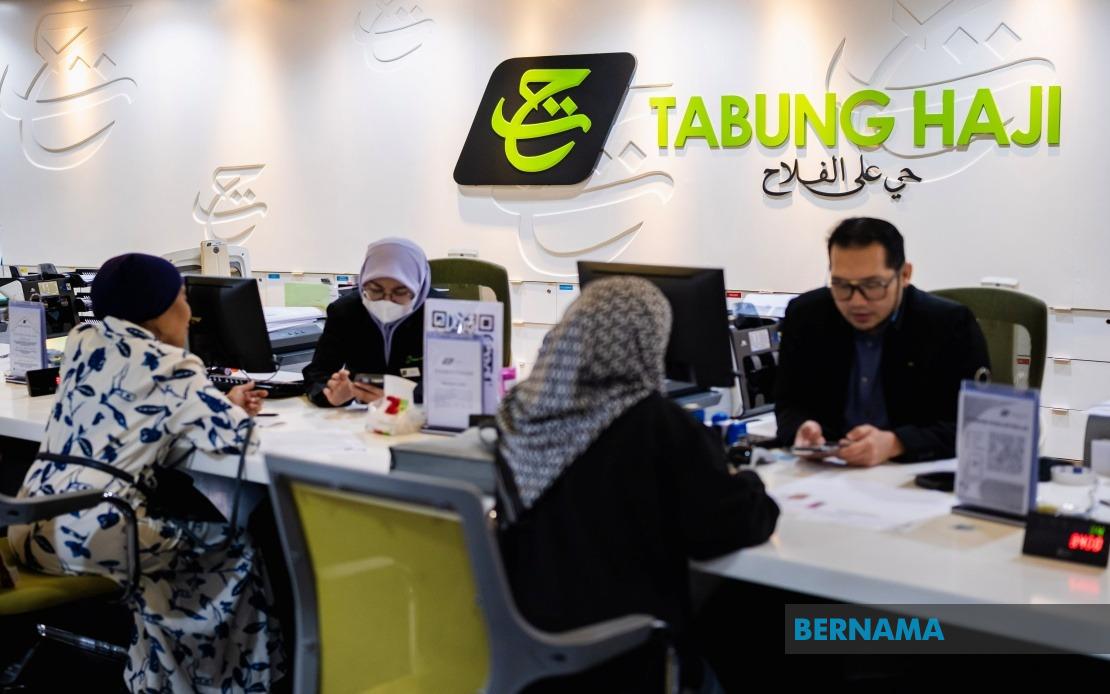
Restoring public confidence in Tabung Haji hinges on the Islamic pilgrimage savings institution decisively breaking free from political interference, according to a consensus among prominent Malaysian academics and analysts reviewing the Royal Commission of Inquiry's findings on the organisation's management. With more than three-quarters of the RCI's recommendations now implemented, experts contend that the next critical phase must eliminate the institutional entanglement between Tabung Haji's operations and political considerations that has undermined its governance and professional standards.
The near-universal view among scholars is that political meddling represents the fundamental lesson from Tabung Haji's crisis, which severely damaged an organisation with decades of experience managing Muslim savings for the hajj pilgrimage. The inquiry exposed how political appointments and ministerial pressure infiltrated decision-making processes, compromising the professional judgement that should guide a major financial institution managing the aspirations and investments of Malaysia's Muslim community. This pattern of politicisation created conditions where questionable decisions proceeded without adequate scrutiny, ultimately eroding the institution's core mission and public standing.
Professor Azmi Hassan from the Nusantara Academy for Strategic Research emphasised that severing political ties remains essential for Tabung Haji to regain the confidence of its depositors and the broader Muslim community. He highlighted that the institution remains deeply enmeshed with political interests, with even routine governance decisions becoming subject to political considerations. Professor Hassan stressed that the government must visibly demonstrate Tabung Haji's independence by appointing management teams drawn from qualified professionals with no affiliation to political parties, signalling a genuine commitment to institutional autonomy rather than continued political control.
Dr Mohd Amim Othman from Universiti Putra Malaysia pointed to successful models within Malaysia itself, specifically the Employees Provident Fund and Permodalan Nasional Berhad, which maintain professional autonomy and remain insulated from political pressure. He argued that Malaysia possesses abundant talent capable of leading Tabung Haji professionally, yet politicians have proven reluctant to relinquish control. To achieve genuine independence, Dr Amim recommended implementing the full suite of RCI recommendations, particularly those constraining ministerial powers and strengthening board oversight, complemented by enhanced regulatory frameworks that protect institutional decision-making from external political influence.
Beyond governance structure, experts stress that Tabung Haji must adopt proactive strategies to rebuild public confidence during the post-crisis period. Dr Amim suggested that the institution requires fresh approaches, including diversifying product offerings and making membership more attractive to younger Malaysians. A concerning trend has emerged where existing members have reduced their contributions following the RCI inquiry, potentially constraining investment capacity. Expanding appeal through improved accessibility and innovative financial products could help reverse this decline and rebuild the membership base that provides Tabung Haji's operational foundation.
The investment decision-making process itself represents a critical arena where political interference proved most damaging, according to Dr Saizal Pinjaman from Universiti Malaysia Sabah's Centre for Economic and Policy Development. He identified the Al-Rawda investment in Saudi Arabia—Tabung Haji's largest single loss—as a cautionary example, noting that this commitment proceeded despite incomplete due diligence protocols. When political considerations override investment risk assessment, institutions expose themselves to preventable financial damage. Dr Saizal argued that granting Tabung Haji's management board genuine autonomy to conduct objective analysis of potential risks and returns represents essential protection for depositors' funds, though this independence must necessarily be paired with robust accountability mechanisms and oversight to prevent abuse.
Dr Noor Nirwandy Mat Noordin, a security and political analyst at Universiti Teknologi MARA, positioned Tabung Haji's recovery within a broader context of institutional legitimacy and national pride. The institution, he contended, must be reestablished as a symbol of Muslim civilisation and heritage in Malaysia, demonstrating that it operates exclusively in the interests of Malaysian society rather than serving political factions. Dr Noor Nirwandy identified transparency in management as a cornerstone reform, arguing that visible disclosure of decision-making processes and investment rationale would help reassure the Muslim community that their savings are managed with integrity and professional care.
Reinforcing institutional capacity represents another avenue for rebuilding confidence. Dr Noor Nirwandy suggested that Tabung Haji could strategically engage external specialists and consultants to provide expertise on investment opportunities, incentive structures, and economic analysis. This approach would enhance the institution's analytical capabilities while signalling openness to external scrutiny and best-practice methodologies. By demonstrating willingness to incorporate external perspectives and specialist knowledge, Tabung Haji could communicate its commitment to maintaining competitive positioning within the financial services landscape.
The broader implications extend beyond Tabung Haji itself, touching on fundamental questions about institutional governance in Malaysia. The consensus among analysts underscores a crucial tension in Malaysian public administration: the persistent tendency to instrumentalise major institutions for political purposes, even when doing so damages their core functions and public credibility. This pattern creates inefficiency, erodes public confidence, and ultimately harms the communities these institutions serve. Tabung Haji's recovery therefore offers an opportunity to demonstrate whether Malaysian governance can genuinely prioritise institutional autonomy and professional standards over political convenience.
The pathway forward requires sustained political will to implement the RCI recommendations comprehensively and resist the institutional inertia that perpetuates political control over major organisations. Success would signal that Malaysian governance can be reformed through principled commitment to professional management and institutional independence, potentially influencing approaches to other significant public institutions. Conversely, any backsliding into familiar patterns of political interference would vindicate analysts' concerns about structural resistance to genuine governance reform in Malaysian public administration.

