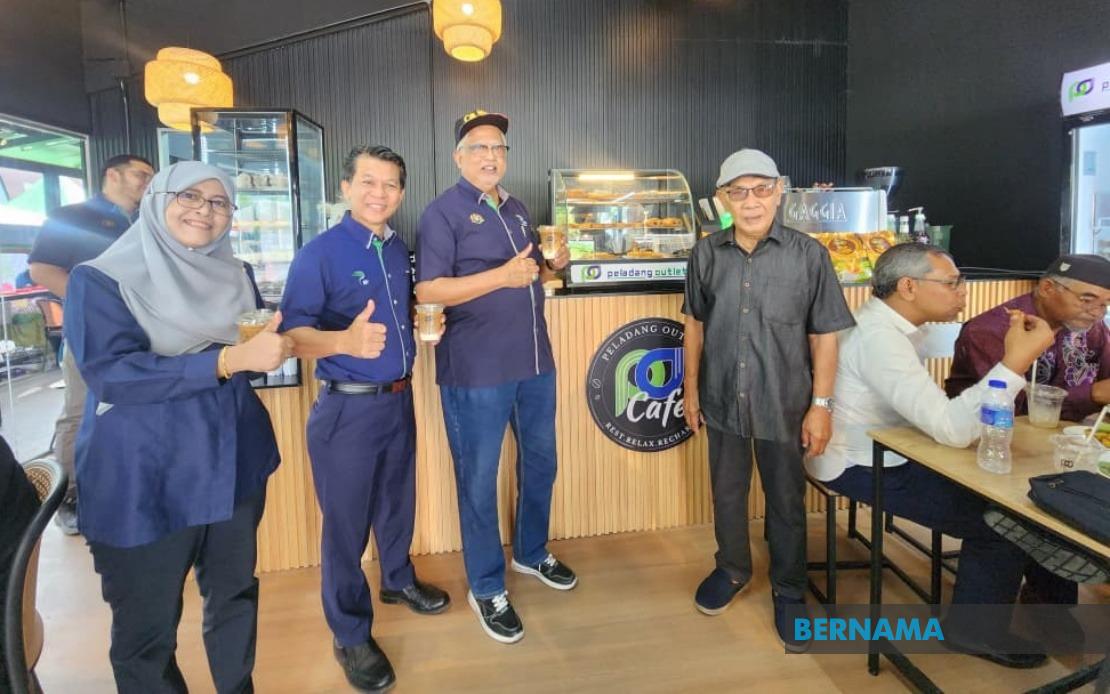
The Farmers' Organisation Authority (LPP) has embarked on an ambitious modernisation programme affecting 90 of its Agricultural Farmers' Organisation (PPK) outlets across Malaysia, seeking to elevate these establishments to the operational and promotional standards of major food and beverage and retail chains. Unveiled during the 51st Farmers, Breeders, and Fishermen's Day celebration at Padang Siding in Arau, the initiative represents a strategic shift towards making farmer-operated retail spaces more attractive and accessible to urban and suburban consumers.
The comprehensive empowerment strategy targets significant improvements across multiple dimensions of outlet operations and presentation. According to Marlina Mohd, director of the LPP's Economic Development Division, enhancements already implemented at 30 outlets have encompassed redesigned logos, refreshed visual identity, expanded promotional activities, and optimised Stock Keeping Unit management. These upgrades reflect an understanding that modern consumers expect contemporary branding and efficient inventory systems alongside product quality, factors previously less prioritised in traditional farmer cooperatives.
The LPP has set an aggressive expansion timeline, with plans to upgrade an additional 30 outlets during the coming period, potentially reaching two-thirds of the total network within a defined timeframe. This phased approach allows the organisation to refine its upgrading methodology, gather operational data, and adjust strategies based on early outcomes before rolling out improvements across the remaining outlets. The deliberate sequencing also distributes implementation costs more sustainably across budget cycles.
Padang Siding's PPK outlet, formally inaugurated by LPP chairman Datuk Mahfuz Omar during the celebration event, exemplifies the successful transformation the programme aims to replicate. Operating since April, the facility has attracted over 20,000 visitors, a metric the LPP interprets as validation of the one-stop centre concept that bundles diverse agricultural products under single roofs at competitive pricing. The strong early footfall suggests rural and farming communities possess latent demand for consolidated outlets offering quality assurance and accessibility.
The initiative addresses a persistent structural challenge within Malaysia's agricultural sector: the gap between farm-to-consumer distribution and retail sector professionalism. Traditionally, farmer cooperatives operated as transactional entities focused primarily on aggregating produce and managing supply chains rather than developing consumer-facing retail experiences. By importing retail best practices—visual merchandising, customer service standards, digital presence preparation, and brand consistency—the LPP positions PPK outlets as legitimate competitors to commercial supermarkets and hypermarkets.
For Malaysian consumers, particularly those in smaller towns and rural areas, these upgraded outlets offer direct access to farm products at lower price points than supermarket chains typically provide, as intermediary markups are minimised through cooperative structures. The emphasis on competitive pricing responds to cost-of-living pressures affecting household budgets, positioning PPK outlets as vehicles for affordability rather than premium positioning. This democratic accessibility differentiates the cooperative model from upmarket organic or specialty food retailers.
The programme also carries implications for agricultural sector sustainability and rural economic development. By enhancing the retail experience and profitability of farmer cooperatives, the LPP effectively incentivises continued farming as a viable livelihood. Younger rural residents, traditionally tempted toward urban migration for perceived superior economic opportunities, may find cooperative membership more attractive if outlets operate with contemporary professional standards and generate adequate returns. This supports demographic stability in farming regions.
Implementing consistent branding and promotional standards across 90 geographically dispersed outlets presents significant logistical and coordination challenges. The LPP must establish training programmes for cooperative managers, develop standardised operational manuals, coordinate supply chains to ensure product availability, and maintain quality controls while respecting the autonomy traditional cooperatives value. The phased rollout partially addresses this complexity, but sustained investment in capacity-building and management systems will prove essential for long-term success.
From a broader policy perspective, the initiative reflects government recognition that supporting agricultural competitiveness requires downstream value-chain improvements, not merely upstream production subsidies. By developing retail infrastructure and consumer-facing capabilities, the LPP acknowledges that farmers' incomes depend partly on how effectively their products reach end-consumers. This represents sophisticated agricultural policy that extends beyond commodity pricing into marketing and distribution.
The success metrics for this programme extend beyond visitor numbers and sales volumes. Sustained competitiveness requires outlets to gradually develop digital presence—online ordering, payment integration, loyalty programmes—as consumer expectations increasingly encompass omnichannel retail experiences. PPK outlets that remain purely physical operations risk marginalisation as younger consumers adopt e-commerce for groceries and agricultural products. Future upgrades should anticipate this digital transformation.
Regional implications emerge as neighbouring Southeast Asian nations pursue similar strategies for agricultural cooperative modernisation. Malaysia's experience with upgrading 90 outlets simultaneously provides a practical case study for other countries considering retail infrastructure improvements within farmer organisations. The transferability of branding approaches, training methodologies, and operational standards across different agricultural contexts could position Malaysian cooperative models as regional reference points.
Sustained success ultimately depends on cooperative members embracing cultural shifts toward customer-centric operations and professional management. Farmers accustomed to traditional wholesale distribution may initially resist retail service standards and marketing expenditures that reduce short-term margins. The LPP's challenge involves changing institutional culture alongside physical infrastructure, ensuring that upgraded facilities genuinely operate with the customer focus and operational excellence that contemporary retail demands rather than merely adopting superficial cosmetic improvements.

