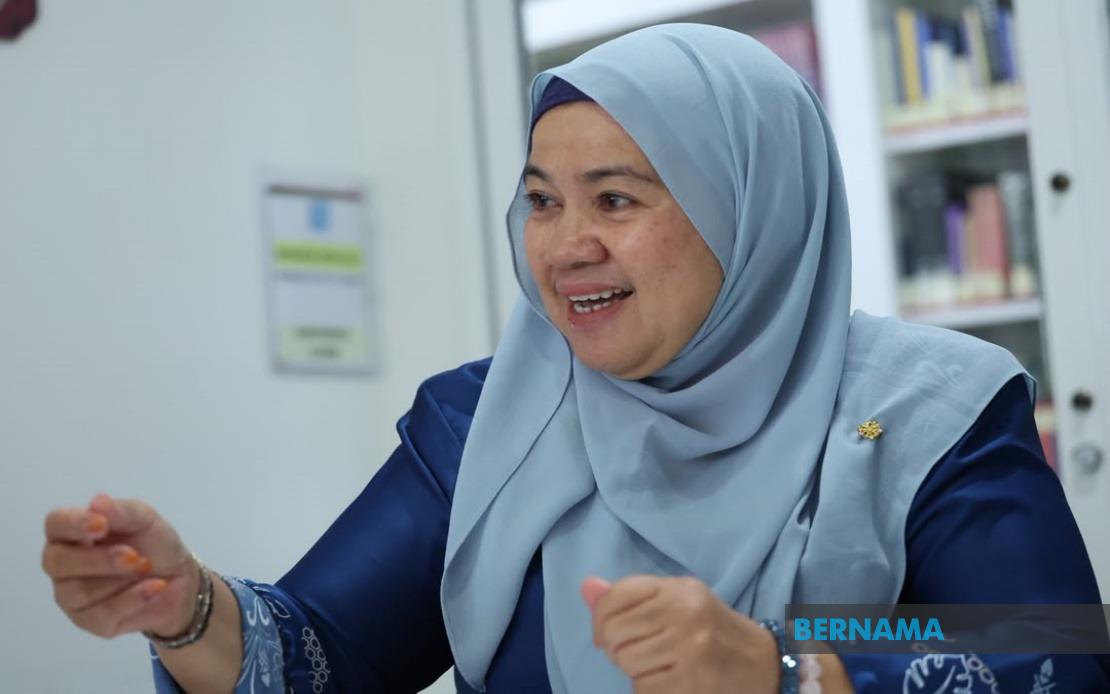
The Librarians Association of Malaysia (PPM) has embarked on an ambitious long-term programme to secure stronger professional recognition for librarians and establish clearer advancement pathways within the field. According to the association's newly elected president Hasnita Ibrahim, the push for formal professional status represents a critical step in safeguarding the librarian profession while simultaneously raising competency standards and opening doors for career progression. The initiative reflects growing concerns across Southeast Asia about the evolving role of information professionals in the digital age and the need to ensure librarians are properly credentialed and valued within their institutions and broader society.
Under this programme, PPM will work closely with the National Library of Malaysia (PNM) and coordinate efforts across multiple stakeholders to reshape how librarians are perceived and utilized. Hasnita emphasised that the endeavour demands engagement from government bodies, particularly the Public Service Department, which plays a gatekeeping role in how civil service positions are classified and remunerated. The association recognizes that without systemic support from these agencies, professional recognition efforts risk remaining aspirational rather than achieving meaningful institutional change. This reality underscores a persistent challenge in the Malaysian public sector, where professional bodies often struggle to translate their advocacy into concrete policy shifts without bureaucratic backing.
Central to PPM's strategy is a commitment to continuous professional development, with the association planning to substantially expand its training, workshop, and certification offerings. Priority areas identified include data analysis, digital metadata management, information security, ethical frameworks, and artificial intelligence applications—skills that reflect the profound transformation occurring across the information science sector globally. By positioning these competencies as essential to modern librarianship, PPM aims to demonstrate that librarians are not merely custodians of physical collections but sophisticated information professionals capable of managing complex technological and ethical challenges. This reorientation is particularly important in Southeast Asia, where digital literacy gaps remain pronounced and reliable information remains scarce.
Hasnita, who brings over three decades of professional experience and currently serves as senior digital library manager at the Malaysian National News Agency, outlined a vision that repositions librarians as reference experts, data verifiers, and information navigators. This framing is particularly timely given the proliferation of artificial intelligence, online misinformation, and the public's growing struggle to distinguish credible sources from unreliable ones. Librarians, in this reimagined role, become essential defenders against information chaos—professionals trained to help citizens navigate digital landscapes, assess source credibility, and access authoritative knowledge. For Malaysian readers, this concept has immediate relevance, as the nation grapples with persistent misinformation challenges and a populace that sometimes lacks critical media literacy.
The association's agenda extends beyond internal professional development to encompass broader community impact. PPM intends to expand the "Library Without Walls" concept by enhancing digital service accessibility, making library resources available to those who cannot physically visit institutions. Simultaneously, the association plans to intensify community digital literacy programmes targeting young people, women, and senior citizens—demographics that often face particular barriers to accessing reliable information and digital services. These initiatives address a significant gap in Malaysia's digital inclusion landscape, where access to technology and digital skills remain unevenly distributed across socioeconomic strata.
In studying professional recognition models used by counterparts in other ASEAN nations, PPM acknowledges that solutions developed elsewhere may require contextualisation to fit Malaysia's unique institutional landscape and labour market conditions. This comparative approach reflects a mature understanding that professional advancement is not simply a matter of adopting best practices wholesale but rather of understanding how different systems operate within their specific cultural, economic, and administrative contexts. The association's willingness to learn from regional peers positions it within a broader Southeast Asian conversation about professional standards and international competitiveness in knowledge sectors.
Collaboration with the Department of Skills Development represents another crucial pillar of PPM's strategy. The association is working to expand Malaysian Skills Certificate courses for library assistants, a credential pathway that could formally legitimize entry-level positions and create clearer progression routes for workers aspiring to become qualified librarians. This effort is significant because it addresses the supply side of professional recognition—ensuring that a pipeline of properly trained professionals exists and that credentials are recognized across employers. Such standardisation is particularly important in developing economies like Malaysia, where skills recognition can substantially affect employment prospects and wage outcomes.
The call for government support in digital capacity-building and formal public service recognition reflects PPM's understanding that meaningful professional advancement requires institutional backing beyond what professional associations can achieve independently. Without official recognition from the Public Service Department and integration of librarian positions into formal civil service grades and salary scales, professional status improvements risk remaining marginal. This dynamic highlights the complex relationship between professional bodies and government apparatus in Malaysia, where state agencies retain substantial gatekeeping power over career legitimacy and advancement.
Hasnita's election as PPM president for the 2026-2028 term on June 27, succeeding Dr Ghazali Mohamed Fadzil after two terms of leadership, suggests continuity in the association's strategic direction while also introducing fresh energy to implementation. Her background managing digital library operations at a major national institution provides practical credibility to her vision of modernising the profession. The transition in leadership, occurring at a moment when global information sectors are undergoing rapid technological change, positions PPM to potentially influence how Malaysian librarians are prepared for and valued in emerging professional roles.
Looking ahead, PPM has positioned the Malaysian Library Conference 2026, scheduled for September 22 to 24, as a key forum for deliberating and advancing this agenda. The conference will likely attract librarians, information professionals, policymakers, and stakeholders from across the region, creating an opportunity to build consensus around professional standards and advocacy priorities. The association's openness to strategic partnerships and industry sponsorships suggests a pragmatic approach to resource constraints, recognising that achieving professional elevation requires mobilising support from diverse sources including the private sector, educational institutions, and international organisations. For Malaysian readers concerned with knowledge sector development and professional standards, PPM's initiative represents an important effort to position information professionals as central to the nation's digital future.

