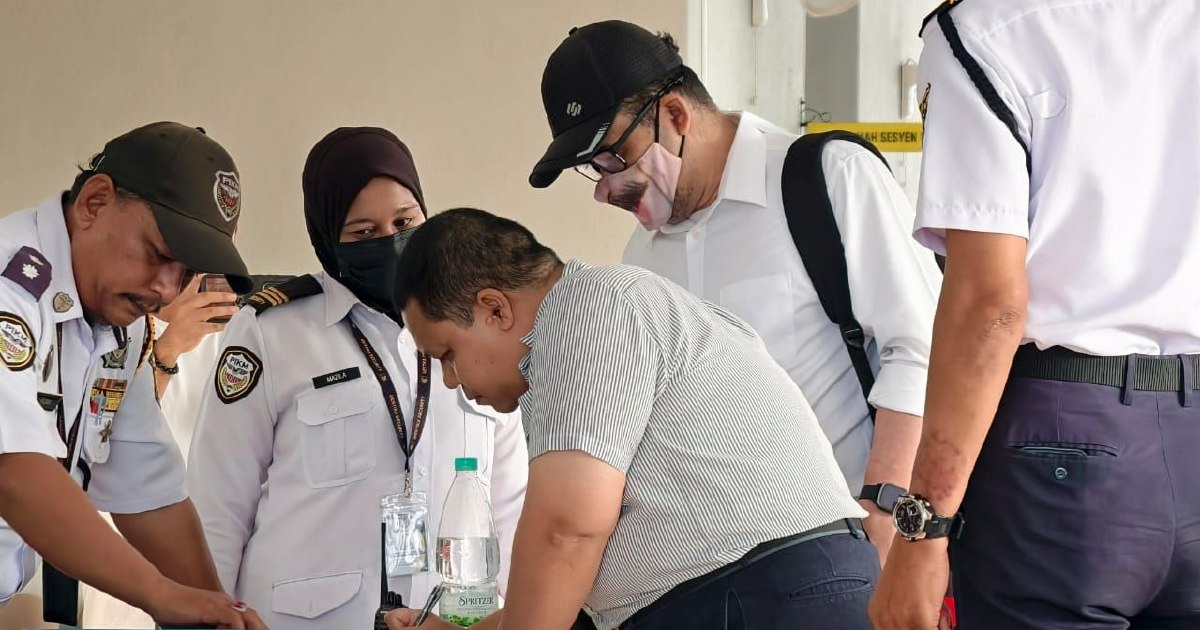
A preschool teacher appeared before the Sessions Court in Seremban today to face serious allegations involving the sexual assault of a child under her care. The educator stands accused of two separate counts of physical sexual assault perpetrated against an 8-year-old male pupil during April, marking a significant development in what appears to be a troubling case of breach of trust within an educational setting.
The formal charges represent a rare but deeply concerning incident within Malaysia's early childhood education sector, where trained professionals are entrusted with the safety and wellbeing of young learners. The specificity of the charges—physical sexual assault documented across two distinct counts—suggests that investigating authorities identified multiple instances or aggravating factors warranting separate legal proceedings. Such layered charges typically indicate a pattern of behaviour rather than isolated misconduct, intensifying the gravity of the allegations.
The venue of Seremban, capital of Negeri Sembilan, places this incident within the jurisdiction of a state that, like others across Malaysia, has witnessed increasing scrutiny of child safety protocols within educational institutions. This case emerges amid growing national discourse surrounding safeguarding mechanisms in preschools and kindergartens, facilities where supervision standards and accountability structures have come under periodic examination by parents and child welfare advocates.
The timing of the incident—occurring in April before charges were brought today—indicates a investigative process involving multiple stages: initial reporting, police inquiry, evidence collection, and prosecution assessment. The delay between alleged occurrence and formal charges is not uncommon in sensitive cases involving minors, as authorities must navigate evidentiary requirements whilst protecting the child's identity and ensuring proper procedural adherence.
For Malaysian parents and guardians, this case reinforces broader concerns about vetting processes, background screening, and institutional oversight in early childhood environments where children spend formative hours away from family supervision. Preschools operate as critical nodes in child development, yet incidents such as this highlight ongoing vulnerabilities in how educational institutions implement safeguarding policies and training for staff members.
The legal proceedings ahead will unfold under Malaysia's criminal justice framework, with provisions under the Penal Code and Sexual Offences Against Children Act governing such serious matters. The Sessions Court jurisdiction indicates the severity attributed to the allegations, with potential sentencing implications significantly more substantial than lower-tier offences. Given the vulnerability of the alleged victim and the position of authority held by the accused, aggravating factors will likely feature prominently throughout judicial deliberations.
The psychological impact upon the young victim and his family extends beyond the courtroom, necessitating comprehensive support structures including counselling and medical assessment. Child welfare officers and social services typically become involved in such cases to ensure the victim's recovery and to document trauma appropriately for evidentiary purposes.
This incident also prompts examination of institutional accountability within the early childhood sector. Preschools across Malaysia operate under various regulatory frameworks—some registered with education authorities, others functioning with minimal oversight. The incident spotlights potential gaps in mandatory reporting protocols, staff training requirements, and preventive mechanisms designed to detect inappropriate behaviour before escalation occurs.
Educational stakeholders and policymakers will likely scrutinise whether current inspection regimes, parental involvement channels, and staff credentialing processes adequately protect children enrolled in these settings. The case may catalyse broader conversations about implementing standardised background checks, establishing clear codes of conduct, and creating accessible reporting mechanisms for parents who observe concerning behaviour.
Regionally, child protection remains a persistent priority across Southeast Asia, with Malaysia's approach increasingly aligning with international standards for safeguarding vulnerable populations. This case, pending outcome, will contribute to evolving jurisprudence surrounding childhood protection and institutional accountability within the education sector.
The teacher's legal representation and defence strategy remain to be articulated, with the presumption of innocence operative throughout proceedings. However, the formal charging itself indicates sufficient evidence meeting prosecutorial standards to proceed toward trial. The coming legal process will determine factual culpability whilst simultaneously serving as a public affirmation of the state's commitment to protecting minors and prosecuting violations of trust perpetrated by adults in positions of authority.

