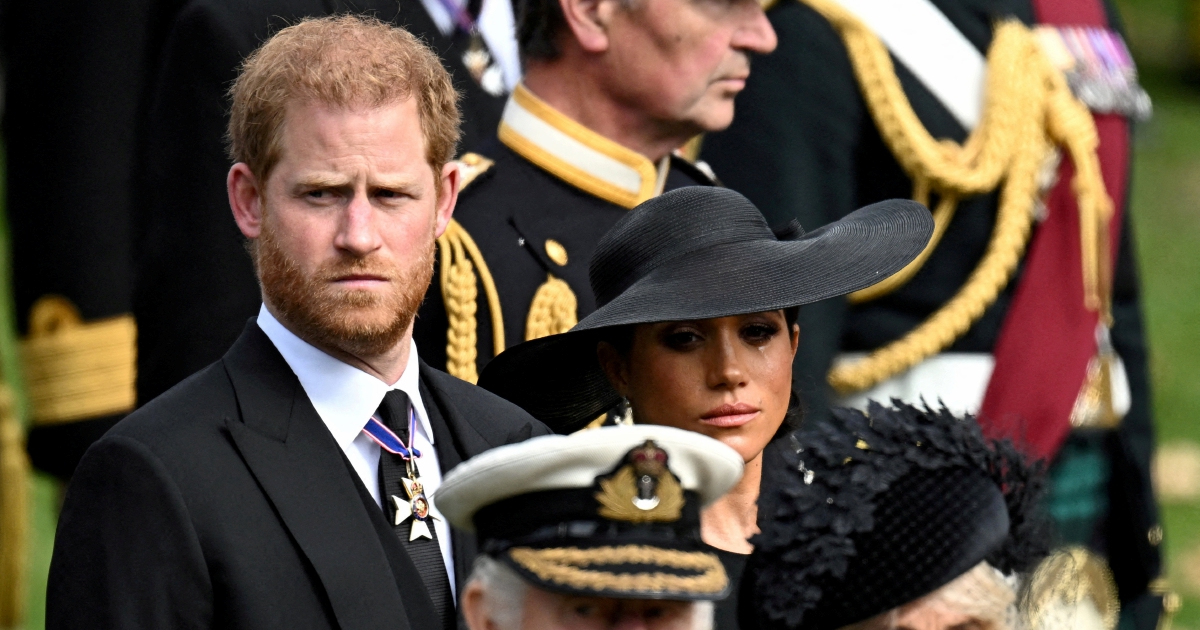
The British courts have delivered a significant financial blow to Prince Harry, musician Elton John, and several other well-known personalities who pursued a high-stakes privacy case against the Daily Mail's publishing entity. Following a judicial determination that the claimants had conducted their proceedings in an unreasonable manner, the group now faces the prospect of paying substantial sums to reimburse their opponent's legal expenditures—a development that underscores the considerable financial risks inherent in civil litigation against major media organisations.
The ruling represents a watershed moment in British privacy law and media accountability, highlighting how courts weigh competing interests between individual privacy rights and press freedom. Judges in the United Kingdom possess discretionary powers to award legal costs against parties who pursue litigation in ways deemed inappropriate or excessive, and in this instance, the court determined that the claimants' approach fell into that category. This decision will likely reverberate across the media and legal landscape, influencing how celebrities and public figures calculate the risks and benefits of challenging powerful publishing houses.
Prince Harry has been at the forefront of multiple legal battles involving British tabloid journalism over the past several years, advancing arguments about intrusive reporting practices and privacy violations. His willingness to fund litigation against major publishers has made him a symbolic figure in broader conversations about media regulation and the protection of personal privacy. Elton John's involvement in this particular case adds further weight to the grievances, as his participation suggests a coalition of public figures concerned about systematic invasions of their private lives. The combination of these high-profile names gave the lawsuit considerable public prominence and media attention.
The financial consequences of this ruling will be substantial for all parties involved. Legal costs in major civil cases pursued through the English court system can accumulate rapidly, involving barristers, solicitors, expert witnesses, and extensive documentation. When a claimant loses and is ordered to cover the opposing side's costs, they must absorb these expenses personally or through their legal teams' insurance arrangements. For celebrities accustomed to wielding considerable financial resources, such payments, while significant, remain manageable; however, the symbolic weight of the defeat extends beyond mere monetary loss.
The judge's characterisation of the litigation as unreasonably conducted raises important questions about litigation strategy and the appropriate mechanisms for pursuing privacy claims. Courts expect parties to engage in reasonable attempts at settlement before proceeding to full trials and to conduct discovery processes in proportionate ways. If the claimants' legal representatives pursued aggressive tactics, requested excessive documents, or rejected reasonable settlement offers, these factors would have influenced the judge's assessment of reasonableness. Understanding precisely what conduct the judge found objectionable will prove instructive for future cases of this nature.
In Malaysia and other Commonwealth jurisdictions, legal systems operate under comparable frameworks regarding costs awards and judicial discretion in civil matters. Malaysian lawyers and courts regularly confront similar questions about the proportionality of litigation conduct, and this ruling offers valuable precedent regarding how senior judges evaluate competing claims about privacy, media freedom, and procedural reasonableness. The Malaysian legal profession closely monitors significant British decisions, particularly those involving privacy law, which remains an evolving area in this jurisdiction.
The broader context of this defeat involves ongoing tensions between celebrity privacy advocates and the publishing industry across the Commonwealth. Tabloid journalism in Britain has historically operated with considerable latitude in reporting on public figures, and recent years have witnessed an apparent tightening of legal restrictions and judicial sympathy for privacy claims. However, this particular ruling suggests that courts will not automatically side with high-profile claimants, and will instead scrutinise the manner in which such cases are pursued. Publishers maintain that invasive reporting practices serve legitimate public interests, and judges remain attentive to these arguments.
Elton John's participation in the litigation reflected his longtime concerns about invasive media coverage and its psychological impacts on public figures. The renowned musician has spoken extensively about the challenges of maintaining personal boundaries whilst occupying a position of intense public scrutiny. His involvement alongside Prince Harry indicated alignment on the perceived need for stronger legal protections, yet the unsuccessful outcome demonstrates that judicial sympathy for these concerns has limits, particularly when litigation is conducted in ways the courts deem excessive or unreasonable.
The financial implications extend beyond immediate legal fees to encompass broader strategic considerations for future cases. Celebrities considering privacy litigation against major publishers must now contend with the realistic possibility that even cases they perceive as having merit might be dismissed based on procedural grounds, with corresponding financial penalties. This reality may deter some potential claimants from pursuing legitimate privacy grievances, whilst simultaneously encouraging publishers to adopt increasingly aggressive litigation strategies, secure in the knowledge that their legal costs may be recoverable even against wealthy opponents.
Looking forward, this ruling will likely influence how privacy cases are structured and pursued throughout the Commonwealth. Legal teams representing celebrities must recalibrate their approach, emphasising proportionality and genuine attempts at settlement before escalating to contentious court proceedings. The decision also suggests that British judges remain protective of the legal process itself, unwilling to permit even sympathetic claimants to utilise litigation as a blunt instrument regardless of the conduct employed. For the broader media accountability movement, the ruling presents a cautionary tale about the complexities of enforcing privacy rights through adversarial legal systems.

