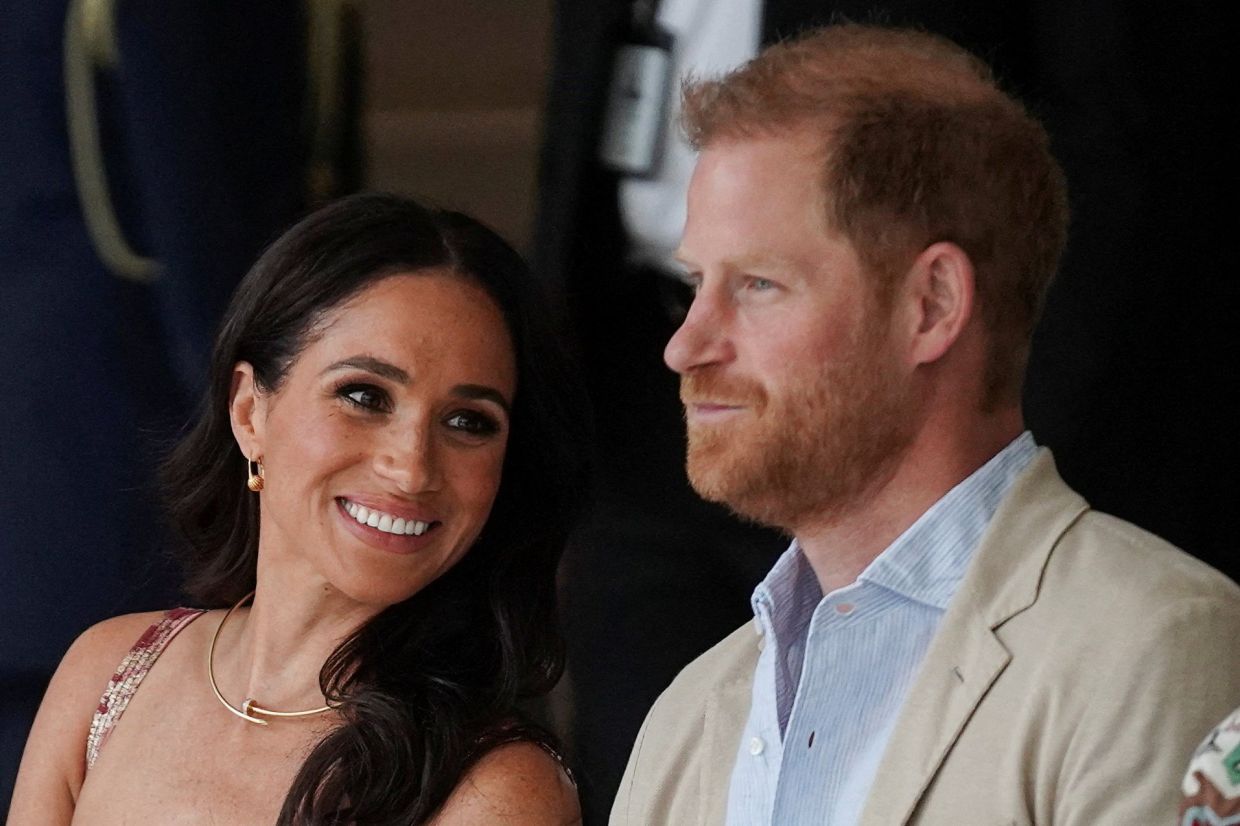
Prince Harry and Meghan Markle have made the decision to return to the United Kingdom after more than six years in California, British media reported this week. The couple's children, Prince Archie and Princess Lilibet, have already been enrolled at schools in Britain and are set to begin classes in September. However, the move marks a significant shift in the family's circumstances rather than a return to formal royal life—Harry and Meghan will remain non-working members of the royal family and maintain their distance from official duties.
The announcement comes at a critical juncture in the family's relationship with the wider royal institution. King Charles III was only informed of the relocation plans on Sunday, notably not during Harry and Meghan's recent visit to the UK last month. The timing and manner of the communication suggest a level of caution on both sides as the family navigates what remains a complicated dynamic. Buckingham Palace, consistent with its longstanding practice, has declined to comment on matters relating to non-working members of the royal family, while representatives for Harry and Meghan have similarly remained silent on the matter.
The couple's journey away from the UK began over six years ago when they made the high-profile decision to step away from their royal roles. They relocated to Montecito in Southern California, where they pursued commercial opportunities that proved significantly more lucrative than their previous life in Britain. Major streaming and audio deals with Netflix and Spotify became the foundation of their financial independence, allowing them to establish themselves outside the traditional royal framework. This departure, however, was accompanied by considerable public and media scrutiny that would persist for years to come.
Relations between Harry and the broader royal family deteriorated substantially following the California move. A series of candid interviews and Harry's published memoir provided detailed accounts of family discord, grievances over media treatment, and broader questions about the institution's values. These public revelations created deep rifts that proved difficult to bridge, particularly with his brother, Prince William, the heir to the throne. Former BBC royal correspondent Peter Hunt suggested that the news of Harry's planned return would provoke strong reactions from William, predicting he would be deeply troubled by the development.
Beyond family tensions, Harry has found himself embroiled in protracted legal battles that have consumed considerable time and financial resources. His fight against British tabloid newspapers, particularly regarding phone hacking and privacy violations, has been particularly costly. The prince has faced setbacks in court, including a significant adverse ruling that left him liable for millions of pounds in legal fees. Associated Newspapers documented legal costs of £34.5 million related to cases involving Harry and other plaintiffs, a financial burden that underscores the intensity of his media disputes.
Additionally, Harry has pursued a lengthy legal confrontation with the British government over police protection for his family when visiting the UK. The royal argues that members of his household face genuine security threats by virtue of their royal status, regardless of whether they maintain working roles within the institution. After losing a court battle on this issue last year, he expressed his desire to move beyond conflict. In an interview with the BBC, Harry stated clearly: "I would love reconciliation with my family. There's no point in continuing to fight anymore. I don't know how much longer my father has." These words reflected a shift in his perspective, driven partly by concern for King Charles III, who is undergoing treatment for an undisclosed form of cancer.
A modest but meaningful step toward family reconciliation materialised when Harry travelled to the UK last month for charity-related engagements. Meghan and the children accompanied him for portions of this visit, and the family spent time with King Charles at his Highgrove estate in Gloucestershire. For Prince Archie and Princess Lilibet, this represented their first encounter with their grandfather since Queen Elizabeth II's platinum jubilee celebrations in 2022. The visit, though brief, appeared to signal a willingness on both sides to improve the relationship and create opportunities for the children to know their extended family.
The planned relocation to Britain may represent a pragmatic accommodation of Harry's desire to strengthen his relationship with his aging father while maintaining the financial and personal independence the couple has established in California. By securing British schooling for their children, Harry and Meghan are making a concrete commitment to a UK presence without reverting to the formal royal responsibilities they relinquished. This arrangement could allow for regular, extended contact with King Charles and potentially create space for other family relationships to develop more naturally over time.
However, observers note significant complications ahead. Peter Hunt's assessment suggests that while Harry's physical presence in the UK might create pressure for Prince William to engage in reconciliation efforts, the heir to the throne has shown no signs of warming toward his brother. The relationship between the two princes remains notably strained, with limited evidence of meaningful communication or shared ground. The contrast between Harry's tentative rapprochement with his father and the apparent coldness with William reveals the selective nature of family reconciliation efforts and raises questions about whether a broader healing is possible.
For Malaysia and Southeast Asian observers, the Harry and Meghan situation reflects broader themes about immigration, family separation, and the challenges of building independent lives across borders. Their decision to return to the UK while maintaining non-working status also illustrates the contemporary phenomenon of wealthy individuals relocating based on education and quality of life considerations rather than employment or civic obligation. The family's relocation will be watched closely by media in the region, where the British royal family remains a source of considerable public interest and discussion about institutional tradition versus individual autonomy.

