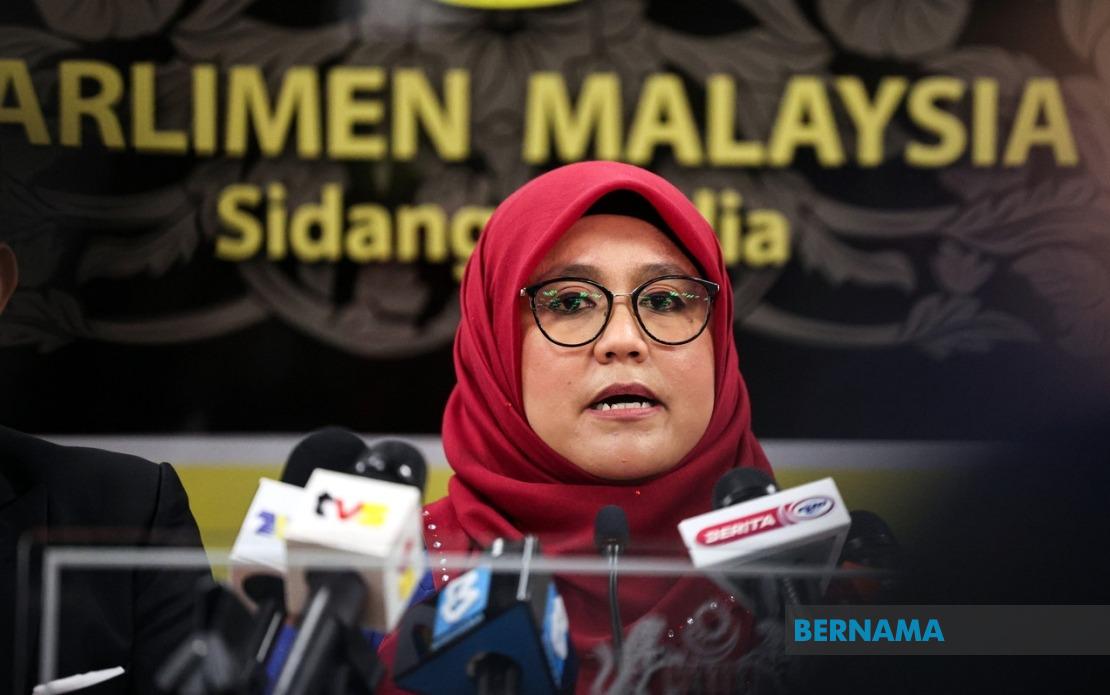
An investigation by Malaysia's Public Accounts Committee has pinpointed the true culprit behind surging health insurance costs: private hospitals charging for services and supplies without regulatory oversight. Speaking through Kapar MP Dr Halimah Ali in Parliament, PAC chairman Datuk Mas Ermieyati Samsudin explained that while doctors' professional fees have remained under strict regulatory control since 2013, the wider landscape of hospital billing operates in a largely unpoliced environment. This regulatory asymmetry has created a two-tiered system where medical professionals' compensation is capped while hospitals freely adjust charges for everything from medications and diagnostic tests to medical equipment and advanced treatments.
The absence of meaningful price controls on non-professional hospital charges represents a significant loophole in Malaysia's healthcare cost management framework. Private hospitals bundle ancillary costs—including supplies, technology, labour, utilities, and even defensive medicine coverage—into pricing structures that lack transparency or standardisation. This opacity makes it nearly impossible for patients, insurers, or regulators to identify whether they are paying fair market rates or inflated prices. The committee discovered that hospitals frequently use high medicine markups to subsidise operational expenses that should be itemised separately, effectively hiding true costs from public view. When combined with the absence of consistent billing standards across different private institutions, this creates an environment where price variation reflects market opacity rather than genuine differences in service quality or efficiency.
One particularly problematic practice identified by the PAC is unbundling—the systematic separation of costs that logically belong together. Hospitals charge separately for items such as clinical waste disposal, pillowcases, and alcohol swabs, which should reasonably be incorporated into room charges or standard care packages. This nickel-and-diming approach inflates patient bills substantially while obscuring the actual cost of care. Beyond unbundling, the committee found evidence of deliberate price discrimination based on payment method. Patients presenting guarantee letters from insurers face significantly higher charges than those paying directly from their own pockets or through reimbursement schemes. This pricing strategy essentially penalises insured patients and those with corporate benefits, undermining the principle of equitable access to care and directly inflating the claims costs that insurers must cover—costs that ultimately flow back to premium increases.
The pharmaceutical component of this cost inflation deserves particular scrutiny, as it reveals structural market failures that extend beyond hospital pricing alone. Malaysia currently has over 1,500 registered medicines with only a single manufacturer, effectively creating monopolies in essential drug markets. Without competitive alternatives, suppliers can impose prices unconstrained by market forces. The PAC investigation uncovered instances where generic medicines cost more than their branded, innovator counterparts—a market dysfunction that suggests pricing is divorced from production costs or therapeutic value. These high markups accumulate across the pharmaceutical supply chain, with each intermediary layer adding additional margins. The absence of mechanisms to procure directly from manufacturers or to leverage local production capacity means Malaysian patients and insurers pay premium international prices for commodities that might be produced domestically at lower cost.
For Malaysian healthcare consumers and those managing corporate health benefits, these findings carry immediate practical implications. Rising insurance premiums reflect not improved quality of care or cutting-edge innovations, but rather the unchecked ability of private hospitals to expand non-regulated charges. Middle-income Malaysians increasingly price out of private healthcare as insurance becomes unaffordable, while simultaneously witnessing overcrowding and capacity constraints in the public system. Small and medium enterprises struggle to justify employee benefits packages that offer private healthcare coverage when premiums escalate year after year for services that remain fundamentally unchanged. The regional dimension is equally significant: as other Southeast Asian nations observe Malaysia's private healthcare cost spiral, they face critical policy choices about whether to adopt similar lightly-regulated models or pursue tighter cost governance from the outset.
To address this systemic dysfunction, the PAC has advanced 17 specific recommendations spanning regulatory reform and operational restructuring. Chief among these is accelerating implementation of the Diagnosis-Related Group payment system, which establishes predetermined reimbursement rates based on diagnosis rather than itemised service provision. DRG-based payment removes the financial incentive for hospitals to bundle excessive charges or unbundle basic services, as compensation becomes fixed regardless of how costs are categorised. The committee further recommends amending the Private Healthcare Facilities and Services Act 1998 to grant the Ministry of Health explicit authority to regulate private hospital charges beyond the narrow scope of doctors' professional fees. This legislative change would create a comprehensive regulatory framework encompassing medicines, medical equipment, diagnostic services, and facility charges—closing the regulatory gaps that currently exist.
Coordinated action across multiple government agencies appears essential to the success of any cost containment initiative. The PAC has called for the Ministry of Health and the Ministry of Domestic Trade and Cost of Living to jointly establish pricing mechanisms for medicines and medical equipment, and to explore direct procurement strategies that bypass suppliers and potentially reduce reliance on cartels. These recommendations acknowledge that healthcare cost inflation cannot be addressed through the health ministry alone; competition policy, procurement practice, and trade oversight must all be mobilised. Bank Negara Malaysia's role in insurance regulation also deserves attention, as the financial regulator can influence premium structures and claims management practices that either exacerbate or mitigate underlying cost pressures. Strengthening cooperation among these institutions represents the institutional scaffolding necessary to transform policy recommendations into measurable cost reductions.
Parliamentary reaction to the PAC report revealed cross-partisan concern about private healthcare affordability, though debate reflected differing emphases among government and opposition members. Lawmakers from both blocs echoed calls for tighter regulation of hospital charges and medicine prices, greater transparency in insurance industry practices, and accelerated DRG implementation. However, MPs also advocated for increased public healthcare investment, suggesting recognition that regulation alone cannot solve affordability challenges without simultaneously strengthening the government health system's capacity. Some members proposed more interventionist measures: freezing fee increases at university hospitals until alternative capacity becomes available, and imposing higher taxes on private hospitals generating substantial profits from medical tourism. These proposals signal parliamentary frustration with the pace of reform and willingness to consider revenue-neutral mechanisms that protect domestic patients from cross-subsidising international medical tourism.
The PAC's findings illuminate a broader healthcare governance challenge facing Malaysia: the need to balance private sector dynamism and innovation against legitimate public interests in affordability and access. Unregulated private healthcare markets may drive technological advancement and service variety, but they simultaneously create cost pressures that ripple through insurance markets and price out ordinary Malaysians. Conversely, heavy-handed regulation risks stifling private investment and pushing innovation toward neighbouring jurisdictions. The committee's recommendations attempt to chart a middle path through increased transparency, standardised billing, and targeted regulation of specific high-impact practices like unbundling and price discrimination. Success will require sustained political commitment and effective inter-agency coordination—neither historically the Malaysian government's strongest suit. The timeline for DRG implementation and legislative amendment will become a practical measure of whether reform momentum can overcome bureaucratic inertia and industry lobbying.

