The National Higher Education Fund Corporation (PTPTN) has successfully recovered RM197 million in overdue student loan repayments during the period from July 2024 through May 2025, utilising the services of licensed debt negotiation agencies known locally as APH. This achievement underscores a growing acceptance of structured debt collection mechanisms in Malaysia's higher education financing landscape and reflects improved engagement with borrowers who face significant arrears.
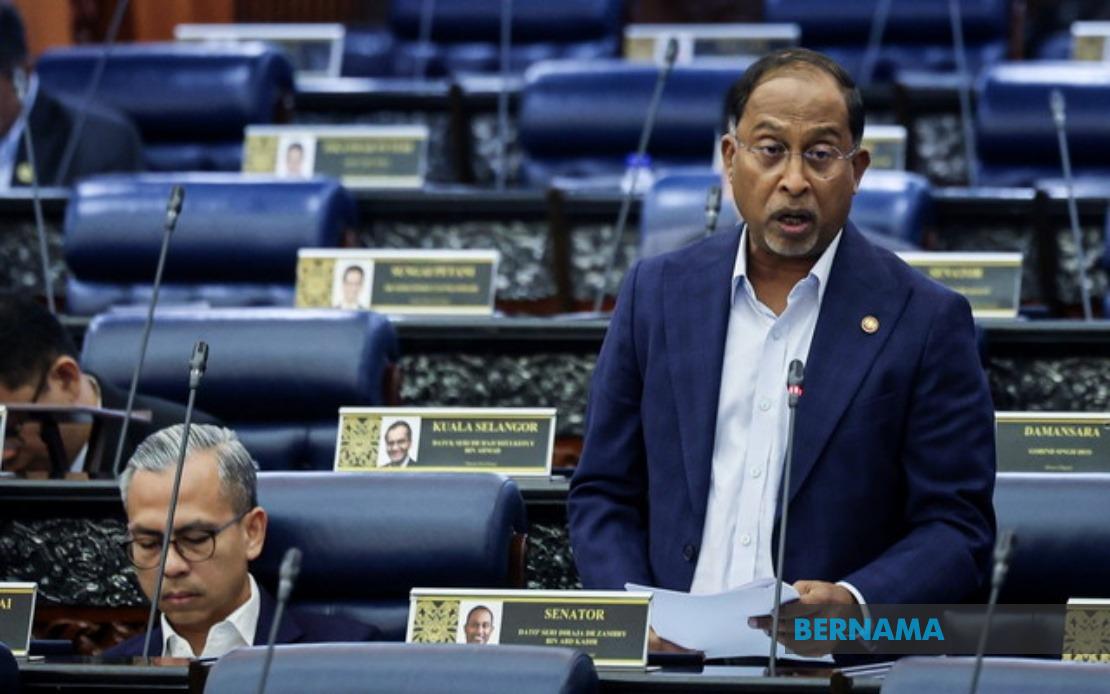
Higher Education Minister Datuk Seri Dr Zambry Abdul Kadir announced the collection results during parliamentary proceedings, highlighting that the figure represents a 6.4 per cent increase compared to the equivalent timeframe in the previous year. This upward trajectory suggests that the APH framework, which focuses on negotiation and structured repayment arrangements rather than punitive measures, continues to gain traction in persuading delinquent borrowers to normalise their accounts. The consistent year-on-year growth indicates that the approach addresses a genuine demand among defaulters seeking pathways back into good standing.
As of May 2025, approximately 103,418 borrower accounts carrying combined arrears exceeding RM3 billion have been transferred to APH management. This substantial portfolio represents borrowers whose loans have fallen severely behind schedule—specifically those with arrears stretching beyond 120 months, or a decade of non-payment. The transfer to APH represents a carefully calibrated escalation within PTPTN's collection hierarchy, deployed only after the corporation's own in-house recovery efforts have proven unsuccessful. This staged approach reflects recognition that very long-term defaulters require specialist intervention beyond standard administrative notices.
Crucially, Dr Zambry emphasised during parliamentary debate that engagement with APH does not constitute a punitive or coercive measure designed to penalise struggling borrowers. Rather, the arrangement functions as a targeted collection mechanism specifically applied to accounts displaying both extended arrears and completed legal judgments. The distinction is significant for Malaysian borrowers who fear that involvement with external debt agencies might trigger aggressive enforcement action. By framing APH engagement as a specialist negotiation service rather than a debt enforcement operation, the ministry seeks to reduce psychological barriers that might otherwise prevent delinquent borrowers from engaging constructively with repayment discussions.
The minister's parliamentary statement reaffirmed that negotiation pathways remain perpetually open, even after a borrower's account reaches APH management. This commitment carries practical weight for individuals whose financial circumstances may have shifted dramatically since their loans first became delinquent. Economic downturns, unemployment, medical crises, or family disruptions can render previously manageable repayments unaffordable. The assurance that borrowers retain the ability to appeal and renegotiate terms based on current financial capacity reflects policy recognition that blanket enforcement approaches often prove counterproductive with severely distressed borrowers.
In response to parliamentary inquiry from Lim Lip Eng (PH-Kepong), Dr Zambry outlined the flexibility embedded within PTPTN's framework for borrowers experiencing genuine financial hardship. The corporation maintains capacity to evaluate individual circumstances, considering variables including current household income, existing financial obligations, and broader socio-economic conditions affecting each borrower. This individualised assessment methodology, rather than mechanical application of standardised repayment schedules, aims to identify and support borrowers whose non-payment genuinely reflects inability rather than unwillingness to service their obligations.
The distinction between inability and unwillingness carries profound implications for Malaysia's student loan ecosystem. PTPTN's portfolio encompasses millions of borrowers across diverse economic circumstances—from urban professionals to rural workers, from self-employed individuals to casualised employees. Applying identical repayment expectations across this heterogeneous population would inevitably produce severe hardship in many cases. By incorporating income assessment and situational analysis into collection decisions, PTPTN acknowledges that fair administration requires flexibility and contextual judgment.
The APH collection mechanism also reflects broader Southeast Asian trends toward specialised debt management services. Regional governments increasingly recognise that traditional litigation-focused collection approaches, while effective against sophisticated debtors with hidden assets, often prove inefficient against populations facing genuine payment constraints. Licensed negotiation agencies capable of structuring repayment plans, facilitating partial payments, and identifying alternative settlement arrangements often achieve superior recovery rates whilst reducing social disruption compared to aggressive enforcement.
For Malaysian borrowers currently in arrears, the reported success of the APH system offers concrete incentive to engage with the institution. The 6.4 per cent increase in collections demonstrates that negotiated arrangements produce actual payments, validating the claim that dialogue yields superior outcomes to avoidance. Borrowers who have postponed engagement with PTPTN due to fear of consequences may find that the current environment prioritises structured problem-solving over confrontation.
The substantial RM3 billion portfolio outstanding across 103,418 accounts, however, reveals the scale of Malaysia's student loan delinquency challenge. Even with improved collections, the sheer volume of severely distressed accounts indicates that systemic factors—insufficient graduate employment, wage stagnation, or inadequate income relative to borrowing volumes—continue generating payment difficulties. Short-term collection improvements must be contextualised against these structural challenges that affect borrower capacity across the economy.
Moving forward, the effectiveness of the APH mechanism may influence how PTPTN calibrates its overall collection strategy. Successful negotiated recovery from the most severely distressed borrowers might justify expanding engagement with APH for earlier-stage arrears, though careful sequencing would be essential to avoid overwhelming borrowers with multiple contact attempts. Malaysian policymakers will likely scrutinise whether current APH success rates can be sustained as the framework matures and reaches additional borrower populations.
Ultimately, the RM197 million collected through APH services during this period represents more than a collection statistic. It reflects individual borrowers who engaged with negotiators, reassessed their circumstances, and recommitted to repayment—often under genuine financial strain. The continued viability of Malaysia's student loan scheme depends on maintaining sufficient repayment rates across the entire borrower population. The APH results suggest that compassionate engagement with distressed borrowers, coupled with genuine flexibility, can advance both social equity and fiscal sustainability.

