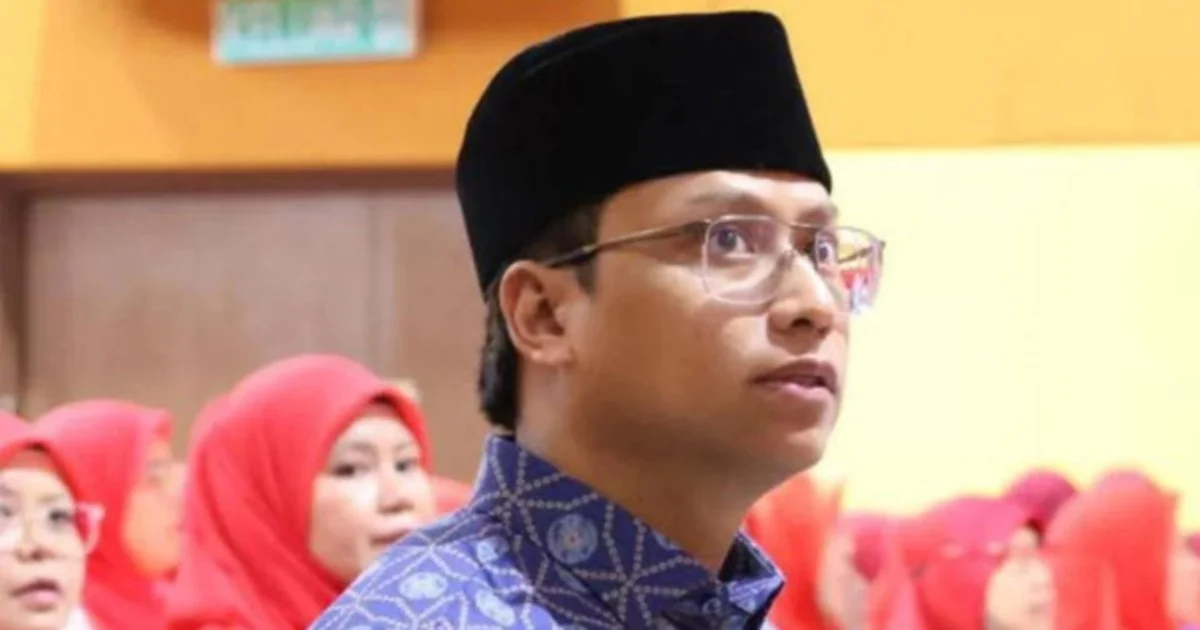
The son of Datuk Dr Mohd Puad Zarkashi, a former member of Umno's highest decision-making body, has stepped forward to publicly support his father's controversial observations regarding the party's strategic direction. In a statement that underscores ongoing internal tensions within Malaysia's longest-governing political organisation, the younger Puad has reframed his father's remarks not as attacks on party leadership but as motivated by deep concern for the organisation's long-term viability and electoral prospects.
The intervention comes amid simmering debate within Umno's ranks over the party's positioning and future trajectory. Datuk Dr Mohd Puad Zarkashi, who served in significant party leadership roles, had previously made public comments that triggered sensitivity among certain sections of the party establishment. Rather than allowing his father's words to be characterised solely as intra-party dissent or criticism, his son has presented them as urgent counsel intended to preserve Umno's institutional strength and relevance.
This family defence strategy reflects a deeper pattern evident in Malaysian politics, where senior figures and their associates attempt to recalibrate public perception of contentious statements. By positioning the elder Puad's remarks as forward-looking advice rather than backward-looking complaint, the son effectively appeals to a broader party constituency that acknowledges internal problems while remaining invested in solutions. This rhetorical move is particularly significant given Umno's complex relationship with constructive criticism from within its own ranks.
The emphasis on history as ultimate arbiter is a notable rhetorical choice. By suggesting that future assessment will vindicate his father's position, the son implicitly challenges the current interpretation of events and invites stakeholders to view the situation through a longer temporal lens. This framing device is common in Malaysian political discourse, where figures invoke historical judgment to transcend immediate controversy and position themselves as prescient voices warning against missteps.
Within the Malaysian political context, such intra-party exchanges carry significance beyond the individuals involved. Umno, as the dominant component of the ruling Barisan Nasional coalition, has long managed internal diversity through informal mechanisms that balance loyalty with space for dissenting voices. However, the party has also shown intolerance toward what it perceives as public criticism undermining its unity. The public nature of this particular exchange suggests either that the boundaries of acceptable discourse have shifted or that the parties involved believe the stakes are sufficiently high to warrant public intervention.
For regional observers, the Puad episode illustrates how major political parties across Southeast Asia navigate the tension between internal democracy and organisational discipline. Unlike Western parties that often feature formalised internal debate mechanisms, Malaysian political organisations typically prefer behind-the-scenes resolution. When such matters spill into public view, it frequently signals either a breakdown in informal dispute resolution or deliberate strategic choices by actors seeking to mobilise broader support.
The son's characterisation of his father's motivation also merits scrutiny. By emphasizing Umno's future as the driving concern, he positions the family as invested patriots rather than factional operators. This narrative is essential for maintaining standing within the party apparatus, as any suggestion of personal interest or factional advancement would undermine the credibility of the defence. The public must understand the intervention as sacrifice for principle rather than self-interested posturing.
Umno's trajectory in recent years has involved substantial challenges, including internal divisions, electoral pressures, and questions about its direction in a rapidly evolving political environment. Figures like Datuk Dr Mohd Puad Zarkashi, with long institutional memories, may feel compelled to articulate perspectives they believe absent from contemporary leadership discussions. Whether his son's defence successfully rehabilitates his father's standing within party structures remains uncertain.
The broader question underpinning this episode is what Umno's future leadership envisions for the party and whether space exists for senior figures to voice alternatives. The younger Puad's public intervention suggests families and associates of prominent party figures are beginning to assert themselves in these debates, using media platforms to shape narratives around key personalities and their legacies. This represents a subtle shift in how Malaysian political discourse operates, with family members functioning as public advocates rather than remaining in the background.

