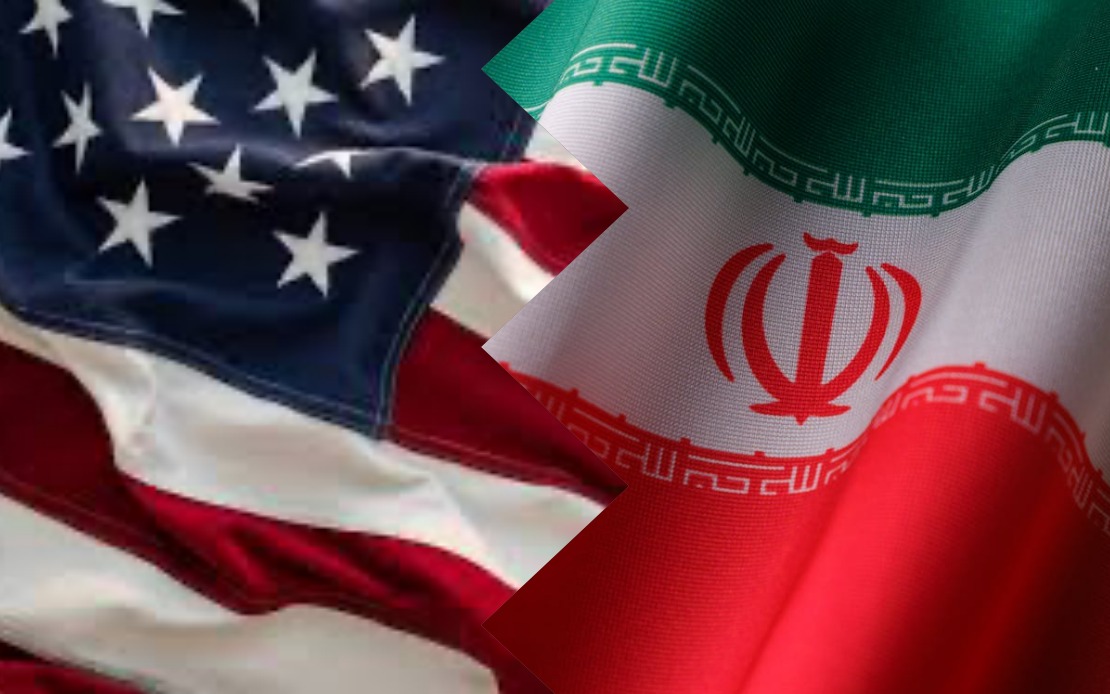
The diplomatic effort to bridge widening tensions between Washington and Tehran has registered what Qatar characterizes as meaningful advancement following Wednesday's round of shuttle negotiations conducted in the capital Doha. Qatar's Foreign Ministry spokesman Majed Al Ansari disclosed the development through social media, indicating that separate discussions held between American and Iranian delegations with Qatari and Pakistani intermediaries yielded constructive outcomes focused on implementing commitments outlined in the Islamabad Memorandum of Understanding.
The announcement carries particular significance given the volatile regional environment and the recent assassination of former Iranian Supreme Leader Ali Khamenei, who was killed in a coordinated United States-Israeli military strike on February 28. The timing of these diplomatic overtures, occurring amid heightened regional tensions and funeral preparations scheduled for Friday, demonstrates the commitment both mediating nations place on maintaining dialogue channels despite extraordinary geopolitical pressures. Such mediation efforts reflect broader international efforts to prevent further escalation in Middle Eastern tensions that could reverberate across global energy markets and security architecture.
Both the United States and Iranian delegations have ostensibly accepted a framework centered on obligations and understandings previously codified during the Lake Lucerne Summit. This reference indicates a pattern of incremental diplomatic progress built upon earlier confidence-building measures, suggesting negotiators are working methodically through discrete agenda items rather than attempting comprehensive resolution. For Malaysia and other Southeast Asian nations heavily dependent on Middle Eastern oil and gas resources, such stabilization efforts carry direct economic implications through potential stabilization of energy prices and predictability in maritime trade routes.
Qatar's dual role as both Arab state and longstanding diplomatic intermediary positions it uniquely to facilitate these talks. The nation has historically maintained pragmatic relationships across ideological divides within the Muslim world and beyond, leveraging its wealth and strategic location to advance dialogue. Pakistan's participation as co-mediator adds another dimension, reflecting Islamabad's influence within Islamic geopolitical structures and its own strategic interests in maintaining equilibrium between Washington and Tehran. The partnership demonstrates how smaller regional powers can exercise considerable diplomatic influence when both larger powers tacitly recognize the mutual benefits of communication.
The framework agreement from Islamabad represents an earlier diplomatic achievement that these current negotiations seek to operationalize. Without detailed public disclosure of specific provisions, observers must infer that discussion topics likely encompass nuclear program parameters, sanctions regimes, proxy force activities, and maritime security concerns. The explicit reference to continued discussions signals that negotiators have not achieved comprehensive agreement but rather cleared procedural obstacles and identified pathways toward potential breakthroughs on contested issues.
The scheduling delay following Khamenei's funeral processions reflects diplomatic protocol appropriate to the circumstances, allowing Iranian authorities space to conduct state ceremonies while maintaining momentum toward resumed negotiations. This sensitivity to cultural and religious observances demonstrates the sophisticated understanding contemporary diplomacy requires, particularly when engaging across profound ideological and religious divides. For regional observers, the decision to pause rather than abandon talks sends reassuring signals about the durability of engagement commitments.
From a Malaysian perspective, these developments warrant close monitoring given our nation's significant economic ties throughout the Persian Gulf region and our position as an important maritime power dependent on secure shipping lanes through waters potentially affected by US-Iran tensions. Southeast Asian prosperity fundamentally rests upon stable hydrocarbon supplies and unimpeded maritime commerce, making regional conflict prevention an economic imperative transcending purely diplomatic considerations. Escalation between Washington and Tehran creates unpredictable disruptions that filter through global supply chains, affecting everything from fuel costs to manufacturing input expenses across ASEAN economies.
The role of Qatar and Pakistan as mediators also illustrates how middle powers can project influence disproportionate to their military or economic size through strategic positioning and diplomatic acumen. Both nations have cultivated relationships across traditional dividing lines, positioning themselves as trusted interlocutors when major powers recognize negotiated settlements serve their interests better than confrontation. This model holds lessons for Southeast Asian nations seeking to maximize influence within multipolar geopolitical environments where traditional great power competition creates opportunities for skilled intermediaries.
The "positive progress" characterization, while appropriately cautious and avoiding overstatement, suggests negotiators have genuinely moved beyond preliminary positioning toward substantive discussion of concrete issues. The commitment to schedule further meetings at the earliest feasible opportunity indicates both sides perceive continued dialogue as beneficial, implying neither party is preparing for renewed confrontation. However, such characterizations in official statements often mask continued disagreements on fundamental questions, making the true extent of convergence impossible to assess from public statements alone.
Regional security analysts will scrutinize whether this diplomatic trajectory proves durable or represents merely tactical positioning by either party. The assassination of Khamenei introduces unpredictability, as successor leaderships often signal determination through harder-line posturing before potentially moderating positions. Conversely, the timing of these negotiations—continuing despite assassination—suggests American and Iranian leaderships share fundamental interest in preventing further escalation during periods of transition and uncertainty.
For Southeast Asian governments and observers, these developments underscore both the fragility of Middle Eastern stability and the centrality of great power diplomacy to regional prosperity. While Doha talks may eventually prove merely another cycle in perpetual US-Iran tensions, each round of substantive negotiations reduces immediate conflict risks and maintains possibilities for gradual confidence accumulation. As ASEAN nations navigate increasingly complex geopolitical environments, understanding mechanisms through which regional middle powers facilitate great power dialogue offers valuable strategic insights.

