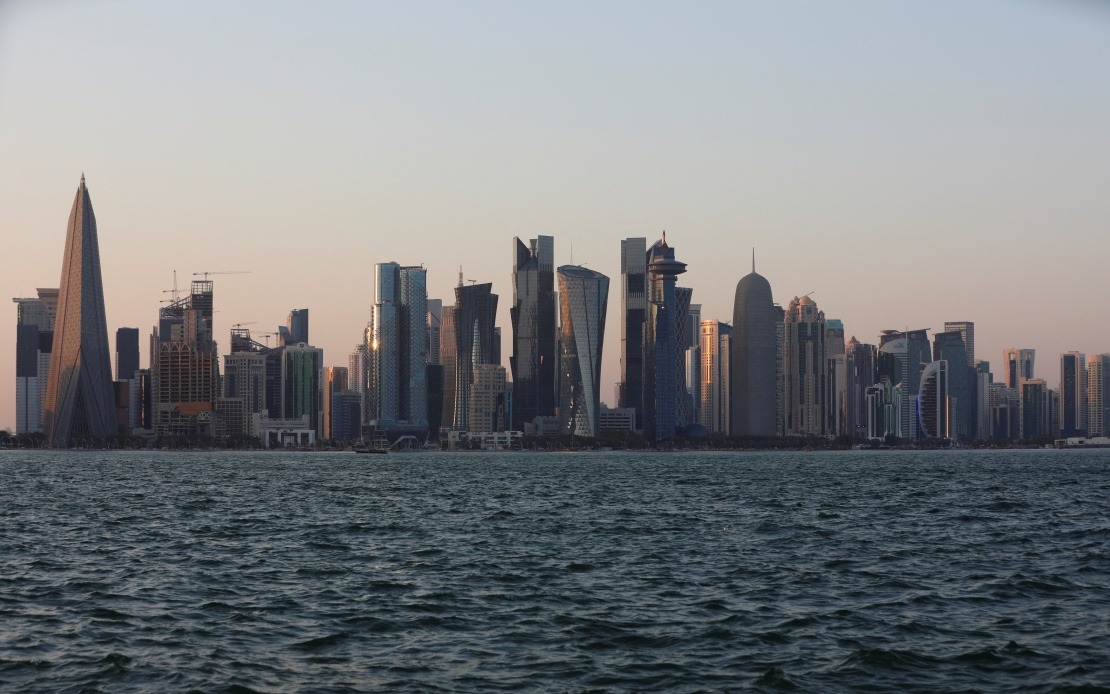
Qatar has categorically denied allegations circulated by Israeli media outlets suggesting the Gulf state would take part in military operations against Iran, reinforcing its position as an independent mediator in regional conflicts. The International Media Office in Doha issued a stark statement on Thursday refuting claims it had agreed to participate in such action, describing the reports as deliberate attempts to destabilise its diplomatic role in a region increasingly fractured by geopolitical tensions.
The Qatari government characterised the allegations as malicious fabrications designed to fracture its standing as a neutral broker in the ongoing US-Iran dispute. Officials contended that those spreading such reports were motivated by a desire to drag Qatar into the conflict, undermine its carefully cultivated mediation efforts, and push the Gulf region toward further instability and confrontation. This assessment reflects Qatar's growing frustration with misinformation campaigns that threaten to compromise its diplomatic positioning at a critical juncture in regional negotiations.
Doha emphasised that since tensions between Washington and Tehran escalated, it has maintained a consistent position of non-participation in military operations against any neighbouring state. This stance represents a fundamental aspect of Qatar's foreign policy framework, balancing its strategic partnerships with the United States and its historical relationships across the Gulf. The government reiterated this commitment with particular force, stating unambiguously that Qatar neither has engaged in nor will engage in any military confrontation targeting Iran or any other regional actor.
The timing of Qatar's denial is significant given the fragile state of current diplomatic efforts. Doha stressed that baseless allegations threaten to undermine months of painstaking work to negotiate a peaceful resolution to the US-Iran conflict. Rather than be deterred by misinformation, Qatar reaffirmed its determination to continue its mediation role in close coordination with both regional and international partners. This approach reflects a sophisticated understanding that sustained dialogue among multiple stakeholders offers the only viable path toward lasting peace in the Gulf.
For Malaysian readers and Southeast Asian observers, Qatar's predicament highlights the challenges faced by smaller regional powers attempting to maintain neutrality in major geopolitical disputes. Similar to Malaysia's own efforts to balance relationships with competing global powers, Qatar must navigate complex diplomatic terrain while preserving its credibility as a neutral actor. The spread of false reports about Qatar's military participation demonstrates how information warfare can threaten the operations of mediating states, a concern highly relevant to other ASEAN members attempting to broker regional peace initiatives.
The broader context for this dispute involves the deteriorating security situation in the Persian Gulf, where the US and Israel launched a joint military campaign against Iran in February. Iran subsequently retaliated with waves of missile and drone strikes targeting facilities across the Gulf region, including assets located in countries hosting American military infrastructure. This cycle of escalation created an increasingly dangerous environment that threatened to expand the conflict beyond its original parameters.
Recent diplomatic progress appeared to offer hope for de-escalation when Iran and the United States reached a Pakistan-mediated memorandum of understanding last month aimed at halting hostilities and establishing a sustainable peace agreement. This breakthrough represented months of negotiations facilitated by multiple regional powers, including Qatar, working behind the scenes to build confidence among the disputing parties. However, renewed tensions over control and passage through the Strait of Hormuz have once again destabilised the fragile ceasefire arrangement, with both sides conducting retaliatory operations that threaten to unravel hard-won diplomatic gains.
The volatility surrounding the Strait of Hormuz remains a critical concern for global energy markets and Southeast Asian economies that depend on stable maritime commerce through this vital waterway. Any escalation involving military operations could threaten shipping lanes, increase insurance premiums for vessels transiting the region, and ultimately impact energy prices affecting consumers across Asia. Qatar's commitment to resolving the conflict reflects not only its regional interests but also its recognition of the global economic consequences of prolonged instability in the Gulf.
Qatar's explicit rejection of the Israeli media reports underscores the importance of credible information in diplomatic processes. By publicly denying involvement in military operations while simultaneously recommitting to mediation efforts, Doha sought to preserve its standing as an impartial facilitator. This approach mirrors the strategy employed by other successful mediators who must maintain trust with all parties while resisting pressure to take sides in contentious disputes. For the Gulf region and indeed for ASEAN states involved in similar mediation efforts, Qatar's public stance demonstrates the necessity of categorical clarity when faced with allegations that could compromise diplomatic neutrality.
Looking forward, the success of Qatari diplomacy will depend substantially on whether the United States and Iran can move beyond cycles of retaliation toward substantive negotiations addressing underlying security concerns. The memorandum of understanding signed through Pakistani mediation provides a framework, but implementation requires sustained commitment from both Washington and Tehran. Qatar's role in maintaining dialogue channels and building confidence among regional stakeholders will prove essential to translating diplomatic agreements into lasting peace arrangements that serve the interests of Gulf states and the broader international community.

