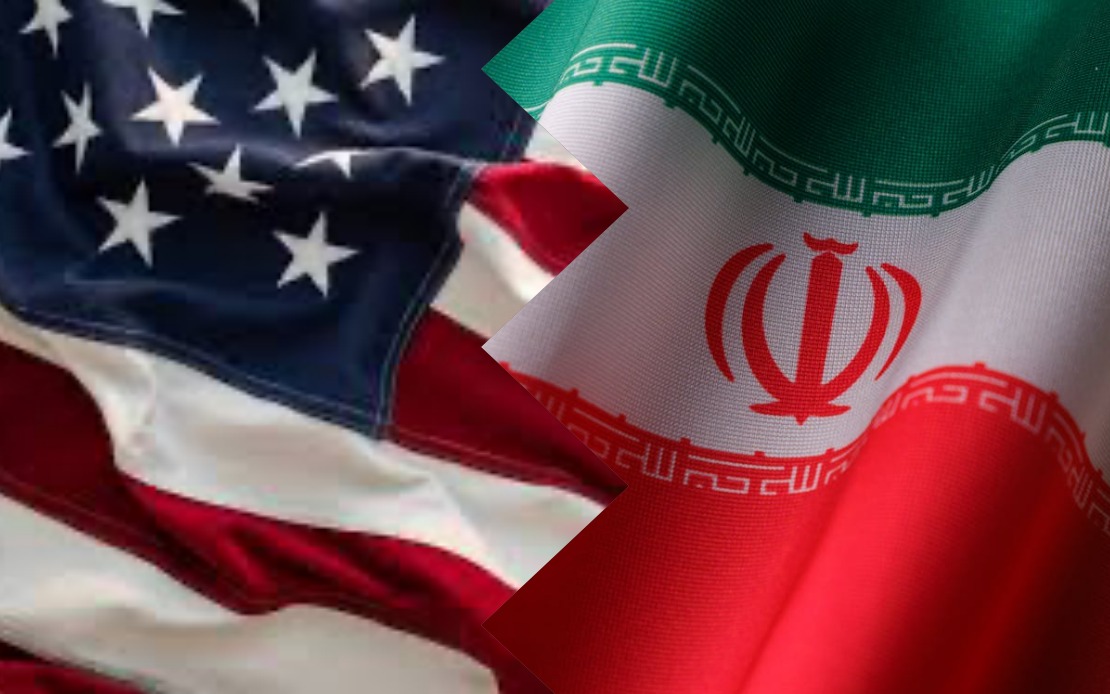
Qatar's leadership has made a fresh push for coordinated action among Gulf Cooperation Council states to translate the US-Iran memorandum of understanding into practical implementation, signalling the emirate's continuing commitment to regional peacemaking. Prime Minister and Foreign Minister Sheikh Mohammed bin Abdulrahman Al Thani conducted a series of diplomatic consultations with senior officials from the United Arab Emirates, Saudi Arabia, Kuwait, Oman and Bahrain on Monday, with each conversation touching on the urgent need for unified Gulf positioning on the agreement aimed at reducing military tensions between Washington and Tehran.
The diplomatic initiative emerged from Istanbul and reflected Qatar's traditional role as a regional mediator with channels to all major powers in the Middle East. Each bilateral discussion centred on how the Gulf states might work together to ensure the provisions of the US-Iran memorandum gain traction among the signatories and neighbouring actors with stakes in regional security. The Foreign Ministry's statement underscored that the talks went beyond the single issue of US-Iran relations, encompassing broader questions of multilateral cooperation, tension reduction and the collective strengthening of security arrangements that benefit all Gulf nations.
Al Thani's messaging during these calls prioritized a return to diplomatic processes and sustained dialogue between the United States and Iran as the pathway out of the cycle of military escalation that has characterized the Middle East over recent months. He pressed the importance of all parties adhering to the memorandum's stipulations, with particular emphasis on preserving freedom of passage through the Strait of Hormuz—one of the world's most strategically vital waterways through which roughly one-third of all seaborne traded petroleum flows. Ensuring unimpeded navigation remains critical for the economic security of Gulf states themselves, whose own exports depend on stable maritime conditions.
Qatar also reaffirmed its backing for broader international efforts aimed at defusing regional tensions and pursuing a comprehensive and durable peace settlement. This framing suggests that Qatar views the US-Iran memorandum not as an endpoint but as a building block toward longer-term stability arrangements that would address the deeper structural conflicts driving regional competition and military posturing. The emphasis on comprehensiveness indicates that Qatari diplomacy sees the need to address underlying grievances and security concerns that have fuelled decades of mistrust between Tehran and Washington.
The context for Qatar's coordinated outreach reflects the volatile trajectory of US-Iran relations over the past half-year. Escalation began in February when the United States and Israel conducted military operations against Iranian targets, prompting retaliation from Tehran in the form of direct strikes across the region that targeted multiple countries. The spiral of tit-for-tat attacks created severe risks of wider conflict, drawing in various regional actors and heightening anxieties about energy security and shipping safety throughout the Gulf and beyond.
A ceasefire agreement materialized in April, reducing immediate military hostilities between the two powers. That breakthrough paved the way for formal negotiations, culminating in June with a Pakistan-mediated memorandum of understanding signed by the United States and Iran. The accord was explicitly designed to terminate the military conflict and establish foundations for a comprehensive peace framework that would address both immediate security concerns and longer-term normalization of relations between the two adversaries.
However, the agreement's durability proved fragile. Within weeks, the understanding collapsed amid mutual accusations of violations and bad faith. The renewed breakdown triggered another cycle of direct military strikes between the US and Iran that persisted for nearly two weeks, underscoring how easily the dialogue track could derail and how persistent underlying distrust remains between the two capitals. The failure demonstrated that ceasefire agreements alone, without sustained multilateral pressure and regional buy-in, struggle to hold under strain.
Qatar's intervention at this juncture thus carries significance as an attempt to anchor the US-Iran understanding within a broader regional framework. By enlisting other Gulf states to coordinate around implementation and enforcement of the memorandum's provisions, Qatar aims to create diplomatic momentum and collective accountability that individual bilateral negotiations might lack. For Malaysia and other Southeast Asian nations with significant economic interests in Middle Eastern stability and Gulf shipping lanes, such regional coordination attempts matter considerably, as they affect energy prices, insurance costs and the security environment for regional trade.
The diplomatic moves also reflect Qatar's particular position within Gulf politics. Despite having experienced a blockade by some neighbouring states in the past, Doha maintains relationships across the bloc and has cultivated ties with Iran alongside its GCC membership. This positioning gives Qatar comparative advantage in brokering conversations that might prove difficult for other Gulf capitals to initiate directly, allowing Doha to serve as a neutral convener focused on shared interests in regional stability rather than competitive positioning.
The outcome of Qatar's coordinated push remains uncertain. The fundamental disagreements between the United States and Iran on sanctions, nuclear issues and regional proxy conflicts have not been resolved by the memorandum, and competing strategic interests among Gulf states themselves create obstacles to unified positioning. Some Gulf capitals may prioritize their own bilateral relationships with either Washington or Tehran over collective GCC approaches. Nevertheless, Qatar's effort underscores recognition among leading Gulf voices that further military escalation serves no state's interests and that sustained diplomatic engagement, backed by regional consensus, offers the most viable path toward durable peace arrangements in one of the world's most economically and geopolitically significant regions.

