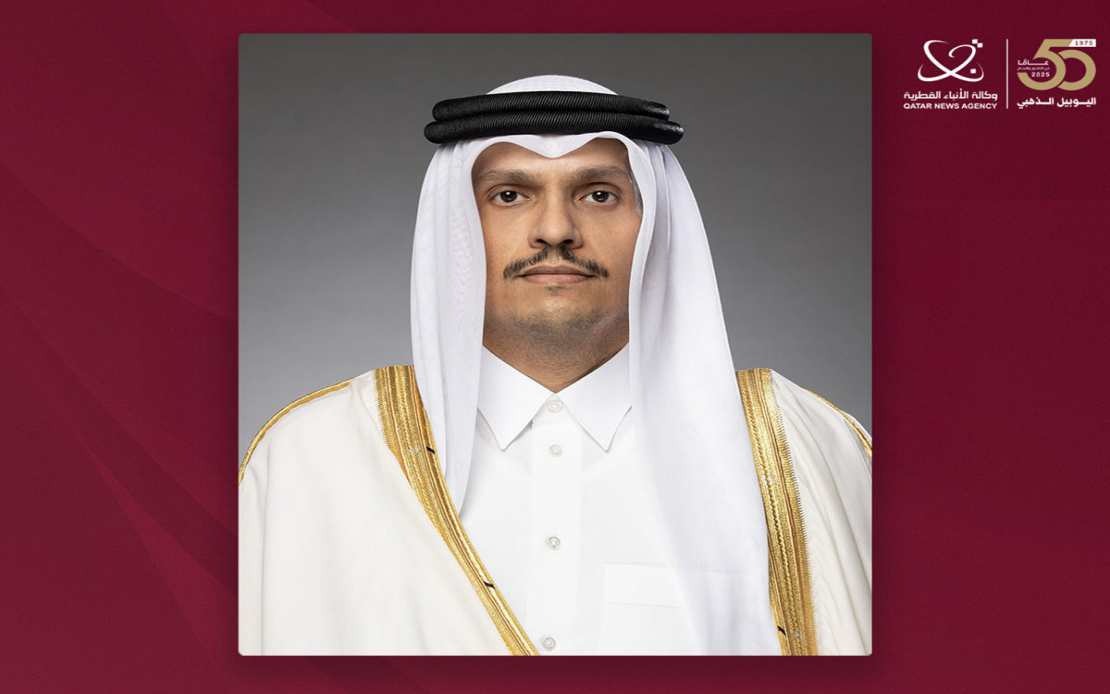
Qatar's top diplomat is embarking on a significant diplomatic mission to Tehran, signalling renewed efforts to ease escalating tensions between the United States and Iran. Prime Minister and Foreign Minister Sheikh Mohammed bin Abdulrahman bin Jassim Al Thani will arrive in the Iranian capital on Thursday to engage Iranian leadership on mechanisms for de-escalation and creating pathways for meaningful dialogue between the regional and global powers.
The visit carries considerable diplomatic weight, representing the first time the Qatari premier has travelled to Iran since tensions dramatically intensified in late February when coordinated US and Israeli military operations struck Iranian targets. According to Qatar's Foreign Ministry spokesman Majed Al Ansari, the discussions will encompass multiple dimensions of regional stability, with particular emphasis on restoring stability and navigation rights in one of the world's most economically critical maritime passages.
Central to these talks will be the restoration of freedom of navigation through the Strait of Hormuz, a chokepoint through which roughly one-third of global seaborne oil passes. The Qatari delegation aims to negotiate a return to the maritime status quo that prevailed before February 28, before the current cycle of escalation began. This objective underscores how the tensions between Washington and Tehran carry tangible consequences for global energy markets and the broader international economy, with particular implications for Southeast Asia's energy-dependent economies.
The diplomatic endeavour builds on a framework established just three months earlier, when the United States and Iran, supported by mediation efforts from Pakistan and Qatar, formally signed a memorandum of understanding in June. However, the agreement's practical implementation has stalled amid disagreements specifically concerning navigation protocols and security arrangements in the Strait of Hormuz. Qatar's latest intervention suggests international mediators remain committed to salvaging this agreement despite the recent military escalations.
The fragile peace arrangement has deteriorated considerably since June. Last month, the United States resumed targeted military operations against Iranian positions, following which Tehran responded with direct strikes against American military installations located throughout Arab states that maintain close security partnerships with Washington. This cycle of escalation has created a volatile security environment that threatens regional stability and has implications for global supply chains and international relations throughout Asia-Pacific.
Qatar's role as diplomatic intermediary reflects its unique positioning within the Middle East. The country maintains functional relationships with both Western powers and Iran, a balancing act that has enabled it to serve as an honest broker in previous negotiations. This neutrality, combined with its significant economic resources and influence, has positioned Doha as an essential actor in facilitating communication between antagonistic parties who might otherwise lack diplomatic channels.
For Malaysian policymakers and regional observers, the outcome of these talks holds strategic importance beyond the immediate US-Iran dynamic. Instability in the Gulf directly impacts Southeast Asian energy security and trade flows through critical maritime routes. Malaysia's considerable maritime trade, energy imports, and shipping interests make developments in the Strait of Hormuz directly relevant to national economic interests. Regional peace also affects investor confidence and the stability of global supply chains upon which ASEAN economies depend.
The timing of Qatar's diplomatic overture suggests international consensus that the current trajectory is unsustainable and poses risks that all parties wish to constrain. Neither the United States nor Iran appears to want further military escalation, yet mutual mistrust and conflicting strategic objectives have prevented substantive progress. Qatar's intervention provides a neutral platform where officials can explore compromise positions without appearing to capitulate to adversaries.
The memorandum of understanding framework from June indicates that structured negotiation on these contentious issues is theoretically possible. The previous agreement proved that both sides can identify common ground, particularly around maritime safety and preventing accidental escalation. Building on this foundation, the current discussions could potentially establish specific protocols for navigation rights, communication mechanisms to prevent miscalculation, and phased approaches to confidence-building measures.
Successful de-escalation would benefit multiple stakeholders beyond the primary antagonists. ASEAN members that import Gulf oil and gas, participate in international shipping through these waters, and seek stable external environments for economic development all have vested interests in regional calm. Moreover, any diplomatic breakthrough would signal to global markets that the immediate crisis has eased, potentially stabilizing energy prices and reducing economic uncertainty.
However, significant obstacles remain. Structural mistrust between Washington and Tehran runs deep, and both nations face domestic political pressures that constrain negotiating flexibility. Iranian hardliners may resist what they perceive as excessive compromise, while American policymakers must balance diplomatic engagement with security concerns. Qatar's mediation efforts, while valuable, cannot force agreement between parties with genuinely incompatible objectives.
The visit also reflects broader patterns within Middle Eastern diplomacy, where traditional rivalries persist alongside pragmatic cooperation on specific issues. Qatar's willingness to invest diplomatic capital in facilitating these talks demonstrates the region's recognition that uncontrolled escalation serves no one's interests. Whether this mission succeeds in unlocking the stalled memorandum and establishing new de-escalation mechanisms remains uncertain, but the effort itself signals that diplomatic pathways, however narrow, remain open.

