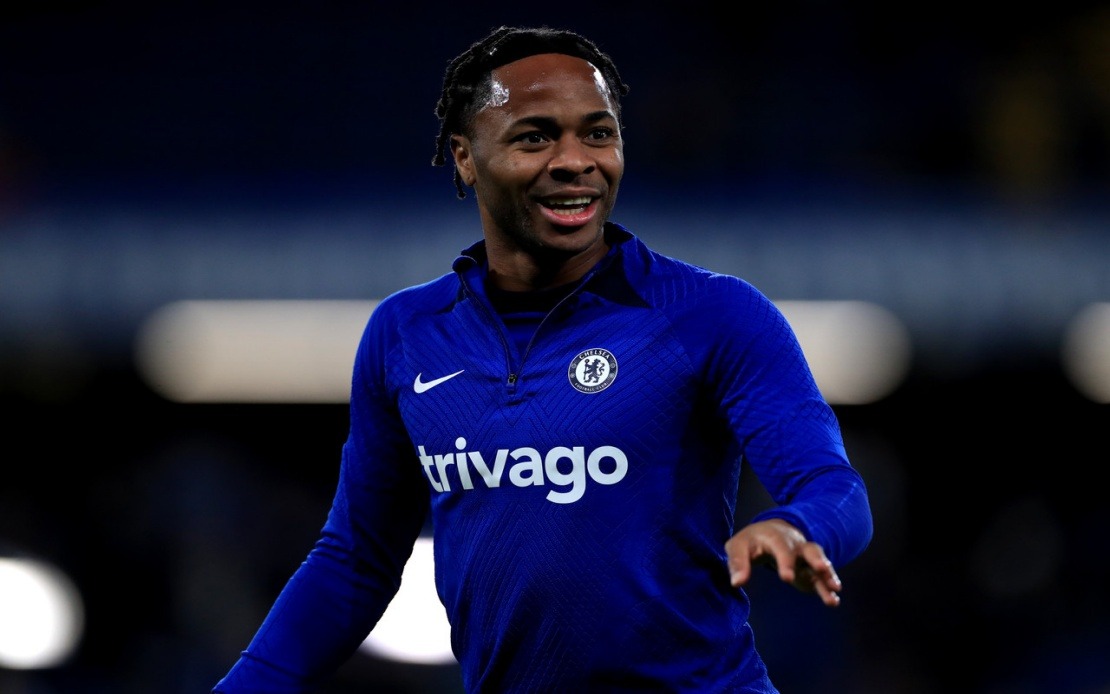
Raheem Sterling, the 31-year-old former England international, now faces serious criminal charges stemming from a May incident on one of Britain's busiest highways. Hampshire and Isle of Wight Constabulary has charged the footballer with dangerous driving, possession of nitrous oxide for inhalation purposes, and failing to provide a specimen following a collision involving a Lamborghini on the M3 southbound near Minley interchange on May 28. The single-vehicle crash caused no reported injuries and involved no other road users.
Sterling is scheduled to appear before Basingstoke Magistrates' Court on September 15 to answer the charges. The investigation and subsequent prosecution represent a significant development in the personal circumstances of a player who, until recent years, maintained a carefully cultivated public image as both a gifted athlete and social advocate. The charges carry potential implications not only for his legal standing but also for his professional future in elite football at a moment when his career trajectory has already shifted considerably from its peak.
The Berkshire-based player's football credentials remain substantial despite current circumstances. During his international career, Sterling earned 82 caps for England, scoring 20 goals while featuring prominently in two major tournament campaigns under Gareth Southgate's management. He was instrumental in England's run to the 2018 World Cup semifinals and started multiple matches during the Euro 2020 final, representing his country at the highest level during a golden generation for English football.
Sterling's club career has been particularly successful, though recent seasons have witnessed a decline in playing opportunities. He began his professional trajectory through Queens Park Rangers' academy system before establishing himself at Liverpool, where he made his senior debut and developed into a recognised talent. His 2015 move to Manchester City proved transformative, yielding four Premier League titles, five League Cup victories, and the FA Cup in 2019, establishing him as a cornerstone of Pep Guardiola's dominant domestic era.
The player's transfer to Chelsea in 2022 marked a turning point in his fortunes. Despite initial expectations of sustained prominence, Sterling gradually fell away from manager priorities at Stamford Bridge, prompting a loan arrangement with Arsenal for the 2024-25 season. Subsequently, he secured a short-term deal with Dutch Eredivisie club Feyenoord, representing a significant geographic and competitive shift from the stratospheric heights of Manchester City's trophy-winning campaigns.
Beyond his athletic achievements, Sterling cultivated considerable recognition for activism and social engagement. In the 2021 Queen's Birthday Honours, he received an MBE in recognition of his services to racial equality in sport. This honour reflected years of campaigning against racism and discrimination, through both public advocacy and on-field gestures. He positioned himself prominently during the period when England players took the knee before matches as an anti-racism protest, continuing to speak out against intolerance in professional football even as certain sections of supporters responded with booing.
The contrast between Sterling's publicly articulated values regarding equality and tolerance and the current charges represents a significant disconnect that observers will inevitably scrutinise. Possession of nitrous oxide, colloquially known as laughing gas, has become an increasingly prosecuted matter across British jurisdictions, with authorities treating non-medical inhalation as a criminal matter rather than merely a public health concern. The dangerous driving charge suggests investigating officers formed the view that Sterling's driving at the time posed genuine risk to public safety.
For Malaysian and Southeast Asian observers, the case presents several points of interest beyond the immediate sporting sphere. Firstly, it illustrates how even globally prominent athletes operating at the highest levels of professional sport remain subject to the same legal systems and criminal justice processes as ordinary citizens. Secondly, it demonstrates the increasing scrutiny of substance misuse in professional sports contexts, with implications for how elite athletes manage their behaviour away from official competitions and training.
The timing of these developments also reflects broader contemporary challenges facing professional football's governance structures. While governing bodies in Europe have instituted anti-doping protocols primarily focused on performance-enhancing substances, questions surrounding behavioural standards, off-field conduct, and substance abuse have become increasingly prominent in public discourse around elite athletes. The distinction between medical and recreational drug use, though clear in law, presents ongoing challenges for how professional bodies support players whilst maintaining appropriate standards.
Sterling's case will likely influence discussions within English football regarding pastoral support systems for players navigating transitions, career setbacks, and personal challenges. The period spanning his exit from Manchester City through subsequent loans and shorter-term arrangements spans approximately two years, a duration potentially associated with uncertainty and adjustment. While such circumstances do not excuse any alleged misconduct, they provide relevant context for understanding how professional athletes experience career disruption.
The September 15 court appearance will determine next steps, including whether matters proceed to crown court or whether magistrates' court jurisdiction proves sufficient. Regardless of legal outcomes, the incident has already significantly impacted Sterling's public standing and career momentum. His rehabilitation, should legal processes conclude favourably, will require addressing not merely the legal dimensions but also the broader questions surrounding personal conduct standards that public figures, particularly those with established advocacy platforms, are expected to maintain.
For football globally, including in Southeast Asian contexts where English football commands substantial followings, the case reinforces that professional achievement, social advocacy, and personal accountability remain distinct categories. Sterling's considerable contributions to combating racism in football do not render him exempt from legal accountability regarding separate matters of alleged criminality. The resolution of these charges will likely shape narrative frameworks surrounding the player's legacy within professional football.

