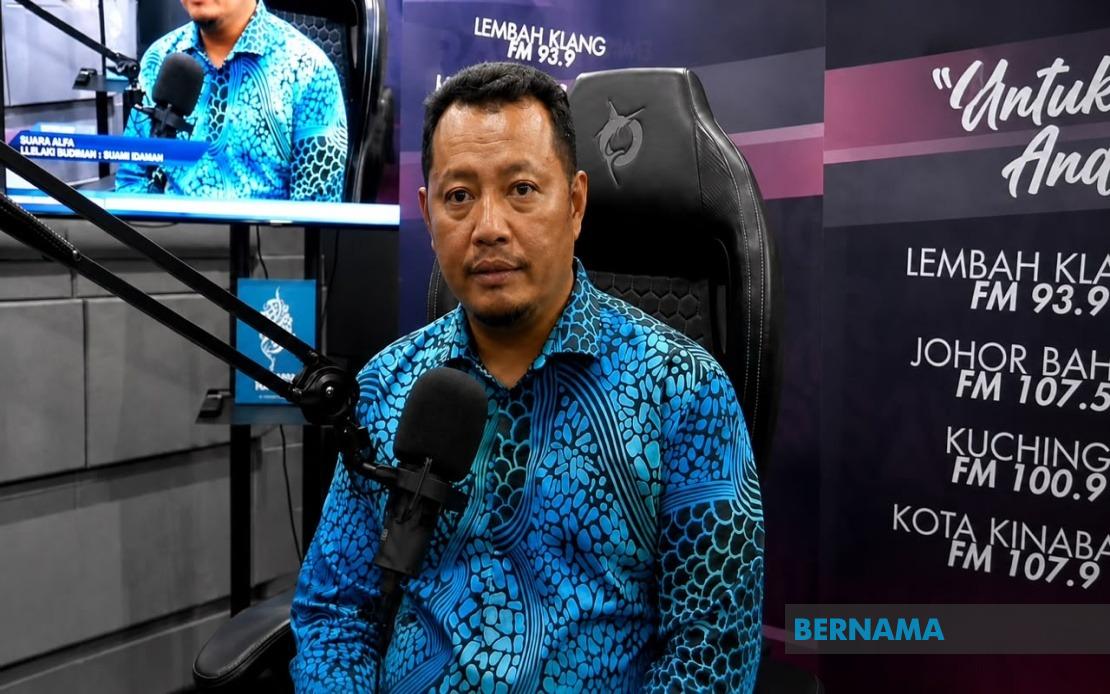
Developing virtuous and responsible men is fundamentally a matter of deliberate upbringing during the crucial stages of childhood and adolescence, according to the National Population and Family Development Board. The characteristics associated with a true gentleman—sincerity, accountability, and genuine consideration for others—do not emerge spontaneously in adulthood but must be intentionally fostered during a person's most formative years. Speaking on a Bernama Radio programme titled "Lelaki Budiman: Suami Idaman," Md Noh Saiman, chief assistant director of LPPKN's Counselling and Intervention Unit, highlighted that the trajectory of male development depends overwhelmingly on the parenting methods employed and the behavioural blueprints parents demonstrate consistently as their children mature.
The psychology underpinning this view is straightforward yet profound: children absorb and internalise the conduct they witness daily from those closest to them. What boys observe their fathers and male role models doing—how they treat spouses, manage frustration, contribute to household responsibilities, and navigate interpersonal conflicts—becomes the template they use to construct their own identity and social behaviour. This internationalisation happens largely beneath conscious awareness, making the consistency of parental example perhaps the most powerful pedagogical tool available. Md Noh emphasised that this foundational process cannot be outsourced or delegated; it requires the active, deliberate engagement of parents themselves.
Critically, the concept of a gentleman extends far beyond superficial courtesy or romantic gestures. The Malaysian expert clarified that true gentlemanly behaviour encompasses a constellation of deeper qualities: genuine integrity, moral honesty, and a readiness to shoulder responsibilities not for accolades or recognition but as a matter of principle and duty. This reframing is significant for Malaysian society, where cultural narratives sometimes conflate gentlemanly conduct with performative chivalry or charm. Instead, Md Noh articulated a more substantive vision in which a gentleman proves his worth through consistent, unglamorous contributions to family stability and wellbeing.
One practical manifestation of this evolved understanding lies in how husbands and partners approach domestic labour and childcare. Rather than viewing household management and child-rearing as traditionally female domains in which men might occasionally "help," Md Noh advocated for genuine partnership and shared responsibility. When spouses actively support one another across all dimensions of family life—from household administration to emotional caregiving—the benefits cascade beyond the couple themselves. This collaborative model empowers women to pursue professional ambitions and personal development with greater confidence, knowing they have substantive backing at home rather than shouldering the dual burden of career and household management alone.
The LPPKN's Lelaki Idaman Programme operates with an understanding that masculinity is not a fixed trait but a developmental achievement. The initiative functions not merely as a awards ceremony celebrating men who already embody admirable qualities, but as a genuine intervention platform designed to accommodate men at various stages of personal growth. Whether someone already demonstrates responsible behaviour or seeks to undertake meaningful self-transformation, the programme provides a framework and motivation for progression. This inclusive approach recognises that societal progress depends on engaging men across the spectrum, including those genuinely motivated to evolve their understanding of what mature manhood entails.
Maturity in this context includes emotional sophistication—specifically, the capacity to receive critical feedback without defensiveness or ego-attachment. Md Noh articulated that a genuinely mature man discerns the validity of constructive criticism regardless of its source and treats such input as an opportunity for self-improvement rather than a personal attack. This psychological flexibility represents a departure from traditionally rigid models of masculinity that equate receptiveness with weakness. Instead, the Malaysian vision positions emotional intelligence and openness to growth as hallmarks of genuine masculine strength.
The contemporary digital landscape has fundamentally altered how masculine identity is constructed and perceived, introducing both opportunities and hazards. Social media platforms and digital networks now function as primary channels through which young people—both male and female—encounter and internalise messages about gender roles and relationship dynamics. These platforms disseminate diverse, sometimes contradictory models of ideal manhood, ranging from hyper-aggressive alpha archetypes to sensitive modern partners. The proliferation of competing narratives means that parental guidance now competes with relentless digital input, making the task of shaping responsible manhood simultaneously more challenging and more urgent.
For Malaysian and Southeast Asian societies, the implications of this conversation extend beyond individual family dynamics to broader social stability and institutional strength. The qualities that make men responsible partners—emotional regulation, shared decision-making, willingness to contribute equitably at home—directly correlate with family cohesion and resilience. When large populations of men internalise and practice such values, the effects compound across communities: families become more stable, children develop healthier models of relationships, and women's economic and social participation increases, benefiting entire economies. Conversely, societies where males receive inadequate guidance toward responsibility face elevated rates of family breakdown, gender-based conflict, and social fragmentation.
The LPPKN's emphasis on parenting as the foundational intervention reflects recognition that large-scale social transformation begins not with policy mandates alone but with the millions of daily interactions occurring within households. Governments and institutions can set frameworks and provide support, but the actual work of raising responsible men occurs in the intimate context of families where values are transmitted through example and experience. This places tremendous responsibility on parents themselves, particularly fathers and male family members whose modelling may prove most influential for boys navigating identity formation. The message implicitly acknowledges both the power and the weight of parental influence across generations.

