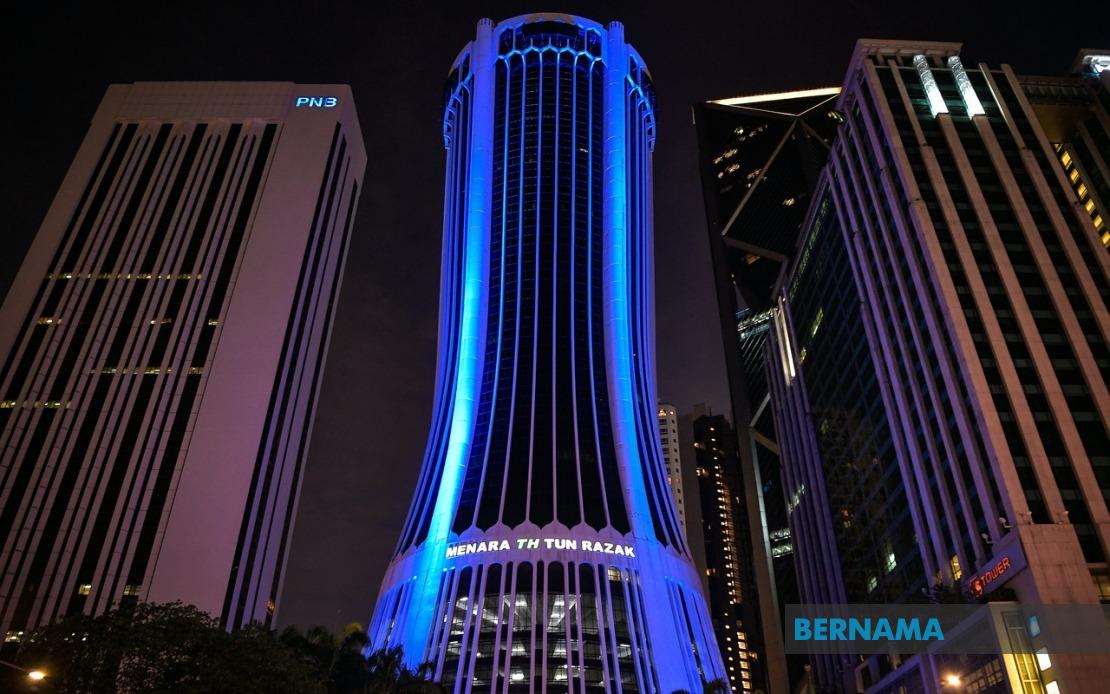
A Royal Commission of Inquiry investigating Lembaga Tabung Haji's management has identified 14 past investment decisions that inflicted considerable damage on the Islamic pilgrimage fund, recommending comprehensive forensic audits to establish accountability. The RCI, which examined TH's operations spanning 2014 to 2020, released its findings in a report presented to Yang di-Pertuan Agong Al-Sultan Abdullah Ri'ayatuddin Al-Mustafa Billah Shah on August 30, 2022, with chairman Tun Md Raus Sharif leading the commission members.
The 14 investments requiring forensic investigation form a diverse portfolio encompassing plantation ventures, property developments, hospitality projects, and shipping concerns. PT TH Indo Plantations, Emrail Sdn Bhd, Wellspring Worldwide Ltd, Deru Semangat Sdn Bhd, Trurich Resources Sdn Bhd, Abraj Sdn Bhd, Putrajaya Perdana Bhd, Al-Rawda Real Estates Development & Project Management Co Ltd, Alfareeda Residential Fund, TH Plantations Bhd, TH Properties Sdn Bhd, Alam Maritim Resources, TH Hotel & Residences Sdn Bhd, and FGV Bhd comprise the slate of entities under scrutiny. This breadth suggests a fundamental problem with investment strategy rather than isolated mistakes, raising questions about governance oversight during the period examined.
Beyond recommending audits, the RCI urged authorities to pursue rigorous action on every police report and complaint alleging misconduct at Tabung Haji. The commission emphasised that disciplinary mechanisms for staff misconduct must be reformed substantially, with suspension periods and investigation timelines compressed to ensure fairness, transparency, and genuine deterrence. These procedural weaknesses had apparently allowed questionable decisions to proceed without adequate personnel accountability, a structural vulnerability requiring immediate remediation.
The report stressed that TH's investment operations must operate with genuine independence and professional standards, yet acknowledged tension inherent in managing both pilgrimage services and investment portfolios within one institution. The RCI proposed establishing a dedicated investment arm termed 'Dana Haji', functioning as an internal department answerable to the Securities Commission Malaysia rather than operating as a discretionary strategic investment arm. This architectural restructuring would introduce external regulatory oversight, reducing scope for imprudent high-risk ventures disguised as strategic initiatives. Such compartmentalisation represents a significant governance shift, separating pilgrimage fund management from speculative investment activities that have historically endangered depositors' savings.
The commission counselled against TH pursuing high-risk strategic investments, a recommendation reflecting learned lessons from the period under investigation. Tabung Haji depositors entrust savings earmarked for sacred religious obligations, making speculative ventures fundamentally misaligned with the institution's fiduciary duty. The RCI's position suggests Tabung Haji should concentrate exclusively on reliable fund stewardship rather than entrepreneurial ventures, regardless of potential returns.
A particularly troubling element of the report concerns Urusharta Jamaah Sdn Bhd, the special purpose vehicle to which TH transferred assets in 2009. Those assets were valued at RM19.9 billion when transferred despite carrying a market value of only RM9.7 billion, creating a premium of RM10.2 billion above fair value. In exchange, UJSB issued sukuk instruments worth RM19.6 billion across two series plus RM300 million in cash, essentially securitising overvalued assets. This arrangement fundamentally altered TH's financial structure, making the institution dependent on UJSB's sukuk payments for viability.
The UJSB sukuk arrangement now represents an existential risk to Tabung Haji's financial stability. Income derived from UJSB's sukuk obligations comprises nearly 26 percent of TH's annual income and exceeds one-third of profits distributed annually to depositors. Any failure or material delay in UJSB meeting its sukuk commitments would immediately threaten TH's ability to meet depositor obligations and distribute annual profits. The RCI characterised this concentration of dependency as creating Malaysia's broadest financial sector vulnerability, potentially triggering cascading systemic instability if UJSB encounters serious difficulty.
Recognising this peril, the RCI recommended that UJSB undertake early redemption of its sukuk instruments, thereby reducing long-term exposure to the problematic asset-backed securitisation structure. The commission noted that UJSB had initiated discussions with Malaysia's Ministry of Finance regarding government guarantees and was negotiating terms for new Government Guaranteed Sukuk with Tabung Haji. The RCI called on government to allocate the previously agreed annual provision of RM1.73 billion specifically toward accelerating sukuk redemption.
The investment disputes still pending in courts and arbitration proceedings require careful management to minimise protracted legal costs and uncertainty. The RCI advocated for enhanced out-of-court settlement mechanisms enabling faster dispute resolution, provided such settlements protect TH's legitimate interests. Litigation expenses and prolonged uncertainties erode asset values further and distract management from core operations.
For Malaysian policymakers and depositors, this RCI report underscores how concentrated investment risks within pilgrimage funds can threaten broader financial stability. The overvaluation of assets transferred to UJSB, the heavy weighting toward a single income stream, and the historical absence of adequate governance oversight created a perfect storm enabling institutional damage. The recommendations for forensic audits, governance restructuring, Securities Commission oversight, and accelerated sukuk redemption represent necessary corrective measures, yet they acknowledge years of deterioration that affected millions of Malaysian pilgrims' life savings.
The international dimension warrants consideration as well. Regional Islamic finance institutions examining this case will draw sobering lessons about governance risks in faith-based financial services. ASEAN nations managing Islamic pilgrimage funds or similar religiously-anchored financial structures may reconsider their own oversight architectures and diversification policies in light of Tabung Haji's experience. Malaysia's transparency in committing to forensic audits and governance reforms positions the country as serious about accountability, though implementation of all RCI recommendations remains crucial to restoring institutional credibility.

