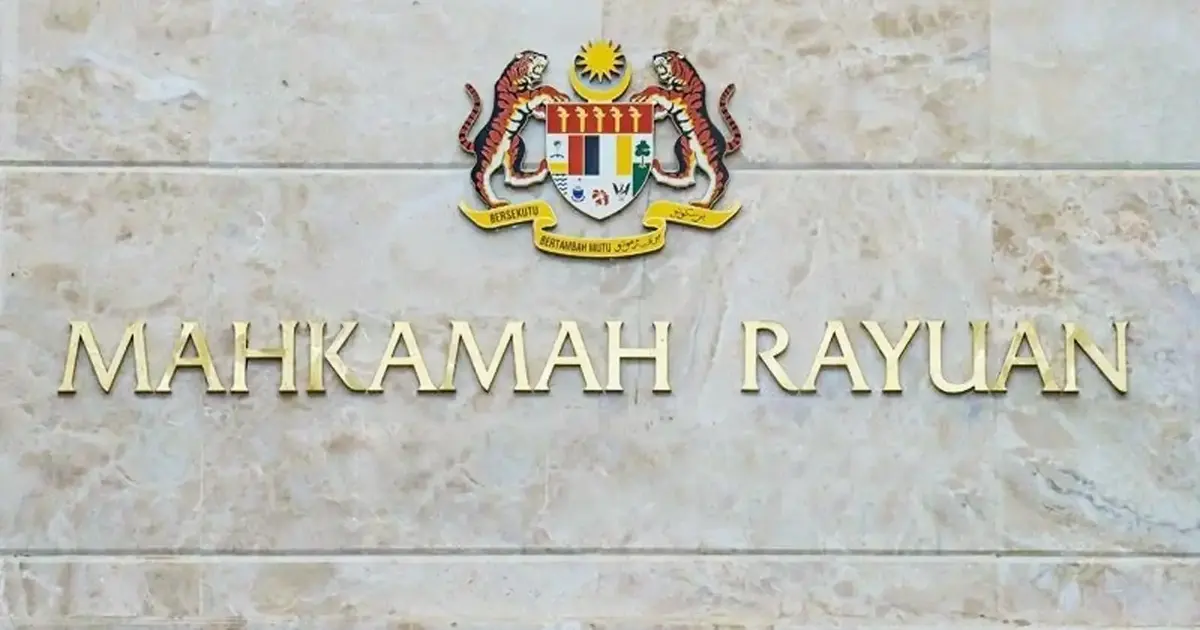
Malaysia's Court of Appeal has delivered a significant legal judgment that fundamentally restricts the defamation rights of registered societies operating within the country. The court dismissed an appeal filed by Pertubuhan Ikram Malaysia, establishing a binding precedent that such organisations lack the requisite legal personality to pursue defamation actions against those who make damaging statements about them.
The ruling addresses a critical gap in Malaysian jurisprudence regarding the legal status and remedies available to registered societies. Under the Societies Act 1966, registered societies occupy an ambiguous position in law—they are recognized entities capable of holding property and entering contracts, yet the Court of Appeal has now clarified that this recognition does not extend to conferring upon them the capacity to sue for defamation. This distinction between commercial capacity and legal personality carries profound implications for how these organisations can protect themselves against reputational harm.
The court's reasoning centred on the fundamental principle that defamation law protects individual and corporate reputation. A company incorporated under the Companies Act possesses full legal personality, enabling it to maintain its own dignity and commercial interests through legal action. Registered societies, by contrast, exist under a different statutory framework that does not grant them equivalent legal standing. The judgment suggests that the legislature's intention in crafting the Societies Act was to create a distinct category of organisation without extending to it all the protective mechanisms available to fully incorporated entities.
Pertubuhan Ikram Malaysia's appeal represented an attempt to establish broader defamation protections for registered societies, arguing that reputational harm to an organisation affects its members and operations regardless of its legal classification. The organisation contended that denying such societies access to defamation remedies creates an inequitable situation where coordinated malicious statements could damage their standing without legal recourse. This argument resonated with questions about fairness in the legal system, yet the appellate bench determined that legislative amendment rather than judicial reinterpretation would be the appropriate vehicle for expanding such protections.
The implications for Malaysian civil society organisations are substantial. Thousands of registered societies operate across the country in sectors ranging from professional associations to community groups and religious organisations. Many of these bodies do significant work that depends on public trust and reputation. The court's decision means these organisations now must seek alternative legal remedies if they suffer defamatory statements. While individual officers and members might pursue personal defamation claims, the organisation itself cannot act as a collective entity to protect its institutional reputation.
This ruling aligns Malaysia with certain common law jurisdictions where the distinction between legal personality and statutory capacity remains legally significant. However, it contrasts with some neighbouring countries and modern legislative trends that have extended broader protections to not-for-profit organisations. The decision reflects a conservative interpretation of the Societies Act, emphasising that new legal rights for registered societies should flow from legislative amendment rather than creative judicial interpretation of existing provisions.
Practical consequences for registered societies include increased vulnerability to coordinated misinformation campaigns and reputational attacks. An organisation may suffer genuine commercial or operational damage from false statements, yet lack standing to pursue judicial remedies. This vulnerability might incentivise registered societies to seek incorporation under the Companies Act if they possess the resources and meets the legal requirements, transforming themselves into companies with full legal personality. For smaller community organisations, however, such transformation may be impractical or unnecessary given their limited commercial operations.
The ruling also highlights a broader issue within Malaysian law regarding the treatment of intermediate organisations between individuals and corporations. Civil society organisations play increasingly important roles in advocating for public interests, delivering social services, and representing community concerns. The legal framework governing their rights and remedies has not evolved commensurately with their social significance. This judgment exposes gaps that legislators may eventually address through amendments to the Societies Act or creation of new statutory frameworks for civil society organisations.
Defamation law itself remains an area of active development in Malaysia, with courts balancing free expression against reputational protection. By restricting defamation remedies to entities with full legal personality, the Court of Appeal has implicitly prioritised free speech concerns while potentially disadvantaging organisations that depend on public reputation for their effectiveness. This represents a policy choice that reasonable people might contest, particularly given the legitimate interests of civil society organisations in maintaining accurate public perception.
Registered societies may now explore alternative legal strategies when facing defamatory statements. Directors or officers might pursue personal defamation claims if statements specifically reference them. Organisations could seek civil remedies under other causes of action if statements cause quantifiable economic loss. Some societies might request that platform providers remove false statements under terms-of-service provisions. These alternatives, however, are generally more cumbersome and less directly protective than institutional defamation claims would be.
The decision ultimately rests on the Court of Appeal's interpretation of the Societies Act as conferring limited legal personality on registered organisations. Until the legislature chooses to amend this statute or until another appellate decision revisits the question, registered societies in Malaysia will remain unable to pursue defamation actions. This judgment establishes clear legal precedent that will guide how courts handle similar cases involving other registered societies seeking defamation remedies going forward.