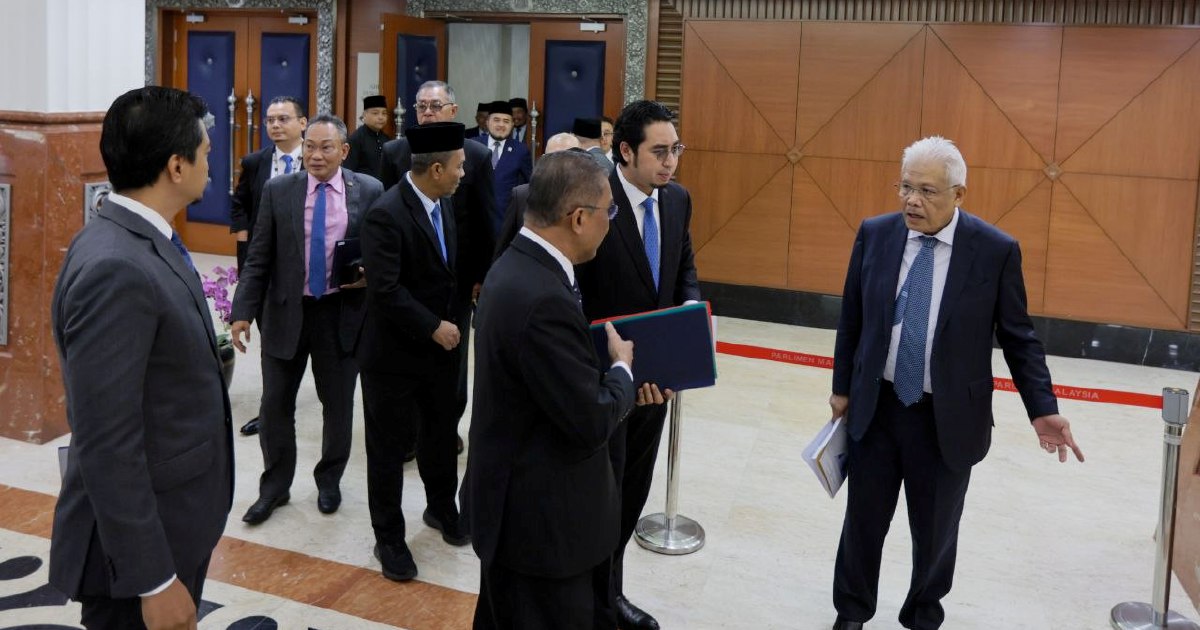
Religious Affairs Minister Dr Zulkifli Hasan has made an appeal to opposition members of Parliament to rejoin proceedings in the Dewan Rakyat, calling for their participation in a parliamentary debate centred on the findings of the Royal Commission of Inquiry into Tabung Haji. The invitation represents an attempt to build broader consensus around addressing the issues identified in the comprehensive investigation into Malaysia's pilgrimage fund, which has faced significant operational and financial challenges in recent years.
The call underscores the significance the government places on legislative scrutiny of the RCI's conclusions regarding Tabung Haji, the institution responsible for facilitating and managing Malaysian citizens' religious pilgrimages to Mecca. As a matter of substantial national concern touching on both religious affairs and financial stewardship, the matter warrants input from Parliament's full complement of elected representatives across party lines. The minister's public appeal suggests the government recognises that robust debate inclusive of opposition voices would strengthen the legitimacy and comprehensiveness of parliamentary consideration.
Tabung Haji has experienced notable difficulties that prompted the formal inquiry. The pilgrimage fund, which collects savings from prospective hajis and provides financing support for their journey, encountered operational complications and financial management issues that eventually necessitated governmental intervention and investigation. The Royal Commission's examination would have delved into systemic weaknesses, governance lapses, and financial irregularities that affected the institution's performance and stakeholder confidence.
For Malaysian readers familiar with religious institutions' role in public life, Tabung Haji holds particular significance. As the primary vehicle through which ordinary Malaysian Muslims finance their hajj obligations, the fund affects hundreds of thousands of families. The health of this institution carries both practical and symbolic weight within Malaysian society, making parliamentary oversight of remedial measures essential to public trust and institutional reform.
The RCI process itself represents a methodical governmental response to longstanding concerns. Such commissions function as comprehensive fact-finding exercises, assembling detailed evidence and recommendations intended to inform policy corrections. The findings from a Tabung Haji inquiry would typically address governance structures, financial controls, internal accountability mechanisms, and reforms necessary to prevent recurrence of identified problems.
The minister's explicit invitation to opposition lawmakers reflects parliamentary convention recognising that matters of institutional reform and financial accountability transcend partisan divides. In Westminster-influenced systems like Malaysia's, legislators from both government and opposition benches typically engage in policy scrutiny affecting citizens broadly. Opposition participation would provide alternative perspectives on implementation strategies, potential unintended consequences, and monitoring mechanisms for recommended reforms.
Parliamentary absences by opposition members have periodically featured in Malaysian legislative politics, sometimes as protest measures against government policies or procedural matters. The minister's public call suggests such absence from these particular proceedings was occurring, prompting the invitation for opposition MPs to reconsider their stance and contribute substantively to Tabung Haji deliberations.
The debate's scope would likely encompass several dimensions. Governance recommendations for Tabung Haji's management structure, internal audit functions, and board composition probably featured prominently in the RCI report. Financial recovery mechanisms, potential restitution for affected investors, and enhanced regulatory oversight arrangements would constitute additional focus areas. Implementation timelines and accountability measures ensuring recommendations receive proper execution would merit parliamentary discussion.
For Southeast Asian observers monitoring Malaysian institutional reform, the Tabung Haji situation illustrates broader challenges confronting religious financial institutions across the region. Several neighbouring countries operate similar pilgrimage savings schemes facing comparable pressures from changing remittance patterns, investment performance volatility, and governance adaptation. Malaysia's formal inquiry and parliamentary response offer potential lessons for regional policymakers wrestling with similar institutional reform needs.
The effectiveness of parliamentary scrutiny ultimately depends on all elected legislators engaging thoughtfully with substance. Opposition participation, particularly when constructive, strengthens legislative deliberation by introducing diverse analytical frameworks and ensuring majority governments confront challenging questions about implementation feasibility and safeguards. The minister's invitation acknowledges that addressing Tabung Haji challenges more effectively requires this broader parliamentary engagement.
Stakeholder groups, including prospective hajis currently saving through Tabung Haji, pension fund managers, and religious community leaders, have vested interests in parliamentary outcomes. Their confidence in reformed institutional arrangements depends partly on visible legislative consensus around necessary changes, making cross-party debate demonstration valuable beyond immediate parliamentary purposes.
The specific details of the RCI's recommendations remain central to parliamentary consideration. Whether proposals address root causes comprehensively, whether implementation proves feasible within budgetary constraints, and whether accountability measures possess sufficient independence represent questions opposition scrutiny would naturally highlight. Government members, conversely, might emphasise institutional capacity and timeline realism, creating productive tension in deliberation.
Ultimately, Dr Zulkifli Hasan's call represents recognition that institutional rehabilitation demands sustained political commitment beyond any single party's agenda. Parliamentary consensus around Tabung Haji reform, evidenced through opposition participation in substantive debate, would signal Malaysian stakeholders that legislative bodies across party lines recognise the institution's importance and remain committed to implementing necessary corrections transparently and thoroughly.

