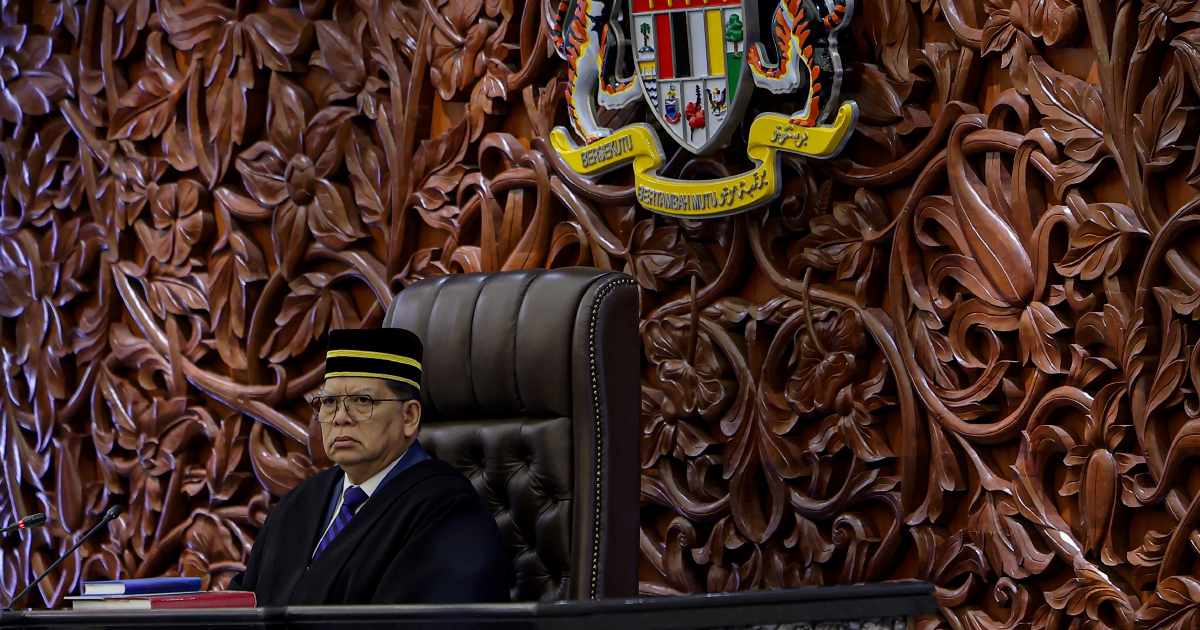
The Religious Affairs Ministry has scheduled a parliamentary presentation next week to unveil the results of the independent inquiry into Tabung Haji, with Minister in the Prime Minister's Department Dr Zulkifli Hasan slated to table the findings during a specially convened sitting of the Dewan Rakyat.
This parliamentary presentation represents a crucial juncture for Malaysia's largest Islamic financial institution, which has faced mounting scrutiny over its management and financial performance in recent years. The Royal Commission of Inquiry was established to conduct a comprehensive examination of Tabung Haji's operational governance, investment decisions, and administrative structures that have raised concerns among depositors and policymakers alike.
Tabung Haji, the Pilgrimage Fund Board, serves as a unique savings mechanism for Malaysian Muslims preparing for the hajj pilgrimage. The fund has accumulated billions of ringgit in deposits from millions of contributors over decades, making it one of the most significant Islamic financial vehicles in Southeast Asia. However, the institution's financial health deteriorated substantially, prompting calls for a thorough independent investigation into how resources were managed and invested.
The timing of this parliamentary disclosure carries political and social significance within Malaysia's religious and financial landscape. As the government seeks to restore public confidence in Islamic institutions, the presentation of these RCI findings will provide legislators and the broader public with detailed insights into any administrative failings or misconduct that may have occurred within Tabung Haji's leadership structures.
The inquiry's scope likely encompasses investment strategies that underperformed market expectations, allegations of improper fund utilization, governance lapses in the board's decision-making processes, and the adequacy of internal controls and audit mechanisms. Such investigations typically examine whether appointed officials exercised fiduciary duty appropriately and whether depositors' interests were adequately prioritized in institutional management.
For Malaysian pilgrims and their families, the RCI outcomes carry direct relevance to their savings and future pilgrimage plans. Millions of Malaysians have contributed to Tabung Haji for years, viewing it as a secure mechanism to accumulate funds for their religious obligation. Any revelations about institutional mismanagement would directly impact their financial security and confidence in the system.
The special parliamentary sitting format underscores the government's commitment to transparency and legislative oversight of Islamic financial institutions. By presenting findings directly to the legislature rather than through conventional administrative channels, the government signals its intention to subject Tabung Haji to rigorous public scrutiny and parliamentary accountability.
Regionally, Malaysia's handling of this situation may influence how other Southeast Asian countries approach governance of their own Islamic financial institutions. The hajj savings mechanism is replicated in various forms across the Muslim-majority region, and how Malaysia addresses institutional failures at Tabung Haji could set precedents for oversight and reform elsewhere.
The RCI's recommendations will likely influence future regulatory frameworks governing Islamic financial institutions in Malaysia. Potential reforms could include enhanced governance standards, stricter investment parameters, improved transparency requirements, and stronger whistleblower protections. Parliament's reception of these findings and subsequent legislative action will shape the institutional landscape for Islamic finance in the country.
Stakeholders within the Islamic finance sector are closely monitoring this development. Banking regulators, Islamic financial institutions, and civil society organizations focused on consumer protection have expressed keen interest in understanding what governance failures occurred and what systemic improvements will be implemented to prevent similar issues.
The parliamentary presentation also addresses broader concerns about accountability within government-linked institutions. Tabung Haji's situation exemplifies challenges that extend beyond individual institutions, raising questions about how Malaysia ensures proper governance across its network of statutory bodies managing public assets and depositor funds.
Dr Zulkifli Hasan's presentation will likely address the nature and extent of problems identified, the individuals or entities responsible for any misconduct, financial implications for depositors, and a comprehensive roadmap for institutional reform. Parliamentary members from both government and opposition benches are expected to scrutinize the findings closely and demand clarity on remedial measures.
Looking forward, the success of Tabung Haji's recovery will depend on implementing the RCI's recommendations effectively and restoring public trust through demonstrable improvements in governance, financial management, and institutional transparency. For Malaysian Muslims, Parliament's handling of these revelations will be closely watched as an indicator of government commitment to protecting Islamic institutions and safeguarding depositor interests.

