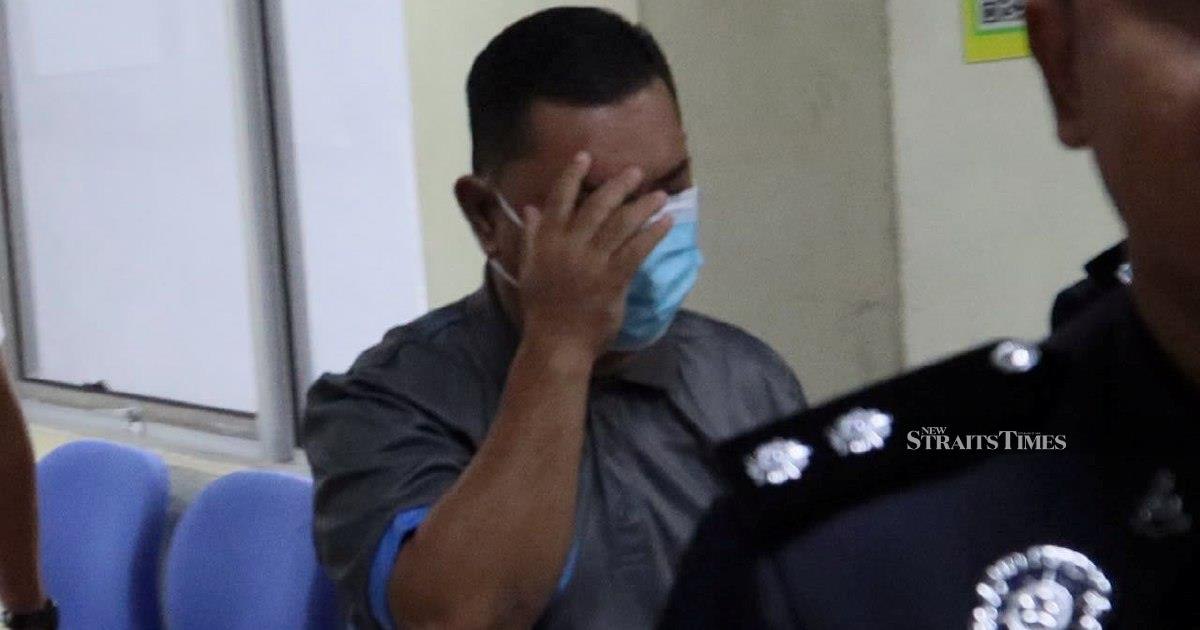
A teacher employed at a religious educational institution in Butterworth made an initial appearance at the Sessions Court today, where he faces eight criminal charges stemming from allegations of sexual assault and misconduct involving multiple male students. The gravity of the accusations underscores growing concerns about safeguarding protocols in faith-based schools across Malaysia, where trust placed by parents in religious educators has been fundamentally violated.
The multiple charges suggest a pattern of alleged misconduct rather than isolated incidents, a distinction that carries significant weight in cases involving abuse within institutional settings. Sexual assault allegations against educators present a particular challenge to the education system because they strike at the core relationship between students, teachers, and the institutions responsible for duty of care. The fact that the alleged victims are male students may also highlight a dimension of abuse prevention that historically receives less institutional attention than cases involving female students.
Religious schools in Malaysia occupy a distinctive position within the broader education landscape, serving families who specifically value faith-based instruction alongside academic learning. Many parents enroll their children in these institutions with the assumption that the spiritual environment creates additional layers of moral accountability and oversight. When allegations emerge of serious misconduct by staff members, they therefore carry heightened reputational impact and trigger wider questions about vetting procedures, supervision systems, and the adequacy of existing safeguarding measures.
The Sessions Court jurisdiction indicates these charges are serious offences that warrant trial proceedings at a higher level than magistrate courts would handle. The specific characterization of charges as both sexual assault and outraging modesty suggests the prosecution may be pursuing multiple legal theories to address different aspects of the alleged misconduct. This approach allows prosecutors to secure convictions even if evidence proves insufficient for some individual charges while remaining substantial for others.
Educational institutions, whether secular or religious, operate within a framework of responsibility toward their students that extends beyond curriculum delivery. Teachers occupy positions of authority and relative power over minors, making any abuse of that position particularly egregious. In Malaysia's context, where extended family and community networks often maintain strong oversight of institutions, allegations such as these can generate significant anxiety among parents and communities regarding the safety of their children.
The investigation leading to these charges presumably involved cooperation from school authorities, parents, and potentially the Royal Malaysia Police, suggesting that sufficient evidence accumulated to warrant court proceedings. Such investigations typically involve sensitive interviews with alleged victims who may be reluctant to come forward, particularly given their youth and the authority figures involved. The willingness of students and families to report such incidents remains crucial for protecting other vulnerable individuals.
Beyond the immediate legal proceedings, this case raises systemic questions for educational administrators nationwide. Religious schools may lack some of the institutional oversight mechanisms present in government-administered facilities, potentially creating gaps in safeguarding frameworks. The absence of robust reporting mechanisms, inadequate staff background screening, or insufficient training on recognizing and responding to abuse can all contribute to environments where misconduct persists.
Malaysia's commitment to child protection requires that institutions place safeguarding at the core of their operations, particularly in settings where children spend significant portions of their days. The establishment of clear reporting channels, confidential investigation procedures, and transparent accountability mechanisms would strengthen protection across the sector. Religious institutions have an additional moral obligation to demonstrate that their faith values translate into concrete protective policies.
The coming trial will provide an opportunity for the judicial system to examine evidence thoroughly and deliver justice appropriate to the facts established in court. Regardless of the outcome, the proceedings themselves serve a broader purpose in signaling that institutions cannot operate outside legal frameworks and that those entrusted with children's welfare face genuine accountability for their actions. For the alleged victims and their families, the legal process represents a path toward both justice and potential healing.
School authorities and the broader education sector will likely face scrutiny regarding their existing protocols and any gaps they may contain. Parent groups and child advocacy organizations may intensify calls for stronger legislation and consistent implementation of safeguarding standards across all educational settings. The attention generated by these proceedings could ultimately catalyze positive change in how Malaysian schools protect their most vulnerable charges.

