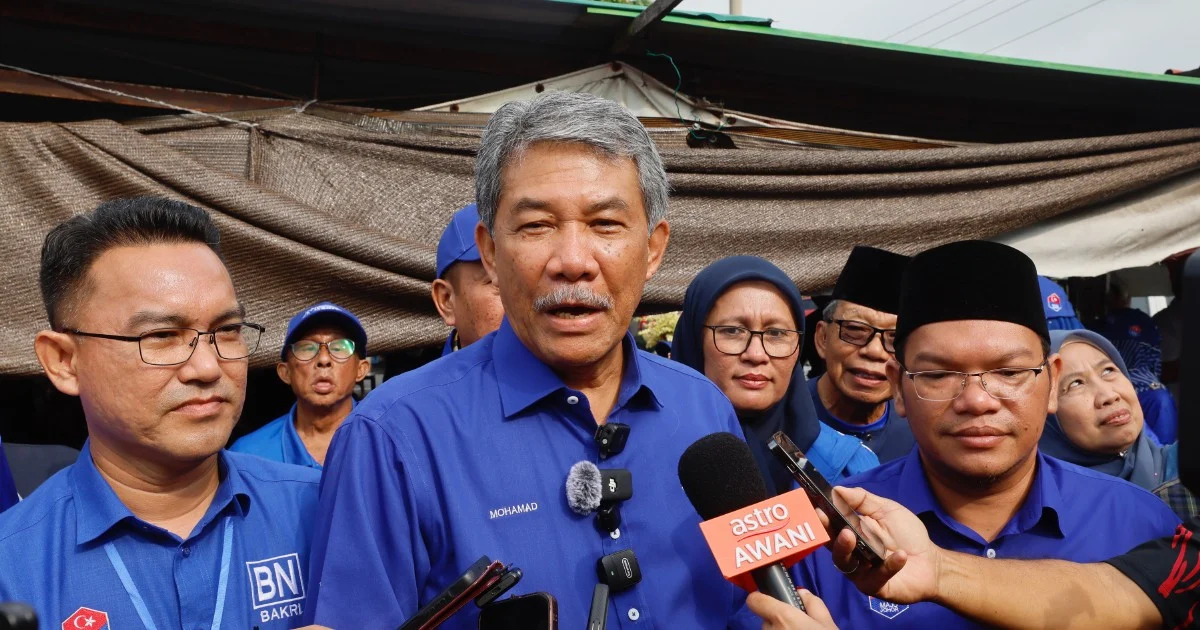
Tensions within Malaysia's government coalition have flared up again, with Barisan Nasional deputy chairman Datuk Seri Mohamad Hasan publicly challenging DAP leader Nga Kor Ming to step down if he remains unhappy with the administration's handling of the Johor state election. Speaking in Muar, Mohamad Hasan—popularly known as Tok Mat—issued a pointed rebuke that underscores the deepening fault lines between coalition partners as they navigate shared governance ahead of anticipated electoral contests.
The sharp exchange reflects broader strains within the ruling alliance that has governed Malaysia since the 2022 general election. The coalition, comprising Barisan Nasional, Pakatan Harapan (which includes DAP), and several other parties, has faced recurring disagreements over policy direction, internal appointments, and the perceived balance of power between member parties. The Johor election appears to have become a flashpoint for these simmering tensions, particularly given the state's political significance and economic importance to Malaysia.
Nga Kor Ming's earlier statements regarding the Johor poll have evidently touched a nerve within BN's upper echelons. Rather than engaging in diplomatic back-and-forth, Mohamad Hasan opted for a confrontational approach, suggesting that those dissatisfied with governing coalition decisions should exit rather than continue lodging complaints from within. This rhetorical strategy, while forceful, also signals frustration with what BN perceives as persistent criticism from allied partners who continue to benefit from the power-sharing arrangement.
The Johor election holds particular weight in Malaysian politics for several reasons. The state has historically been a BN stronghold and remains crucial to the coalition's electoral calculations. Any perceived mismanagement or controversial handling of the contest could undermine confidence among both party members and voters in the coalition's competence. Furthermore, Johor's economy contributes significantly to the nation's overall performance, making governance decisions in the state a matter of national concern.
Understanding Mohamad Hasan's background and position helps contextualise his forceful intervention. As deputy chairman of Barisan Nasional, he serves as a senior figure within the broader coalition apparatus while also maintaining his standing within the United Malays National Organisation (UMNO), BN's largest component party. His willingness to publicly challenge a partner party reflects confidence in his position and possibly signals approval from UMNO's leadership to take a harder line in coalition management.
The DAP's position within the coalition remains delicate, particularly given the party's growing political relevance and electoral performance. As the coalition's non-Malay, non-Muslim member, DAP operates within constraints that other partners do not face, yet simultaneously possesses substantial representation in parliament and state assemblies. This paradox creates friction—the party wields significant influence but often finds that key decisions affecting its constituencies are made by others. Nga Kor Ming's remarks likely stemmed from frustration with this dynamic rather than fundamental disagreement over governance principles.
For Malaysian and Southeast Asian observers, this spat illuminates the challenges of maintaining multi-party coalitions in competitive electoral systems. The compromise required to hold such alliances together sits uncomfortably with each party's desire to project strength and independence to its own voter base. DAP members expect their leaders to advocate forcefully for party interests, while BN components expect deference from partners. These competing expectations create pressure points that occasionally erupt into public disagreements.
The timing of this exchange also matters. Malaysia has witnessed several significant electoral contests in recent years, and more lie ahead. Both major coalitions are positioning themselves strategically, and any perception that the ruling alliance lacks cohesion could influence voter sentiment. Conversely, opposition Perikatan Nasional and other challengers may attempt to exploit such tensions, suggesting that the current government lacks the unity necessary to govern effectively.
Moderate observers within both the ruling coalition and the broader political establishment hope such disagreements remain controlled and do not escalate into deeper ruptures. The coalition achieved its purpose in stabilising Malaysian politics following the volatile period of 2020-2022, but its effectiveness depends on maintaining a working consensus among member parties. Public challenges and dramatic calls for resignation, while politically potent for domestic audiences, risk undermining the underlying accommodation that permits the alliance to function.
Moving forward, it remains to be seen whether Mohamad Hasan's confrontational approach will deter Nga Kor Ming and other DAP leaders from voicing future criticisms, or whether it will instead harden positions and deepen resentment. Coalition politics in Malaysia requires careful negotiation and sufficient bandwidth to accommodate genuine disagreements while maintaining public solidarity. Heavy-handed demands for resignation may prove counterproductive if they convince smaller or weaker partners that they lack genuine voice within the alliance.
The Johor election episode serves as a reminder that governing coalitions, however pragmatic or necessary, remain inherently unstable arrangements where mutual interests and competing ambitions constantly test the bonds holding partners together.

